
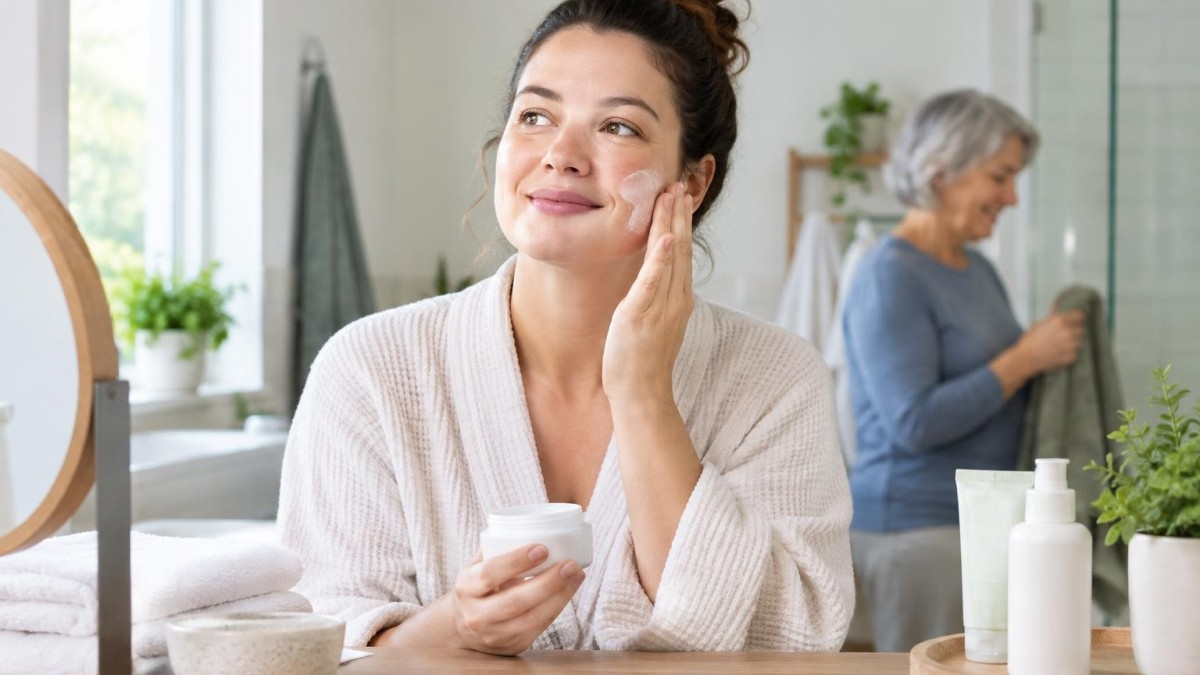
What Is Sensitive Skin?
Your skin acts as a protective shield, but some people’s skin is more sensitive to everyday products and environmental factors. If you notice redness, itching, dryness, or irritation after using certain skincare items or being outside, you might have sensitive skin. Recognizing these signs helps you take better care of your skin.
Recognizing Sensitive Skin Symptoms
Sensitive skin often shows itself through redness or flushing, especially after exposure to wind, temperature changes, or certain products. You might feel burning or stinging sensations alongside the redness.
Itching and general irritation are common, usually triggered by fragrances, harsh detergents, or exposure to allergens. Scratching can make these symptoms worse, so avoiding triggers is important.
Dryness and tightness often go hand in hand with sensitive skin. It may feel flaky or uncomfortable because it struggles to retain moisture. Using gentle, hydrating skincare can help ease this tightness.
Some people with sensitive skin may also experience breakouts or acne-like reactions from specific ingredients. Selecting products labeled as non-comedogenic and soothing can prevent these flare-ups.
Allergic reactions such as swelling, hives, or rashes may occur when your skin meets new products. Performing patch tests beforehand can help identify potential irritants safely.
Sun sensitivity is another factor; you might sunburn easily or notice redness after minimal sun exposure. Protecting your skin with high-SPF sunscreen and suitable clothing is essential.
Practical Tips to Care for Sensitive Skin
Start by choosing fragrance-free and hypoallergenic skincare products designed for sensitive skin. These are less likely to cause irritation.
Moisturize regularly to combat dryness and keep your skin comfortable. Look for products that nourish without clogging pores or causing reactions.
Always test new products on a small skin patch before applying them widely. This simple step helps avoid unexpected allergic reactions.
Remember to protect your skin from the sun with SPF 30 or higher and wear hats or long sleeves when outdoors.
If symptoms persist or worsen, consulting a dermatologist can provide personalized guidance and treatment suited to your skin’s needs.
By understanding and responding to your skin’s sensitivity, you can build a gentle routine that keeps your skin healthy and glowing.
Newsletter Station provides professionally written, ready-to-send newsletters customized for your market and brand.
EXPLORE NEWSLETTER OPTIONS