
FEATURE ARTICLE
Tea Tree Oil for Hair: Benefits, Uses, and Safety Tips
Dec 31, 2025
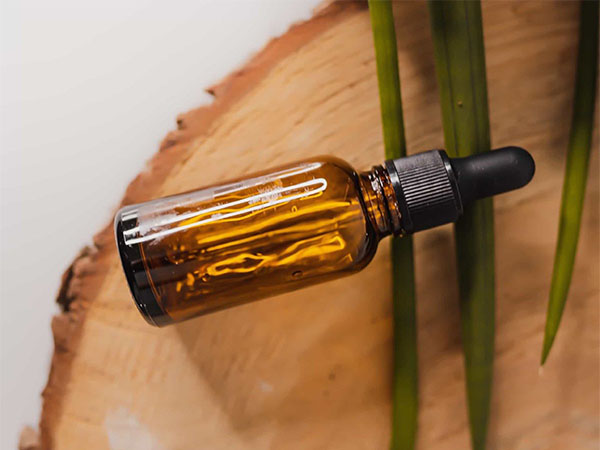
In the quest for healthier, shinier hair, natural remedies are gaining popularity. Tea tree oil, derived from the leaves of Australia’s Melaleuca alternifolia tree, has long been valued for its medicinal properties. While commonly used for skin care, it also offers several potential benefits for hair.
This blog explores how tea tree oil can support hair health, key precautions, and best practices to ensure safe and effective use.
Benefits of Tea Tree Oil for Hair
This blog explores how tea tree oil can support hair health, key precautions, and best practices to ensure safe and effective use.
Benefits of Tea Tree Oil for Hair
-
Scalp Health
Tea tree oil has antimicrobial and anti-inflammatory properties that can help soothe an itchy, dry, or irritated scalp. Regular use may improve overall scalp condition and reduce discomfort. -
Dandruff Treatment
Its antifungal properties can help combat Malassezia, a fungus linked to dandruff. Incorporating tea tree oil into shampoos or DIY hair treatments may reduce flaking and irritation. -
Cleansing and Clarifying
Tea tree oil naturally helps remove excess oil, dirt, and product buildup, leaving hair and scalp refreshed. It’s beneficial for those with oily scalps or frequent use of hair products. -
Promotes Hair Growth
While scientific evidence is limited, a healthier scalp environment may indirectly support hair growth. Improved blood flow and reduced follicle inflammation can create favorable conditions for hair. -
Adds Shine and Softness
When properly diluted, tea tree oil can hydrate hair, enhancing natural shine and softness without leaving a greasy residue.
-
Always Dilute
Pure tea tree oil is potent and may irritate the scalp. Mix a few drops with a carrier oil, such as coconut or jojoba, before application. -
Perform a Patch Test
Test on a small area of skin first to check for allergies or sensitivity before complete application. -
Sensitive Scalp Considerations
Those with sensitive skin or pre-existing scalp conditions should consult a dermatologist before use. -
Not a Replacement for Medical Treatment
Tea tree oil can support scalp health, but it isn’t a substitute for professional treatment for severe conditions such as persistent hair loss or infections. -
Use Sparingly
Overuse can cause dryness or irritation. Apply moderate amounts to maintain benefits without adverse effects.
- Add to Shampoo or Conditioner: Mix a few drops into your regular products.
- Scalp Massage: Combine with a carrier oil and gently massage into the scalp to improve circulation.
- DIY Hair Masks: Blend with natural ingredients like aloe vera or honey for a nourishing treatment.