
FEATURE ARTICLE
Signs You Might Have Bats in Your Attic and How to Handle Them
Dec 24, 2025
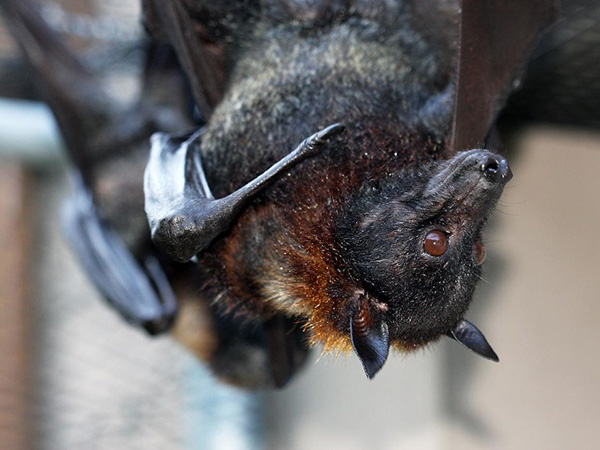
Bats are fascinating creatures that provide essential ecological benefits, including controlling insect populations and pollinating plants.
While they are valuable to the environment, bats taking up residence in your attic can pose serious concerns. They can carry diseases such as rabies, and their droppings (guano) may damage your home’s structure and create health hazards.
Common Signs of Bats in Your Attic
If you suspect a bat infestation, take prompt, responsible action:
Addressing the issue responsibly ensures both your home and bats remain safe, promoting harmony between humans and wildlife.
While they are valuable to the environment, bats taking up residence in your attic can pose serious concerns. They can carry diseases such as rabies, and their droppings (guano) may damage your home’s structure and create health hazards.
Common Signs of Bats in Your Attic
-
Strange Noises
Bats are most active at dusk and dawn, often producing squeaks, chirps, or scratching sounds. These noises are usually distinct from those of other animals and can signal an infestation. -
Guano Accumulation
Bats leave small, dark droppings wherever they roost. Piles of guano in your attic or around your home indicate a bat colony. Over time, guano can produce foul odors and carry harmful bacteria and fungi. -
Stains and Odors
Bat urine and droppings can stain walls and ceilings. If you notice unexplained stains or a persistent, unpleasant odor, bats may be present. -
Visible Entry Points
Bats can squeeze through openings as small as half an inch. Inspect your roofline, siding, and vents for cracks, gaps, or holes that could provide entry points. -
Outdoor Guano
Droppings outside your home, near walls or under eaves, may indicate bats roosting indoors, as they often defecate while exiting the attic at night. -
Insect Activity Changes
Since bats consume large numbers of insects, sudden spikes in mosquito or moth populations around your property may indicate nearby foraging bats. -
Spotting Bats
Although nocturnal, you may occasionally see bats flying in or out of your home at dusk or dawn—a clear sign they reside in your attic.
If you suspect a bat infestation, take prompt, responsible action:
-
Consult a Wildlife Professional
Confirm the presence of bats and consult a licensed specialist to assess the situation. -
Avoid DIY Removal
Please do not attempt to remove bats yourself; it can be dangerous and may violate local wildlife laws. -
Humane Exclusion
Work with professionals to safely exclude bats without harming them, often using one-way exits and deterrents. -
Clean and Sanitize
After removal, sanitize the attic to remove guano and prevent health hazards. -
Seal Entry Points
Repair or seal openings to prevent bats from returning.
Addressing the issue responsibly ensures both your home and bats remain safe, promoting harmony between humans and wildlife.