
Understanding Your Senior Cat's Changing Needs
As cats grow older, they experience shifts in their health and behavior that call for extra care. Recognizing these changes helps you adjust your support, ensuring your feline friend remains comfortable and content in their senior years.
Keep Up with Regular Vet Visits
Frequent veterinary check-ups become crucial for older cats. Conditions like arthritis, dental problems, kidney issues, thyroid disorders, and diabetes are common among seniors. Visiting the vet every six months aids early detection and effective management of these health concerns.
Adjust Their Nutrition and Hydration
Older cats benefit from diets designed for seniors, which often contain fewer calories and nutrients that support joint health, digestion, and immunity. Always consult your vet before changing their food to match their specific needs. Since senior cats can be prone to dehydration, provide fresh water in several spots, and consider pet fountains to encourage drinking.
Focus on Dental Care and Comfort
Dental health impacts your cat’s overall comfort and eating habits. Regular dental exams, gentle tooth brushing, and vet-approved dental treats can prevent pain and infection. Create a cozy environment with soft bedding, easy-to-access litter boxes, and warm spots that help ease joint stiffness, especially during colder months.
Encourage Gentle Exercise and Mental Engagement
Even if your cat moves more slowly, light play sessions with interactive toys keep their body active and mind sharp. Puzzle feeders can slow down eating and provide mental stimulation, which supports cognitive health as they age.
Follow Medication and Monitor Weight
If your cat requires medication or supplements for specific conditions, follow your veterinarian’s advice carefully. Maintaining a healthy weight is important too—too much or too little can strain their body. Monitor portions and treats, and seek vet guidance if you notice weight changes.
Maintain Grooming and Emotional Well-Being
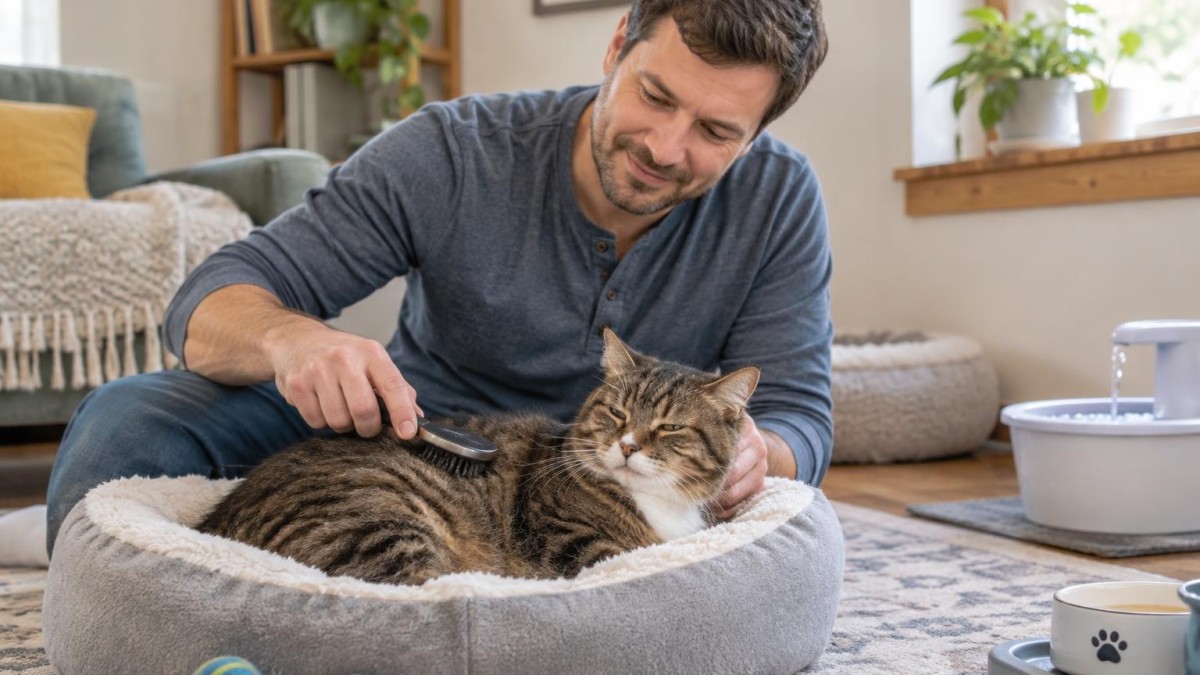
Older cats might not groom themselves as efficiently, so regular brushing helps prevent mats and detect any skin changes early. Grooming can also be a soothing bonding activity. Additionally, emotional comfort matters—stick to familiar routines, offer gentle affection, and create calm surroundings to reduce stress.
Supporting a senior cat requires patience and compassion, but with attentive care tailored to their unique needs, you’ll help your cat enjoy their golden years in warmth and health.
Newsletter Station provides professionally written, ready-to-send newsletters customized for your market and brand.
EXPLORE NEWSLETTER OPTIONS