
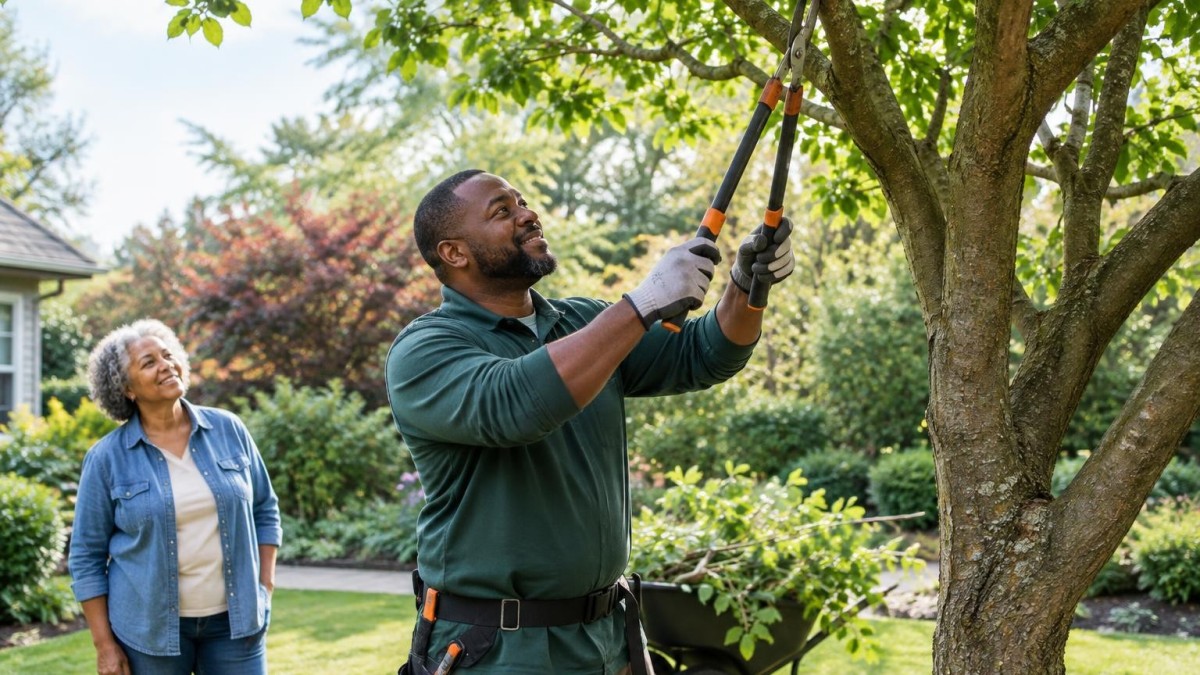
Enhancing Tree Beauty Through Thoughtful Shaping
Trees offer more than shade and oxygen—they are key to landscape charm and wildlife habitats. While some trees flourish naturally, deliberate shaping can boost their aesthetic appeal, safety, and practicality in your outdoor space.
How Trees Naturally Grow and How Shaping Helps
Understanding a tree’s growth is essential before trimming or shaping. Most trees grow upward from a main leader branch, a trait called apical dominance. When shaping respects this natural tendency, it guides growth in a way that strengthens the tree, balances its structure, and reduces stress. Proper pruning promotes healthy limbs and supports the tree’s form over time.
Common Techniques to Shape Trees Effectively
Here are some popular methods for both beauty and function:
Pruning
Selective branch removal improves the tree’s shape, symmetry, and health. It thins crowded areas, minimizes disease risk, and showcases the tree’s natural form.
Crown Thinning
Removing some interior branches allows better air circulation and light exposure. This keeps the canopy open, reduces wind damage, and fosters a healthier tree.
Crown Raising
Taking out lower branches creates clearance beneath the canopy, making room for footpaths, vehicles, or views.
Crown Reduction
Reducing canopy size gradually prevents hazards and controls height while keeping a natural appearance.
Functional Shaping Techniques
Espalier
Training trees to grow flat against surfaces saves space and introduces an artistic touch—ideal for compact gardens or city yards.
Pollarding
This involves cutting upper branches regularly to maintain size and encourage dense new growth, lending a unique character to the tree.
Hedge Trimming
Shaping shrubs and trees into hedges defines boundaries, adds privacy, and blocks wind while encouraging thick healthy growth.
Best Practices for Shaping Trees
Timing matters—late winter or early spring pruning usually reduces stress and promotes healing. Know the species you’re working with, as some trees respond differently to shaping techniques. For larger or complex jobs, rely on certified arborists to protect both people and tree health.
Creating Lasting Value with Thoughtful Tree Care
Careful shaping enhances your landscape’s beauty, safety, and function while respecting the tree’s natural growth. Following proper techniques and timing helps trees thrive, ensuring your outdoor spaces remain vibrant and inviting for years ahead.
Newsletter Station provides professionally written, ready-to-send newsletters customized for your market and brand.
EXPLORE NEWSLETTER OPTIONS