
Regular Maintenance Matters
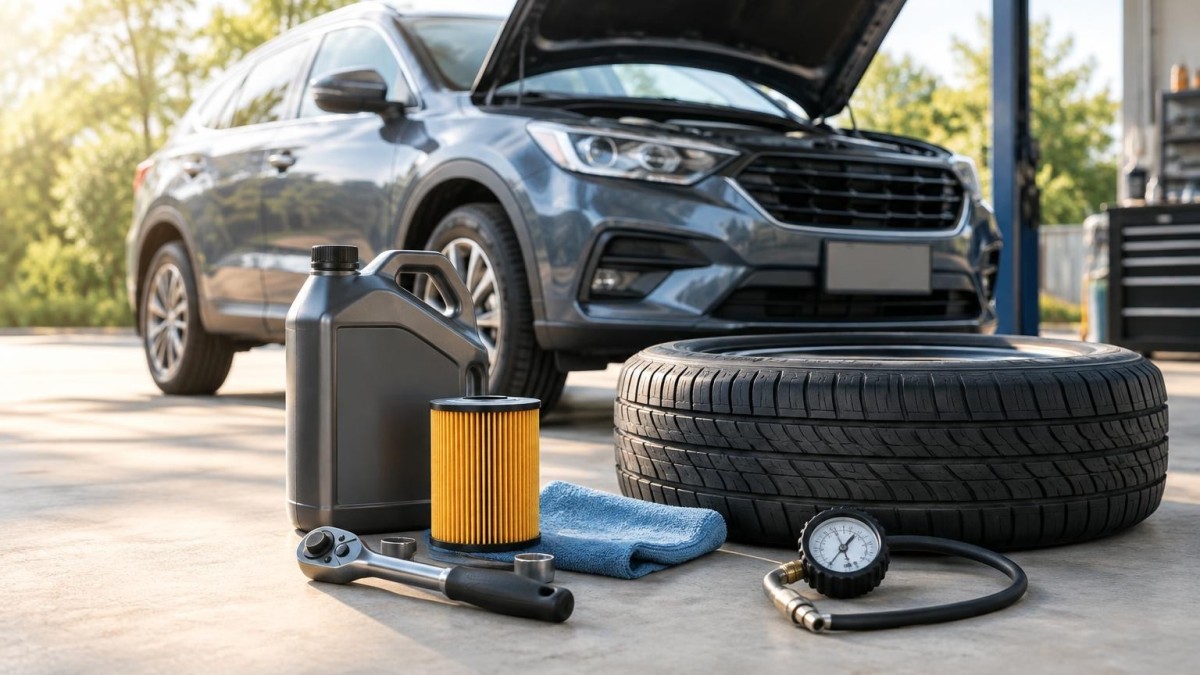
Our vehicles do a lot for us, and it's easy to overlook the simple upkeep they need to last. Skipping scheduled oil changes, tire rotations, and fluid checks can lead to increased engine friction and wear, affecting your car's longevity.
To keep your vehicle in top shape, mark your calendar for routine service appointments. Keeping a maintenance log or using reminders on your phone can help you stay on track. Consistent care not only prolongs your car's life but can also save you money by catching issues early.
Drive Smoothly to Save Your Car
Aggressive driving—like rapid acceleration, hard braking, and speeding—not only risks safety but also puts extra strain on your vehicle’s components such as the brakes, transmission, and suspension. This kind of stress accelerates wear and ups fuel consumption.
Try to adopt a gentler driving style: accelerate steadily, anticipate stops to avoid sudden braking, and maintain consistent speeds. These small changes can improve fuel efficiency and reduce costly repairs.
Give Your Engine Time to Warm Up
In colder weather, jumping into driving right after starting your car can cause increased engine wear. When the engine is cold, friction is higher, which can harm internal parts like pistons and bearings.
Let your vehicle idle for a couple of minutes during cold starts to allow the oil to circulate fully. This simple step helps protect your engine and promotes smooth performance.
Watch Your Load
Carrying more weight than your vehicle is designed for stresses the suspension, tires, brakes, and drivetrain, and can negatively affect handling and fuel economy.
Always check your vehicle’s weight limits, distribute heavy loads evenly, and avoid overloading. If necessary, make multiple trips instead of risking damage or safety hazards.
Keep Tire Pressure in Check
Proper tire inflation is crucial for safety, handling, and tire lifespan. Tires that are too low or too high on pressure wear unevenly and can lead to blowouts or increased fuel use.
Make it a habit to check tire pressure monthly with a reliable gauge, and inflate tires to the manufacturer’s recommended levels. Regularly inspect tires for tread wear and replace them when needed.
Your vehicle is a significant investment, and adapting mindful habits plays a big role in protecting it. By following these simple recommendations—sticking to maintenance schedules, driving smoothly, warming up your engine properly, avoiding excess load, and monitoring tire health—you’ll extend your car’s life, cut down on repairs, and enjoy a safer ride for years to come.
Newsletter Station provides professionally written, ready-to-send newsletters customized for your market and brand.
EXPLORE NEWSLETTER OPTIONS