
FEATURE ARTICLE
Growing Sunflowers: A Complete Guide to Planting, Caring for, and Harvesting Seeds
Dec 24, 2025
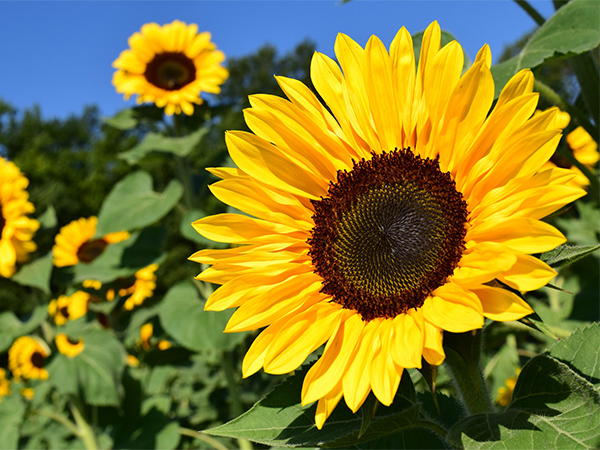
Sunflowers symbolize summer, positivity, and resilience with their vibrant yellow petals and towering stems. Beyond their cheerful appearance, these iconic plants offer a practical reward: nutritious sunflower seeds that can be enjoyed as a snack, used in baking, or added to salads and trail mixes.
If you’re looking for a gardening project that’s both beginner-friendly and deeply satisfying, growing sunflowers is an excellent choice. From planting to harvest, this guide walks you through how to grow healthy sunflowers and collect seeds you’ll be proud to enjoy or share.
Choosing the Right Sunflower Variety
Selecting the right sunflower variety sets the stage for success. Sunflowers vary widely in height, bloom size, and purpose.
For seed production, large-headed varieties such as Russian Giant and Mammoth are popular for their abundant, easy-to-harvest seeds. If space is limited or your goal is decorative appeal, compact varieties such as Teddy Bear or Lemon Queen offer bright blooms without towering growth. Consider your garden size, sunlight availability, and intended use before planting.
How to Plant and Care for Sunflowers
Sunflowers are known for their resilience and adaptability, making them ideal for gardeners of all experience levels.
Harvesting sunflower seeds is the most rewarding part of the process and signals the end of the growing cycle.
Growing sunflowers from seed to harvest is a fulfilling experience that blends beauty with practicality. It encourages patience, care, and a deeper connection to nature—while rewarding you with golden blooms and delicious seeds.
Whether you’re planting a single row or an entire patch, sunflowers bring joy to your garden and nourishment to your table season after season.
If you’re looking for a gardening project that’s both beginner-friendly and deeply satisfying, growing sunflowers is an excellent choice. From planting to harvest, this guide walks you through how to grow healthy sunflowers and collect seeds you’ll be proud to enjoy or share.
Choosing the Right Sunflower Variety
Selecting the right sunflower variety sets the stage for success. Sunflowers vary widely in height, bloom size, and purpose.
For seed production, large-headed varieties such as Russian Giant and Mammoth are popular for their abundant, easy-to-harvest seeds. If space is limited or your goal is decorative appeal, compact varieties such as Teddy Bear or Lemon Queen offer bright blooms without towering growth. Consider your garden size, sunlight availability, and intended use before planting.
How to Plant and Care for Sunflowers
Sunflowers are known for their resilience and adaptability, making them ideal for gardeners of all experience levels.
-
Choose a sunny location
Sunflowers thrive in full sun and need at least six to eight hours of direct sunlight daily for vigorous growth and healthy blooms. -
Prepare nutrient-rich soil
Well-draining soil is essential. Mixing compost or organic matter into the soil improves fertility and supports strong root development. -
Plant seeds correctly
Sow seeds directly in the ground after the last frost, planting 1–2 inches deep and spacing according to the variety. Starting seeds indoors in biodegradable pots is also an option for shorter growing seasons. -
Water consistently
Keep soil evenly moist during germination. Once established, sunflowers are fairly drought-tolerant but benefit from deep, occasional watering. -
Support tall plants
Taller varieties may need staking or cages, especially in windy areas, to prevent bending or breakage. -
Fertilize sparingly
Too much fertilizer—especially nitrogen—can cause weak stems. A balanced fertilizer at planting time is usually sufficient.
Harvesting sunflower seeds is the most rewarding part of the process and signals the end of the growing cycle.
-
Watch for maturity
Seeds are ready when the flower head droops and the back turns yellow or brown. Seeds should look plump and firm. -
Cut and dry the flower head
Cut the head with a few inches of stem attached and hang it upside down in a dry, well-ventilated area to finish drying. -
Remove the seeds
Once dry, gently rub or brush seeds from the head. Rinse to remove debris, then air-dry thoroughly. -
Store properly
When dehydrated, store seeds in airtight containers in a cool, dry place to maintain freshness.
Growing sunflowers from seed to harvest is a fulfilling experience that blends beauty with practicality. It encourages patience, care, and a deeper connection to nature—while rewarding you with golden blooms and delicious seeds.
Whether you’re planting a single row or an entire patch, sunflowers bring joy to your garden and nourishment to your table season after season.