
Spotting the Signs of a Pet Emergency
Knowing when your pet needs urgent help is the first step in providing effective first aid. Watch for alarming symptoms like difficulty breathing, severe bleeding, seizures, sudden collapse, choking, unexplained weakness, excessive vomiting, or if you suspect they have ingested something toxic. Any sudden, serious changes in their behavior or condition require immediate veterinary attention.
Essential Items for a Pet First Aid Kit
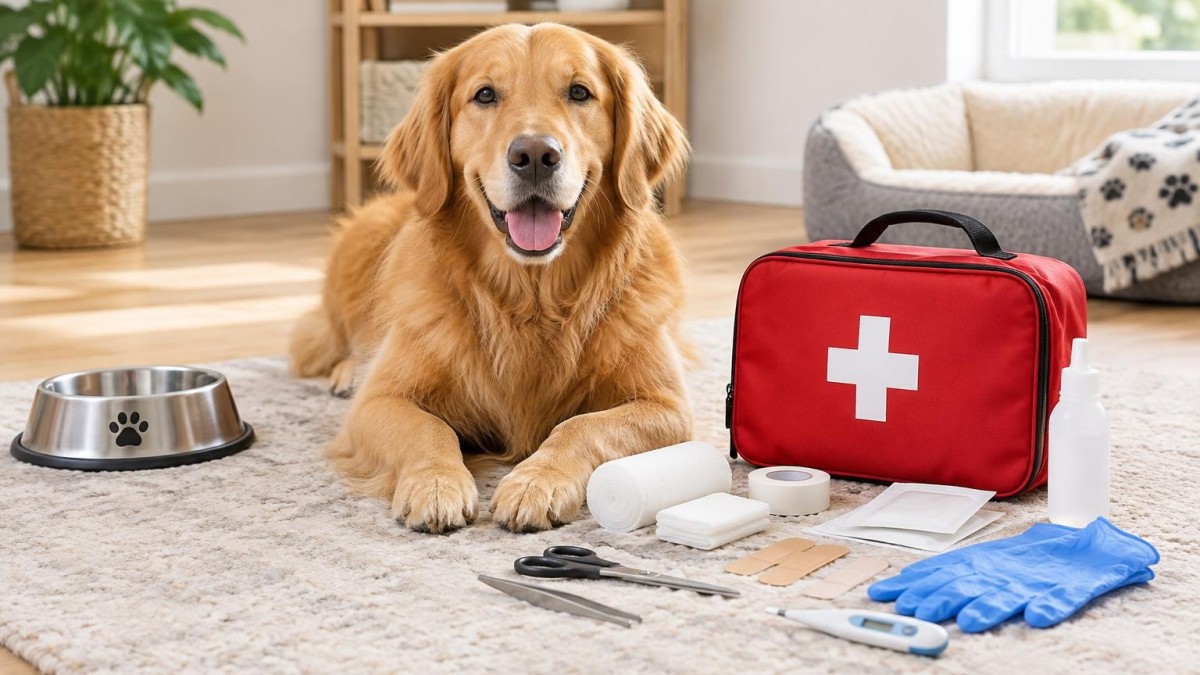
Having a ready-to-go first aid kit designed specifically for pets can save crucial minutes during an emergency. Key supplies include gauze pads, adhesive bandages, antiseptic wipes, tweezers, blunt scissors, saline solution, disposable gloves, a pet thermometer, and your pet’s vaccination records. Keep your vet’s contact info handy so you can reach out quickly.
Careful Handling and Basic Wound Treatment
When your pet is hurt, approach them calmly to avoid adding stress or causing defensive reactions. Use a towel or gentle restraint as needed to protect yourself and your pet. For cuts, gently apply pressure with a clean cloth to control bleeding, rinse the wound with clean water or saline, then cover it with sterile gauze. Prompt veterinary evaluation is important as wounds may require stitches or antibiotics.
Learning Life-Saving Techniques: CPR and the Heimlich Maneuver
Pet CPR can be critical during events like drowning or cardiac arrest. It involves careful chest compressions and rescue breaths tailored to your pet’s size and breed. Taking a certified pet first aid course can build your skills and confidence. Also, learn how to perform the Heimlich maneuver on pets to relieve choking—this quick action can prevent serious harm, but always follow up with a veterinarian.
Responding to Poisoning and Temperature-Related Emergencies
If you suspect your pet has been poisoned, get professional advice immediately—avoid inducing vomiting or giving home remedies unless directed, as these may make things worse. Extreme weather conditions can cause heatstroke or hypothermia. Signs of heatstroke include heavy panting, drooling, and weakness; hypothermia may cause shivering and sluggishness. Begin gradual warming or cooling measures and seek emergency care promptly.
Being prepared with essential first aid skills ensures you can act calmly and quickly when your pet faces an emergency. While first aid can stabilize your furry friend, always follow up with professional veterinary care to give them the best chance at a healthy recovery.
Newsletter Station provides professionally written, ready-to-send newsletters customized for your market and brand.
EXPLORE NEWSLETTER OPTIONS