
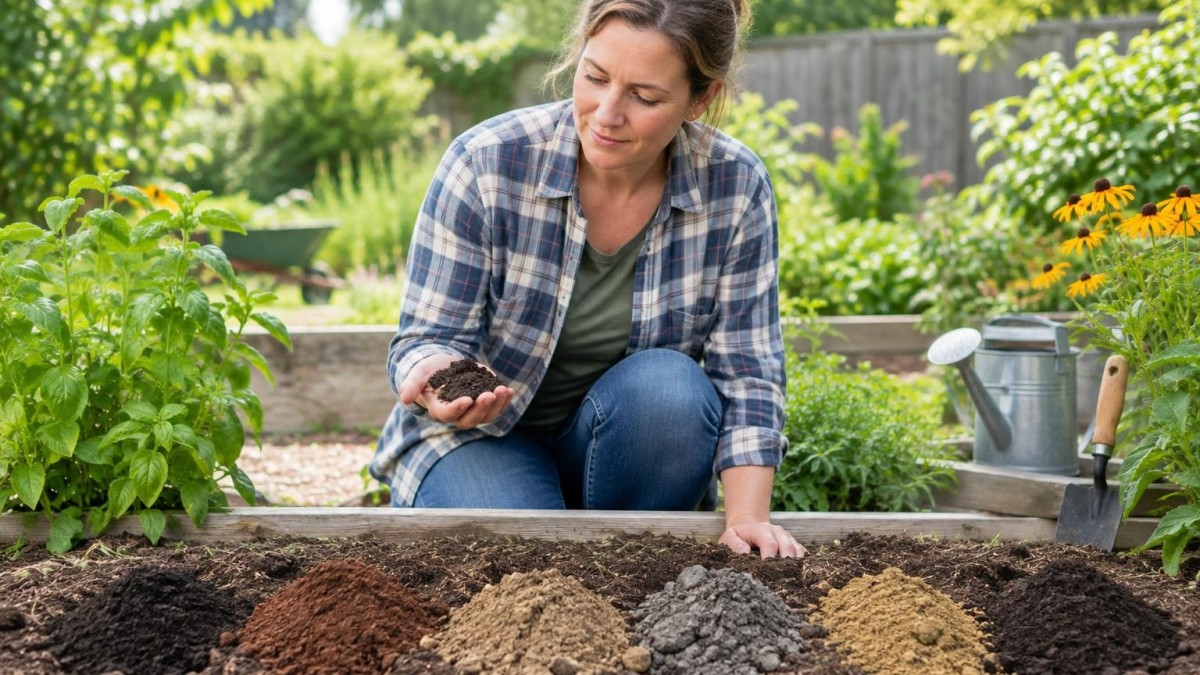
What Soil Color Tells You About Your Garden
When you think about what helps your garden grow, soil color might not be the first thing that comes to mind. Yet, the shades beneath your plants can tell you a lot about soil health, composition, and what your garden really needs.
Understanding soil colors can guide you in nurturing a more productive garden with healthier plants.
Dark Brown: A Sign of Richness
Soil that’s dark brown often means it’s loaded with organic matter like decomposed leaves and plant material. This "black gold" holds moisture well and feeds the microorganisms that keep plants happy. Gardens with this soil usually flourish because the soil is naturally fertile.
Light Brown to Tan: Balanced but Needs Care
Light brown or tan soils usually indicate moderate fertility. These soils, such as loam, offer a good balance of sand, silt, and clay and suit many garden plants well. While not as nutrient-dense as darker soils, they respond well to regular composting and fertilizing.
Reddish Brown: Watch the Drainage
The red tint comes from iron oxides in the soil. This can be good in moderation, but heavy reddish soils sometimes mean poor drainage or uneven nutrients. Testing and amending this soil can prevent problems and keep plants thriving.
Gray or Blue-Gray: Improve Drainage
These colors often suggest waterlogged soil, which lacks oxygen essential for roots. Improving drainage by adding organic matter, building raised beds, or installing drainage can rescue these soggy spots and help plant roots breathe.
Yellowish Soil: Replenish Nutrients
Yellow soils may lack key nutrients due to washing away or insufficient additions. Adding organic matter and balanced fertilizers can restore soil fertility and the vibrant colors that indicate health.
Black or Dark Gray: Moist but Manage Carefully
Dark, moist soil can be fertile but needs careful watering to avoid root problems. It's ideal for plants that love moisture, but you’ll want to ensure good airflow and drainage to keep roots healthy.
By regularly observing the color of your garden soil and pairing that with occasional soil tests, you gain valuable clues to keep your garden’s foundation strong. Adjusting your care based on these observations helps your plants grow better and your soil stay healthy season after season.
Next time you're digging in your garden, take a moment to look down and learn what your soil is trying to tell you—it’s full of gardening wisdom just waiting to be uncovered.
Newsletter Station provides professionally written, ready-to-send newsletters customized for your market and brand.
EXPLORE NEWSLETTER OPTIONS