
Why Prune Perennial Plants?
Pruning perennials is a key gardening task that benefits your plants and your landscape in several ways. Cutting back old stems encourages the plants to put energy into growing fresh, healthy foliage and stronger roots. Removing dead or faded parts also keeps your garden tidy, enhancing its appearance throughout the year. Additionally, trimming can prevent the buildup of pests and diseases that might otherwise survive winter on decaying material. For some varieties like asters and mums, cutting back after flowering can even stimulate a second bloom, extending your garden’s color display.
Best Times to Cut Back Your Perennials
The right timing depends on your plant species and climate. Many gardeners choose either fall, when the plants are dormant, or early spring just before new growth begins. Fall pruning can leave attractive seed heads that provide winter interest and food for wildlife, but in colder regions, it might be safer to wait until spring to prune and reduce damage from freezing temperatures.
For spring and early summer bloomers such as peonies and irises, cut back the stems shortly after the flowers fade to help the plants focus energy on root development. Late-blooming perennials like sedums and coneflowers respond well to pruning in late summer or early fall, sometimes encouraging additional flowers before winter.
How to Properly Cut Back Perennials
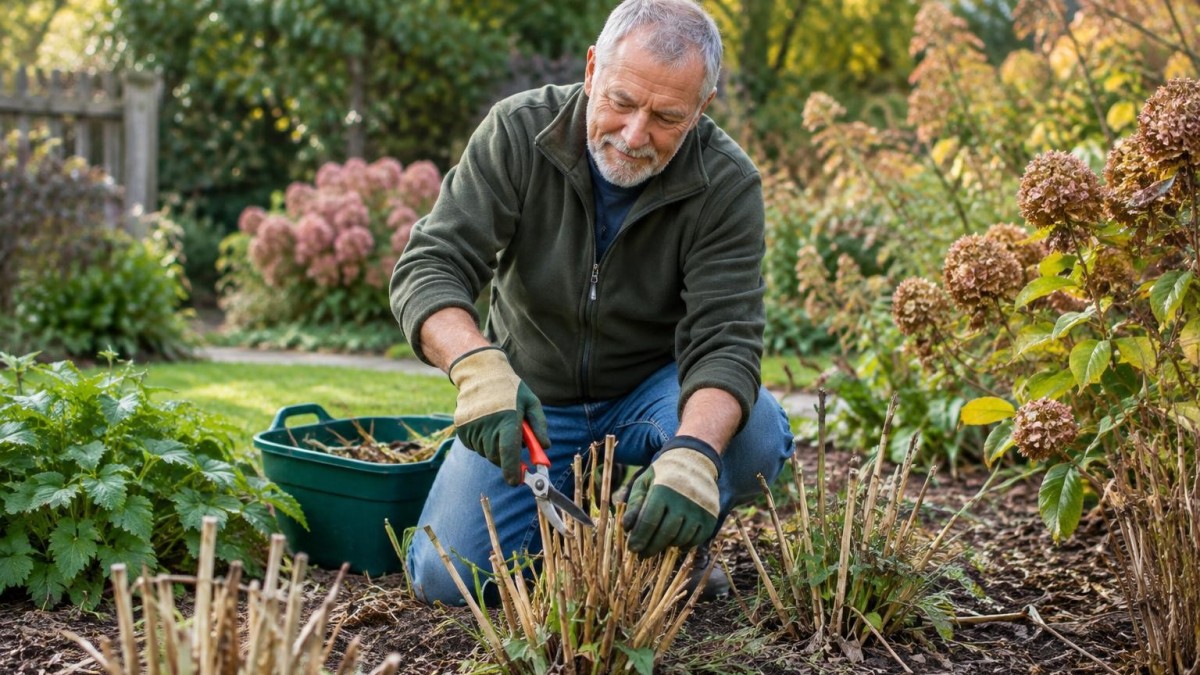
Use clean, sharp garden shears or pruners to make smooth cuts, which heal faster and reduce the risk of disease. Carefully remove any dead, damaged, or diseased stems first. For most perennials, cut back stems to a few inches above the soil level but leave some foliage near the base. This foliage can protect the plant crown during winter and add subtle garden interest when most plants are dormant.
Dispose of your cuttings thoughtfully by removing debris from the garden to prevent pests and pathogens from lingering. Healthy plant material can be composted, but any diseased stems should be discarded to avoid spreading infections.
Additional Tips for a Flourishing Perennial Garden
Knowing the specific needs of your perennial species helps you prune at the right times and in the right way. Applying mulch after pruning can protect roots from temperature swings and help retain soil moisture. Regularly check your plants for pests and diseases to catch problems early. Also, consider leaving some seed heads and late-season flowers to support pollinators like bees and birds in your garden.
With careful timing, proper cutting techniques, and a bit of ongoing care, your perennial garden will thrive, offering resilient beauty and enjoyment year after year.
Newsletter Station provides professionally written, ready-to-send newsletters customized for your market and brand.
EXPLORE NEWSLETTER OPTIONS