
FEATURE ARTICLE
Why Is My Pet Drinking So Much Water? Common Causes and When to Seek Help
Dec 10, 2025
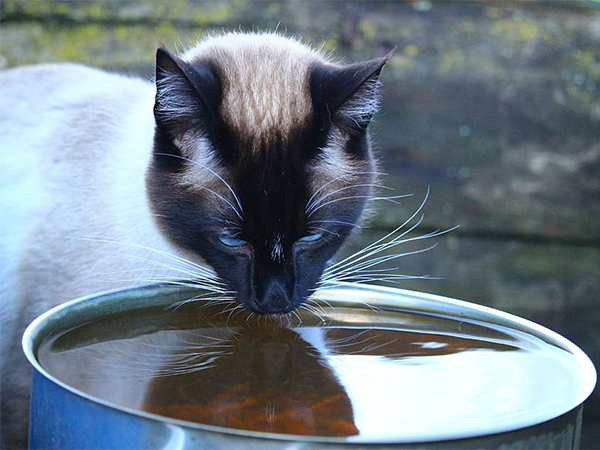
As a pet owner, staying attentive to changes in your furry friend’s habits is an essential part of protecting their health. One behavior to pay close attention to is excessive water consumption, also called polydipsia. While occasional extra drinking may be harmless, persistent or sudden thirst can indicate dehydration, stress, or an underlying medical condition that requires veterinary attention.
By understanding the most common reasons pets drink more than usual, you can make informed decisions and seek help before symptoms progress.
Sudden, excessive, or prolonged drinking should never be ignored. Contact your vet if you notice:
Protecting Your Pet’s Long-Term Health
Early detection and treatment of health issues are key to ensuring your pet lives a long, comfortable life. By monitoring changes in thirst, maintaining regular vet checkups, and offering a healthy diet, you can reduce risks and support overall well-being.
Being a responsible pet owner means staying observant, asking questions, and acting quickly when something seems off. Your attention could make all the difference in your pet’s health.
By understanding the most common reasons pets drink more than usual, you can make informed decisions and seek help before symptoms progress.
-
Dehydration and Heat
,br> Pets can become dehydrated quickly, especially during hot weather or after exercise. In these situations, increased drinking is the body’s natural way of replacing lost fluids.
To protect your pet:- Provide constant access to fresh, cool water
- Offer shaded areas outdoors
- Limit activity during extreme heat
-
Diet and Nutrition
Diet plays a major role in hydration. Pets who eat mostly dry kibble naturally drink more water because the food contains little moisture.
To support hydration:- Add wet food or broth to meals
- Mix warm water into dry food
- Ensure proper nutritional balance
-
Diabetes
Both cats and dogs can develop diabetes, particularly as they age or gain weight. Excessive thirst and urination are key warning signs, along with weight loss, increased appetite, or lethargy. If you notice these symptoms, seek prompt veterinary care for testing and treatment. Early diagnosis can greatly improve long-term outcomes. -
Kidney Disease
Chronic kidney disease is common in senior pets and causes the kidneys to lose their ability to concentrate urine. As a result, pets drink more water to stay hydrated.
Other signs include:- Gradual weight loss
- Poor coat condition
- Appetite changes
-
Cushing’s Disease
Cushing’s disease (hyperadrenocorticism) occurs when the body produces excess cortisol. Along with excessive drinking, common symptoms include:- Increased appetite
- Hair loss
- Frequent urination
- Pot-bellied appearance
-
Medications
Some medications—such as steroids, diuretics, and specific behavioral drugs—can cause pets to drink and urinate more frequently.
If your pet recently started a new medication and you’ve noticed changes, talk with your veterinarian. Dosage adjustments or alternative medications may help. -
Anxiety and Stress
Behavioral changes, including increased drinking, can result from anxiety or stress. Triggers may include:- Routine changes
- Visitors or loud noises
- Moving homes
- Adding a new pet
Sudden, excessive, or prolonged drinking should never be ignored. Contact your vet if you notice:
- Rapid increase in thirst
- Increased urination
- Weight loss or appetite changes
- Vomiting or lethargy
- Behavioral changes
Protecting Your Pet’s Long-Term Health
Early detection and treatment of health issues are key to ensuring your pet lives a long, comfortable life. By monitoring changes in thirst, maintaining regular vet checkups, and offering a healthy diet, you can reduce risks and support overall well-being.
Being a responsible pet owner means staying observant, asking questions, and acting quickly when something seems off. Your attention could make all the difference in your pet’s health.