
FEATURE ARTICLE
Maximizing Your Car’s Fuel Efficiency: Tips for Smarter, Greener Driving
Dec 3, 2025
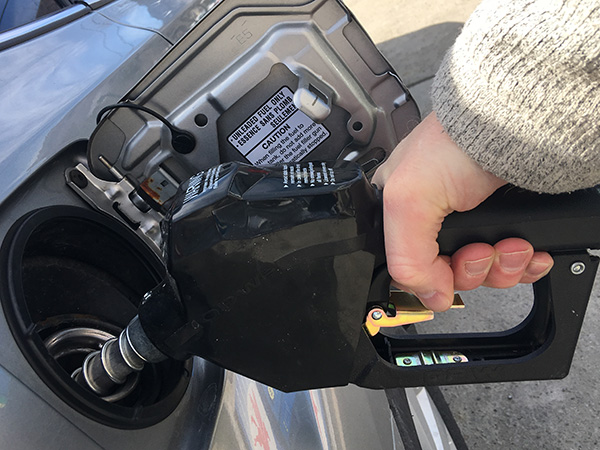
In today’s world, where sustainability and cost savings are both priorities, improving your car’s fuel efficiency goes beyond saving money at the pump—it also reduces your carbon footprint.
Whether you drive a compact sedan or a large SUV, small changes can lead to significant improvements in gas mileage and environmental impact. Here are practical strategies to get the most out of every gallon:
Whether you drive a compact sedan or a large SUV, small changes can lead to significant improvements in gas mileage and environmental impact. Here are practical strategies to get the most out of every gallon:
-
Regular Maintenance
Routine maintenance, including oil changes, air filter replacements, and tire rotations, keeps your engine running efficiently. A well-maintained engine consumes less fuel while prolonging vehicle life. -
Check Tire Pressure
Underinflated tires increase rolling resistance, forcing your engine to work harder. Check tire pressure monthly and before long trips to improve fuel economy and extend tire lifespan. -
Drive Smoothly
Avoid rapid acceleration, hard braking, and speeding, as they can reduce fuel efficiency by up to 33% on highways. Anticipate traffic flow to improve driving and reduce fuel consumption. -
Use Cruise Control
Maintaining a steady speed on highways reduces fuel usage compared to fluctuating speeds from manual acceleration and braking. -
Reduce Vehicle Weight
Extra weight decreases fuel efficiency. Remove unnecessary items from your trunk or roof rack to lighten your vehicle. -
Avoid Idling
Idling wastes fuel. If stopped for more than a minute—like at train crossings or drive-thrus—turn off the engine and restart when ready. -
Use the Right Fuel
Always follow your manufacturer’s recommendations. Higher-octane fuel won’t improve performance if it’s not required, saving money and reducing unnecessary fuel use. -
Plan Your Routes
Combine errands and plan routes to minimize distance and avoid congested areas. Fewer stops and less traffic help conserve fuel. -
Keep Speeds Moderate
Higher speeds increase wind resistance, lowering fuel efficiency. Stick to speed limits and avoid unnecessary speeding. -
Consider Alternative Transportation
For short trips, try walking, biking, carpooling, or public transit. This reduces fuel consumption, traffic congestion, and vehicle emissions.