
FEATURE ARTICLE
How to Fix a Running Toilet: A Simple Guide for Homeowners
Dec 3, 2025
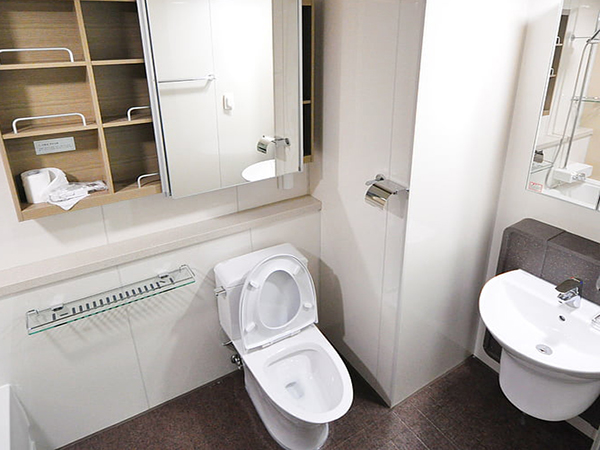
Few household issues are as irritating—and costly—as a running toilet. That constant trickling noise isn’t just annoying; it can waste hundreds of gallons of water per day, increasing your utility bill and putting unnecessary strain on your plumbing system. Thankfully, most running toilet problems are easy to identify and fix with basic tools and a little DIY confidence.
This helpful guide walks you through the most common causes, how to troubleshoot them, and the simple repairs that can restore quiet and efficiency to your bathroom.
Step 1: Identify the Problem
A running toilet usually points to one of a few common issues inside the tank. Understanding what each component does will make troubleshooting much easier.
Repairing a running toilet may seem intimidating, but it’s a simple project you can often complete in under an hour. By pinpointing the problem and following these practical steps, you’ll eliminate wasted water, save money, and prevent further plumbing issues.
The next time you hear that familiar trickle, don’t worry—grab your tools, lift the tank lid, and get ready to tackle the fix with confidence.
This helpful guide walks you through the most common causes, how to troubleshoot them, and the simple repairs that can restore quiet and efficiency to your bathroom.
Step 1: Identify the Problem
A running toilet usually points to one of a few common issues inside the tank. Understanding what each component does will make troubleshooting much easier.
-
Faulty Flapper
The flapper acts as a seal that releases water during a flush and closes afterward. Over time, this rubber piece can warp, crack, or become misaligned. When it doesn't seal properly, water continually leaks into the bowl, causing the toilet to run nonstop. -
Float Problems
The float controls the water level in the tank. If it’s set too high, excess water spills into the overflow tube. If it’s damaged or sticking, it may not signal the fill valve to stop running. -
Fill Valve Issues
The fill valve refills the tank after every flush. A worn or poorly adjusted valve may keep sending water into the tank, preventing it from shutting off.
- Adjustable wrench
- Screwdriver
- Replacement parts (flapper, float, or fill valve)
- Towel or sponge for water cleanup
-
Turn Off the Water Supply
Locate the shut-off valve behind the toilet and turn it clockwise to stop water flow. This ensures a clean, safe workspace. -
Inspect and Adjust the Flapper
Remove the tank lid and check the flapper for wear, mineral buildup, or misalignment. Cleaning may solve the issue, but replacements are inexpensive and often the most effective fix. -
Check Float Level and Condition
If the water level is too high, adjust the float according to your toilet model’s instructions. For faulty or waterlogged floats, installing a new one is the best solution. -
Examine the Fill Valve
Look for corrosion, cracks, or continuous water flow. If adjusting the valve doesn’t help, replacing it ensures reliable long-term performance and better water efficiency. -
Restore Water and Test
Turn the water supply back on and let the tank refill. Watch for continued running, dripping, or overflow. Address any remaining leaks around the flapper, fill valve, or float. -
Fine-Tune as Needed
Small adjustments often make a big difference. Be sure all components move freely and seal properly. -
Replace Parts When Adjustments Aren’t Enough
If the toilet still runs after troubleshooting and replacing the flapper, float, or fill valve, it may be the most effective fix. Modern replacements are affordable and designed for easy DIY installation.
Repairing a running toilet may seem intimidating, but it’s a simple project you can often complete in under an hour. By pinpointing the problem and following these practical steps, you’ll eliminate wasted water, save money, and prevent further plumbing issues.
The next time you hear that familiar trickle, don’t worry—grab your tools, lift the tank lid, and get ready to tackle the fix with confidence.