
FEATURE ARTICLE
Understanding Dog Eye Boogers: Causes, Concerns, and Care
Dec 3, 2025
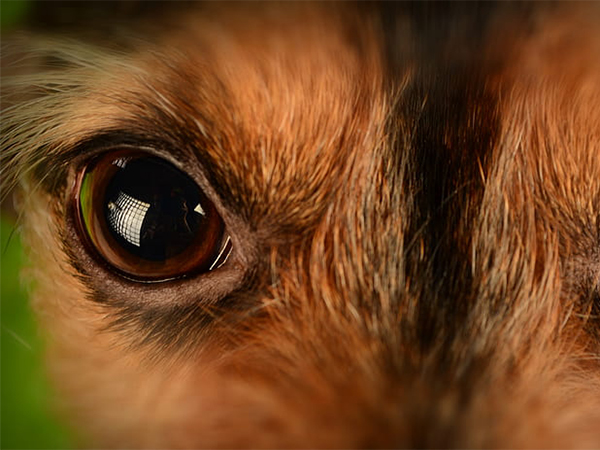
As a dog owner, you’ve likely noticed those tiny crusty deposits in your furry friend’s eyes, often called eye boogers. While some discharge is normal, excessive or unusual eye discharge can signal underlying health issues. Recognizing the difference is key to maintaining your dog’s eye health and comfort.
What Are Dog Eye Boogers?
Dog eye boogers, medically known as epiphora, are crusty or sticky substances that collect around the corners of a dog’s eyes. They can appear clear, white, yellow, green, or brown, and their consistency often depends on the underlying cause.
Normal Eye Discharge
A small amount of eye discharge is natural. Dogs produce tears to keep their eyes moist and free from dust or debris. Environmental factors like pollen, dust, or wind can temporarily increase discharge, resulting in minor eye boogers.
When to Be Concerned
Monitor your dog’s eye discharge carefully. Red flags include:
If abnormal eye discharge persists for more than a couple of days or shows concerning signs, consult your veterinarian immediately. Early detection and treatment prevent complications and ensure your dog’s comfort.
Tips for Maintaining Eye Health
With proper care and timely veterinary attention, your furry companion will stay happy, healthy, and free from eye discomfort.
What Are Dog Eye Boogers?
Dog eye boogers, medically known as epiphora, are crusty or sticky substances that collect around the corners of a dog’s eyes. They can appear clear, white, yellow, green, or brown, and their consistency often depends on the underlying cause.
Normal Eye Discharge
A small amount of eye discharge is natural. Dogs produce tears to keep their eyes moist and free from dust or debris. Environmental factors like pollen, dust, or wind can temporarily increase discharge, resulting in minor eye boogers.
When to Be Concerned
Monitor your dog’s eye discharge carefully. Red flags include:
- Change in Color or Consistency: Thick, green, or yellow discharge may indicate infection.
- Excessive Tearing: Constantly wet fur around the eyes could signal an underlying problem.
- Redness or Swelling: Inflamed eyes may indicate conjunctivitis or other infections.
- Pawing or Rubbing: Frequent rubbing suggests discomfort or irritation.
- Cloudiness or Haze: Blueish or cloudy eyes may indicate cataracts, glaucoma, or other serious conditions.
- Eye Infections: Bacterial, viral, or fungal infections require veterinary care.
- Allergies: Environmental allergens can increase tearing and discharge.
- Ingrown Eyelashes: Certain breeds are prone to eyelash irritation.
- Corneal Ulcers: Scratches or ulcers on the cornea can cause discharge and pain.
If abnormal eye discharge persists for more than a couple of days or shows concerning signs, consult your veterinarian immediately. Early detection and treatment prevent complications and ensure your dog’s comfort.
Tips for Maintaining Eye Health
- Gently clean your dog’s eyes with a damp cloth to remove debris.
- Schedule regular veterinary check-ups to monitor eye health.
- Keep the area around their eyes trimmed if hair obstructs tear flow.
- Watch for changes in behavior, such as squinting or rubbing.
With proper care and timely veterinary attention, your furry companion will stay happy, healthy, and free from eye discomfort.