
FEATURE ARTICLE
How to Protect and Restore Hardwood Floors from Water Damage
Nov 26, 2025
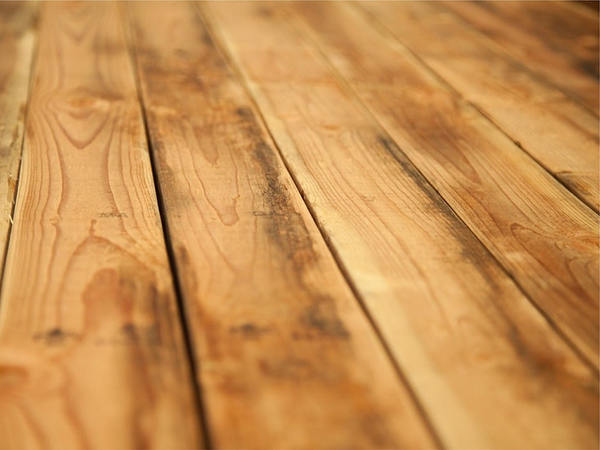
Hardwood floors are a timeless, elegant feature in any home, adding warmth, character, and style. However, one of the most common threats to their beauty is water damage. Whether from spills, plumbing leaks, flooding, or high humidity, moisture can warp, stain, or weaken hardwood floors if left unaddressed.
Understanding the causes of water damage and acting quickly can save homeowners significant repair costs and preserve the natural charm of their floors. This guide explores the main causes of water damage and practical steps to restore and protect hardwood floors.
Common Causes of Water Damage on Hardwood Floors
In cases of extensive damage or uncertainty, always consult a professional flooring specialist to ensure your hardwood floors are properly repaired and restored to their original elegance.
Understanding the causes of water damage and acting quickly can save homeowners significant repair costs and preserve the natural charm of their floors. This guide explores the main causes of water damage and practical steps to restore and protect hardwood floors.
Common Causes of Water Damage on Hardwood Floors
-
Spills and Accidents
Everyday spills—from glasses of water, pet bowls, or kitchen mishaps—can seep into hardwood floors. Even small amounts of liquid left unattended can cause staining, warping, or cupping over time. -
Plumbing Leaks
Hidden or slow plumbing leaks in kitchens, bathrooms, or laundry areas can lead to substantial water damage. Persistent leaks may go unnoticed until they cause significant structural or cosmetic issues. -
Flooding
Severe weather events, such as floods or heavy rainstorms, can inundate hardwood floors. Floodwaters can penetrate the wood surface and even damage the subfloor, requiring professional restoration. -
High Humidity
Excessive humidity causes hardwood floors to absorb moisture from the air, leading to swelling, warping, and gaps between boards. Maintaining balanced indoor humidity is crucial to prevent long-term damage.
-
Act Quickly
Time is critical. Immediately clean up spills or accidents to prevent moisture from being absorbed. For significant leaks or flooding, turn off the water source and address the cause to limit damage. -
Remove Excess Water
Use towels, mops, or a wet-dry vacuum to remove standing water. Ensure you dry surface areas and any gaps between floorboards to prevent further absorption. -
Ventilate the Area
Increase airflow by opening windows, using fans, or running dehumidifiers. This helps reduce moisture, prevents mold growth, and accelerates the drying process. -
Assess the Damage
Evaluate the severity of the water damage. Minor surface damage may only require cleaning and refinishing, while extensive issues may involve replacing boards or professional restoration. -
Sand and Refinish if Necessary
For significant water stains or warping, sanding and refinishing can restore the hardwood’s appearance. Professional help ensures a seamless, uniform finish. -
Prevent Future Damage
- Place mats or rugs in high-risk areas like kitchens and entryways
- Use coasters under potted plants and drinks
- Maintain indoor humidity between 35–55%
- Inspect plumbing regularly and repair leaks promptly
In cases of extensive damage or uncertainty, always consult a professional flooring specialist to ensure your hardwood floors are properly repaired and restored to their original elegance.