
FEATURE ARTICLE
Earthworms: The Unsung Heroes of Healthy Gardens
Nov 26, 2025
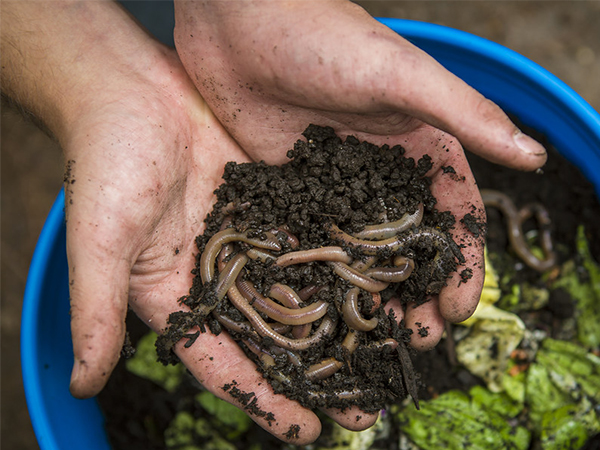
When it comes to quiet contributors in our ecosystem, earthworms deserve far more credit. These humble creatures are essential to soil health, plant growth, and overall garden vitality. Whether you're maintaining a backyard garden or managing a large landscape, earthworms act as natural soil engineers, making them invaluable allies for gardeners and the environment.
This updated guide explains why earthworms are vital to healthy soil and offers practical, eco-friendly ways to attract more of them to your garden.
Why Earthworms Matter in Your Garden
Earthworms are silent soil architects, transforming ordinary garden beds into thriving ecosystems. By supporting their natural role—rather than relying solely on synthetic fertilizers or chemicals—we create healthier landscapes that benefit plants, pollinators, and the environment.
Next time you spot an earthworm wriggling through the soil, take a moment to appreciate its role in cultivating a greener, more resilient garden.
This updated guide explains why earthworms are vital to healthy soil and offers practical, eco-friendly ways to attract more of them to your garden.
Why Earthworms Matter in Your Garden
-
Natural Soil Aeration & Structure
Earthworms act as miniature tillers, creating tunnels that help air, water, and nutrients travel deeper into the soil. This reduces compaction, improves drainage, and supports strong root systems—especially beneficial in clay or densely packed soil. -
Powerful Nutrient Cycling
Feeding on leaves, plant debris, and organic matter, earthworms break down these materials and return them to the soil as nutrient-rich castings. These castings contain beneficial microbes and slow-release nutrients that improve soil fertility without the need for synthetic fertilizers. -
Improved Water Retention
Earthworm tunnels help soil absorb and retain moisture more efficiently, reducing runoff and supporting plants during hot, dry weather. Their presence can help gardens remain resilient during drought and temperature shifts. -
Natural pH Balancing
As earthworms process organic material, they help stabilize soil pH, making growing conditions more favorable for a wide range of plants. -
Indicators of Soil Health
An abundant earthworm population is a sign of healthy, biologically active soil. Low numbers may indicate compaction, poor organic matter levels, or chemical contamination.
-
Reduce Chemical Use
Pesticides, herbicides, and synthetic fertilizers can harm earthworm populations and disrupt soil ecosystems. Opt for organic lawn care, targeted treatments, or natural pest control methods instead. -
Add Organic Matter Regularly
Earthworms thrive on compost, grass clippings, shredded leaves, aged manure, and mulch. Build soil naturally by top-dressing beds each season. -
Mulch to Protect Soil
Mulch helps regulate soil temperature, retain moisture, and provide a food source as it breaks down. Organic options like wood chips, straw, and leaf litter work best. -
Minimize Soil Disturbance
Excessive tilling destroys earthworm tunnels and exposes them to predators. Switch to no-till or low-till gardening, using tools only when necessary. -
Provide Shelter & Habitat
Logs, rocks, and brush piles offer protection from predators and extreme temperatures, creating stable microhabitats where earthworms can thrive. -
Maintain Consistent Moisture
Earthworms need damp soil to survive. During dry months, water deeply rather than frequently to support soil hydration without over-saturating the soil. -
Plant Native & Deep-Rooted Species
Native plants support richer soil ecosystems and create deep channels that earthworms use to move and feed. -
Reduce Soil Compaction
Heavy foot traffic and equipment compact soil particles, making it difficult for earthworms to burrow. Add pathways or stepping stones to protect beds.
Earthworms are silent soil architects, transforming ordinary garden beds into thriving ecosystems. By supporting their natural role—rather than relying solely on synthetic fertilizers or chemicals—we create healthier landscapes that benefit plants, pollinators, and the environment.
Next time you spot an earthworm wriggling through the soil, take a moment to appreciate its role in cultivating a greener, more resilient garden.