
Exercise Needs Vary Widely Among Pets
Regular exercise is crucial for pets’ health and happiness, but there isn't a one-size-fits-all routine. Different species, breeds, ages, and personalities require tailored activity plans to stay fit and mentally engaged. Understanding these differences helps owners provide the right balance without overdoing or underdoing it.
Tailoring Activity for Dogs
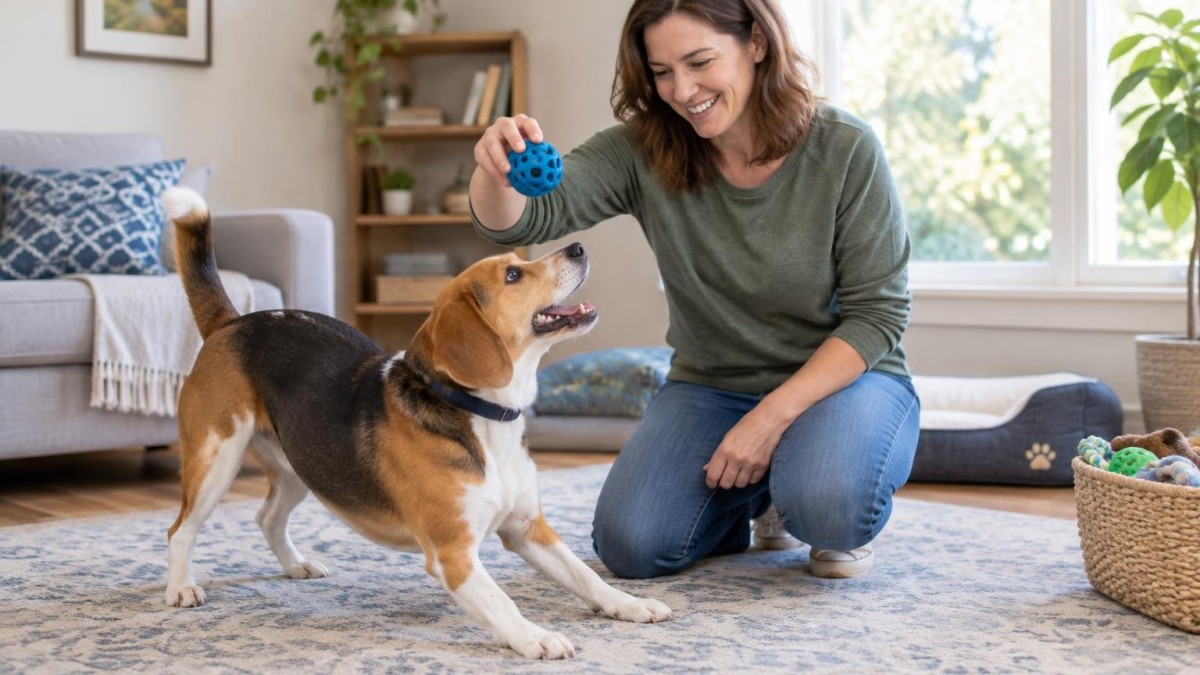
Dogs generally benefit from daily exercise, yet requirements differ greatly. Small breeds may manage well with 30–60 minutes split into short sessions, enjoying walks, fetch, or gentle play. Some small working breeds need more stimulation and longer activity. Medium-sized dogs, like Beagles, often require about an hour daily, combining walks with interactive games, while large active breeds such as Labradors might enjoy 90 minutes or more including hiking or swimming.
Puppies should have plenty of short, playful activity but avoid long, high-impact exercise during growth. Senior dogs need gentle, low-impact movement to maintain mobility, with attention to signs of discomfort or fatigue. Mental exercise is equally important; sniffing walks, puzzle toys, and training deliver valuable stimulation beyond physical activity.
Engaging Cats Through Play
Cats thrive on short, frequent play sessions that mimic hunting behavior. Using toys like feather wands, balls, and puzzle feeders can encourage stalking, chasing, and pouncing. Providing cat trees and climbing spaces supports stretching and movement, particularly for indoor cats. When using laser pointers, finishing with a tangible reward helps prevent frustration. Safe, supervised outdoor experiences can add enrichment for some cats.
Small Mammals and Birds Need Space and Enrichment
Small pets like rabbits, guinea pigs, hamsters, and ferrets must have ample room to move and explore beyond tiny cages. Rabbits benefit from secure, larger areas with toys and digging spots. Guinea pigs need flat, spacious environments and natural foraging opportunities. Hamsters enjoy burrowing space and solid exercise wheels, while ferrets require supervised playtime with tunnels and toys in escape-proof areas.
Pet birds, particularly those that can fly, require safe spaces to stretch wings and climb. Flight supports their physical health but must be managed carefully indoors. Foraging toys and climbing structures provide valuable mental and physical stimulation, tailored to each species with advice from avian veterinarians.
Signs Your Pet Needs More or Less Activity
Look for cues like weight changes, boredom, restlessness, excessive panting, limping, or unusual fatigue to gauge if exercise routines need adjustment. Stop activities if pets show distress or breathing difficulties and consult a vet for health-related exercise limits. Regular, consistent activity is generally more beneficial than occasional intense sessions.
Making Exercise a Daily Habit
Integrate movement and mental challenges seamlessly into daily life: multiple short walks and playtimes for dogs, brief interactive sessions for cats, and enriched, safe environments for small pets and birds. Seasonal weather and health changes also require activity modifications to keep pets comfortable and safe.
Focusing on your pet’s individual needs and preferences ensures exercise supports not only fitness but also their natural behaviors and well-being. By observing and adapting over time, you can help your pet enjoy a vibrant, healthy life every day.
Newsletter Station provides professionally written, ready-to-send newsletters customized for your market and brand.
EXPLORE NEWSLETTER OPTIONS