
FEATURE ARTICLE
Unlocking Flavor: The Art of Infused Oils and Vinegars for Creative Cooking
Nov 26, 2025
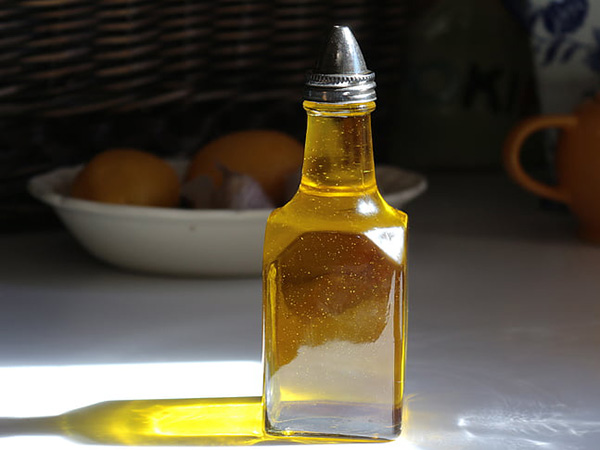
Innovation and creativity remain essential to crafting memorable dishes in today's culinary landscape. While classic herbs and spices will always play a role in building flavor, infused cooking oils and vinegars offer a powerful—and often overlooked—way to elevate everyday meals. These versatile condiments bring rich, layered taste profiles that can turn simple ingredients into restaurant-worthy creations.
By incorporating just a few infused oils or vinegars into your pantry, you can effortlessly enhance marinades, dressings, sautés, and even cocktails, giving home-cooked meals a fresh, modern twist.
Exploring the Art of Infusion
Infusion is the process of steeping or heating flavorful ingredients—such as herbs, spices, aromatics, fruit peels, or dried chiles—into a base oil or vinegar. Over time, these ingredients release their natural essences, creating a balanced and aromatic blend.
The flavor possibilities are nearly limitless. Think roasted-garlic olive oil for comforting pasta dishes, chili-lime vinegar for bold seafood marinades, or rosemary-citrus oil drizzled over roasted potatoes. With a bit of experimentation, you can tailor combinations to suit seasonal menus, dietary needs, or personal taste.
How to Make Infused Cooking Oils
Infused oils bring depth to salads, pasta, grilled proteins, and finishing drizzles. Here’s how to create your own:
How to Make Infused Vinegars
Infused vinegars add brightness and acidity to sauces, vinaigrettes, marinades, pickled vegetables, and even beverages.
Creative Ways to Use Infused Oils & Vinegars
Try adding infused blends to:
A Flavorful Culinary Journey
Infused oils and vinegars are more than pantry staples—they’re tools for creative expression in the kitchen. With a few base ingredients and thoughtful combinations, you can craft flavors that surprise, delight, and elevate any meal. Start with what you love, experiment boldly, and let your taste buds guide you.
By incorporating just a few infused oils or vinegars into your pantry, you can effortlessly enhance marinades, dressings, sautés, and even cocktails, giving home-cooked meals a fresh, modern twist.
Exploring the Art of Infusion
Infusion is the process of steeping or heating flavorful ingredients—such as herbs, spices, aromatics, fruit peels, or dried chiles—into a base oil or vinegar. Over time, these ingredients release their natural essences, creating a balanced and aromatic blend.
The flavor possibilities are nearly limitless. Think roasted-garlic olive oil for comforting pasta dishes, chili-lime vinegar for bold seafood marinades, or rosemary-citrus oil drizzled over roasted potatoes. With a bit of experimentation, you can tailor combinations to suit seasonal menus, dietary needs, or personal taste.
How to Make Infused Cooking Oils
Infused oils bring depth to salads, pasta, grilled proteins, and finishing drizzles. Here’s how to create your own:
-
Choose a Base Oil
Extra-virgin olive oil is a popular choice, but neutral options like grapeseed, avocado, or sesame oil pair well with Asian or Latin-inspired flavors. -
Select Flavor Add-Ins
Fresh herbs (rosemary, thyme, basil), whole spices (peppercorns, cumin seeds), and aromatics (garlic, shallot, citrus zest, sun-dried tomatoes) all work well. -
Blend and Steep
Place ingredients in a sanitized, completely dry glass bottle or jar. Cover with oil and seal tightly. Steep for 3–14 days, depending on intensity. -
Strain and Store Safely
Once infused, strain through cheesecloth and store in a cool, dark place. Refrigerate oils containing fresh produce, such as garlic or citrus, to reduce spoilage risk.
How to Make Infused Vinegars
Infused vinegars add brightness and acidity to sauces, vinaigrettes, marinades, pickled vegetables, and even beverages.
-
Choose a Base Vinegar
Red wine vinegar adds richness, white wine vinegar offers light acidity, apple cider vinegar brings fruitiness, and balsamic adds sweetness. -
Choose Flavor Profiles
Use herbs, citrus peels, berries, dried fruit, pepper flakes, lavender, thyme, or even edible flowers. -
Combine and Steep
Add ingredients to a clean glass container and pour vinegar over the top. Seal and steep 1–4 weeks. -
Strain and Store
Strain, rebottle, and store in a cool pantry away from heat and sunlight.
Creative Ways to Use Infused Oils & Vinegars
Try adding infused blends to:
- Drizzle rosemary-garlic oil over roasted vegetables or grilled steak
- Brighten seafood or grain bowls with citrus-ginger vinegar
- Add heat to stir-fries using chili-sesame oil
- Sweeten salads with fig-vanilla balsamic
- Use infused oils as bread-dipping appetizers for entertaining
- Mix vinegar into mocktails and cocktails for a gourmet twist
A Flavorful Culinary Journey
Infused oils and vinegars are more than pantry staples—they’re tools for creative expression in the kitchen. With a few base ingredients and thoughtful combinations, you can craft flavors that surprise, delight, and elevate any meal. Start with what you love, experiment boldly, and let your taste buds guide you.