
Why Proper Pruning Matters
Pruning isn’t just about keeping trees looking neat—it's essential for their health, safety, and structural soundness. Done correctly, pruning encourages strong growth and helps prevent diseases. But many gardeners unknowingly cause harm by pruning improperly or at the wrong time.
Common Mistakes to Avoid
Over-Pruning Can Weaken Trees
Cutting back too many branches stresses a tree and limits its ability to make food through photosynthesis. This over-pruning often results in weak, fast-growing shoots called water sprouts that are vulnerable to storm damage and pests. As a rule, avoid removing more than 20–25% of a tree's live growth in one season. Focus on taking out dead, damaged, or crossing branches instead. When unsure, pruning less is safer.
Prune at the Right Time
Timing plays a big role in a tree’s recovery after pruning. Most trees heal best when pruned in late winter or early spring while dormant. Pruning during active growth can cause unnecessary sap loss and attract pests. Some trees require special timing:
• Maples and birches can “bleed” if pruned too early in spring.
• Oaks should be pruned only in dormant months to avoid oak wilt disease.
Use Correct Cutting Techniques
Bad cuts—jagged or flush against the trunk—damage trees and slow healing. Always cut just outside the branch collar, where the branch connects to the trunk, to help the tree seal wounds naturally. Avoid leaving stubs that rot or cutting too close to the trunk. Use sharp, sanitized tools and for large branches, apply the three-cut method to prevent bark tearing.
Assess Tree Health First
If a tree is already stressed by fungus, pests, or poor nutrients, pruning can make problems worse. Before cutting, improve soil quality, adjust watering, or treat pests. When in doubt, consult a certified arborist to evaluate the tree’s condition.
Prioritize Safety During Pruning
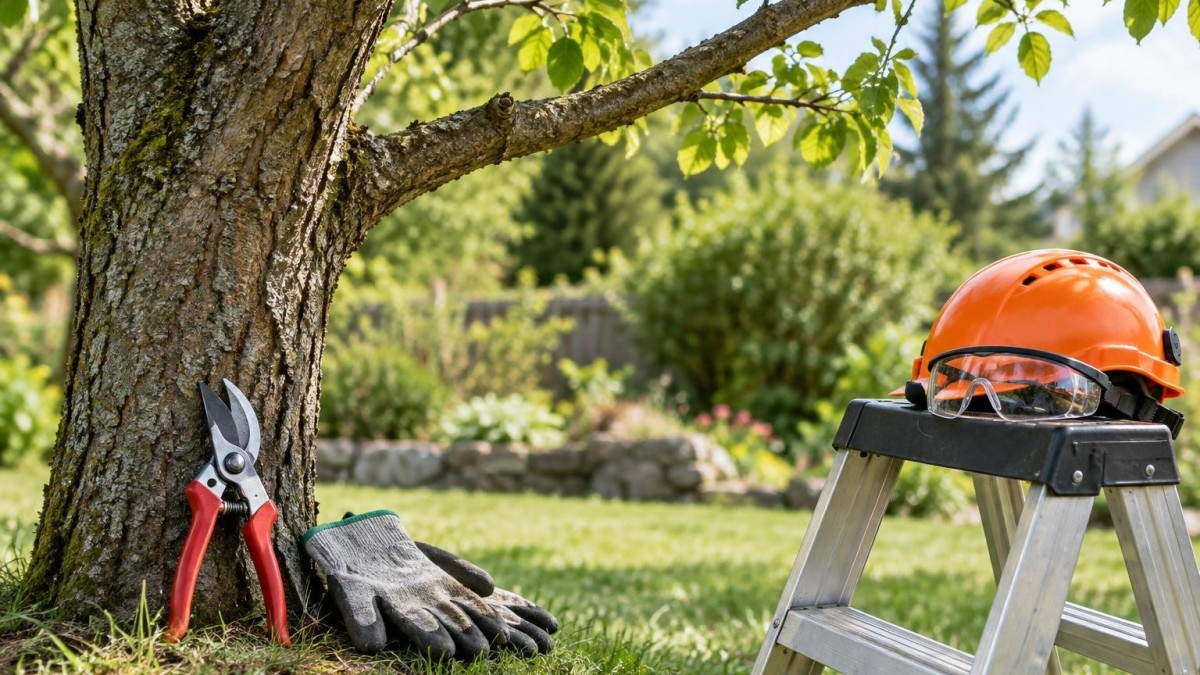
Pruning can be dangerous. Always wear gloves, eye protection, and a helmet. Ensure ladders are stable and keep others clear of the work area. Never prune near power lines, and avoid attempting big cuts alone or without proper equipment. Hiring a professional arborist is a wise choice when safety is a concern.
Consider Species-Specific Needs
Not all trees respond the same way to pruning. Techniques that benefit one species might harm another. For example:
• Fruit trees often need annual pruning to boost fruit production.
• Flowering trees that bloom on old wood should be pruned after flowering.
• Evergreens usually require minimal pruning and may not tolerate heavy cutting.
Understanding each tree’s growth habits ensures pruning supports its long-term health and natural shape.
Healthy Trees Start With Thoughtful Pruning
Proper pruning strengthens your trees, enhances their appearance, and helps them thrive for years. By avoiding over-pruning, choosing the right timing and cuts, staying safe, and respecting each species’ unique needs, you'll foster a healthier and more resilient landscape. When unsure, working with a professional arborist can provide expertise tailored to your trees’ specific care requirements.
Newsletter Station provides professionally written, ready-to-send newsletters customized for your market and brand.
EXPLORE NEWSLETTER OPTIONS