
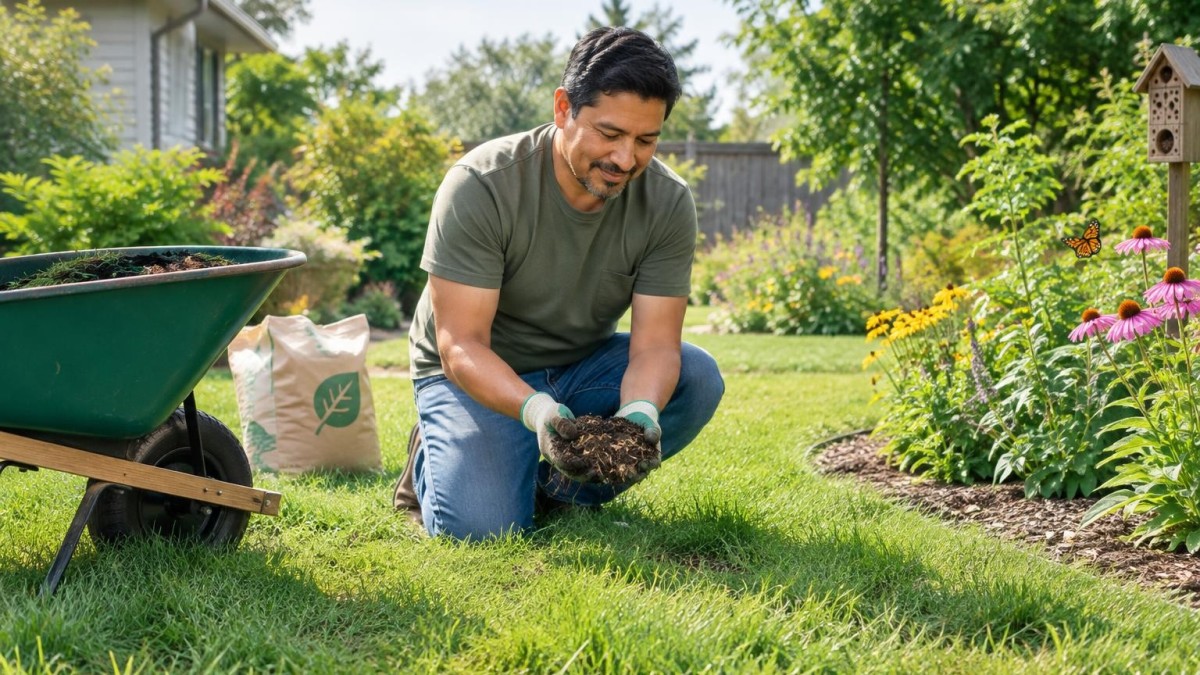
The Environmental Costs Hidden in Lawn Care
A beautifully maintained lawn is a source of pride for many homeowners and a classic feature of suburban life. Yet, achieving that perfect green look often involves products that can harm the environment. Fertilizers and pesticides, while effective for lawn upkeep, can cause lasting damage to nearby ecosystems, wildlife, and even human health.
Fertilizers: Balancing Growth with Environmental Care
Fertilizers provide essential nutrients to grass but when overused, they lead to runoff of nitrogen and phosphorus into waterways. This runoff fuels algal blooms that deplete oxygen in lakes and rivers, putting fish and aquatic life at risk through a process called eutrophication.
Many synthetic fertilizers are derived from fossil fuels and release nitrous oxide, a greenhouse gas far more potent than carbon dioxide. Frequent use may disrupt soil health by reducing microbial diversity and increasing carbon emissions. Improving soil quality through organic methods lessens the need for fertilizers over time and supports a more sustainable lawn.
Pesticides: Protecting Grass but Threatening Nature
While pesticides help control pests, weeds, and diseases, their impact often extends beyond lawns. Chemicals can persist in soil, pollute water, and affect non-target species. Pollinators like bees, vital for many crops, are particularly vulnerable to certain pesticides, contributing to their decline.
Beneficial insects, such as butterflies and predatory bugs, also suffer unintended harm. Additionally, human exposure to some pesticides has been linked with respiratory and neurological issues. Persistent chemicals disrupt ecosystems, reduce biodiversity, and upset natural food chains.
Eco-Friendly Alternatives for Lawn Care
Maintaining a healthy lawn doesn’t require harsh chemicals. Sustainable strategies include:
- Using organic or slow-release fertilizers and testing soil to tailor nutrient needs
- Leaving grass clippings on the lawn to naturally recycle nutrients
- Applying integrated pest management, focusing on prevention and targeted treatment
- Introducing beneficial insects and natural predators instead of widespread pesticide use
- Designing landscapes with native plants, drought-resistant grasses, or pollinator meadows to reduce chemical reliance
- Mowing grass higher to shade soil, reduce weeds, and improve lawn resilience
Rethinking Lawn Beauty
Sustainable lawns encourage a broader view of beauty that includes ecological health. Incorporating mixed plant beds or naturalized areas supports wildlife like bees and birds, enhances soil life, and cuts down on maintenance demands.
Simple actions such as letting some lawn zones grow wild or planting native ground covers can make a difference in your backyard’s ecosystem.
Making Greener Choices for a Sustainable Lawn
You can enjoy an attractive, healthy lawn while protecting the environment. Choosing organic fertilizers, limiting chemical applications, and adopting eco-conscious landscaping help safeguard water quality, support biodiversity, and foster a greener future—one yard at a time.
Newsletter Station provides professionally written, ready-to-send newsletters customized for your market and brand.
EXPLORE NEWSLETTER OPTIONS