
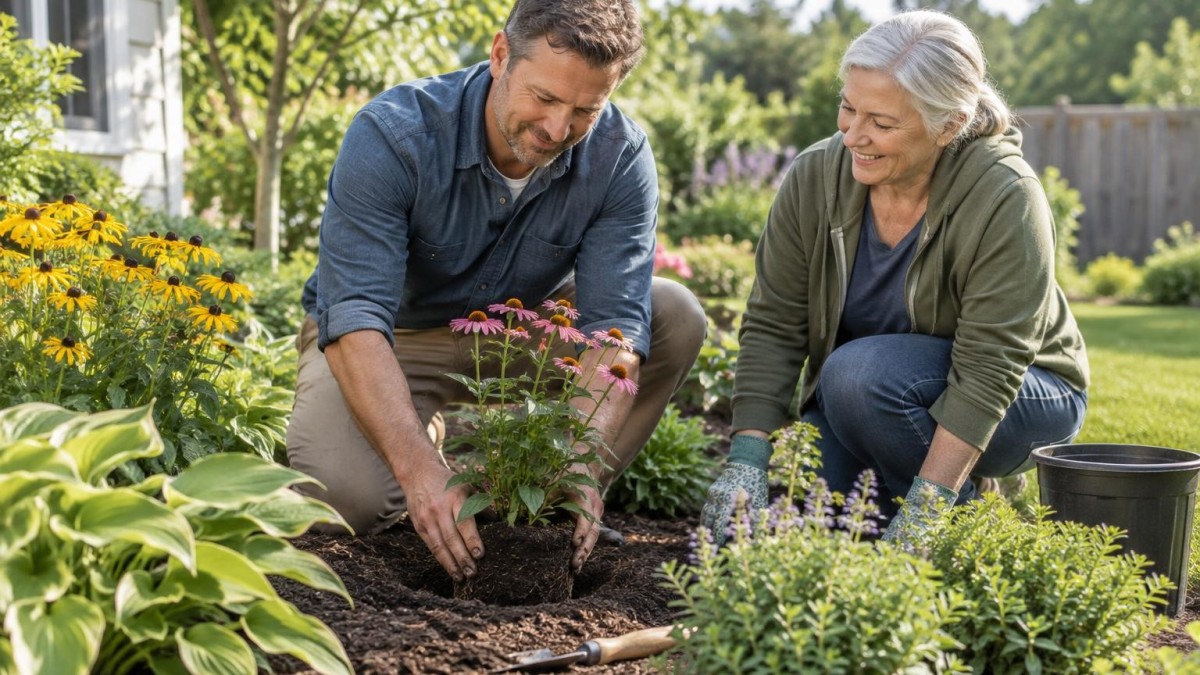
Understanding Your Landscape
Choosing the ideal plants for your outdoor space is a key step to crafting a landscape you’ll enjoy for years. Plants aren’t just decoration—they bring structure, personality, and life to any setting, whether it’s a large yard, a quaint courtyard, or even a balcony garden. With so many choices available, narrowing down the right plants might seem challenging, but a thoughtful approach makes the process manageable and rewarding.
Evaluate Your Site’s Conditions
Start by taking a close look at the conditions in your landscape. Factors like sunlight, soil type, climate, and available space all influence which plants will thrive.
Sunlight: Observe how much direct or indirect sun different parts of your yard get. Matching plants to full sun, partial shade, or full shade areas is crucial for their health.
Soil: Determine if your soil is sandy, clayey, or loamy, as this affects water drainage and nutrient availability. Knowing your soil helps in picking plants with similar soil preferences.
Climate: Identify your USDA hardiness zone or equivalent, and consider local weather patterns. Select plants suited to your region’s temperature ranges and seasonal changes.
Space: Measure planting areas and research the expected mature size of potential plants. Avoid overcrowding by allowing enough room for growth.
Clarify Your Goals and Style
Think about what you want your landscape to do and how it should look. Are you aiming for vibrant color, privacy, attracting pollinators, or low upkeep?
Aesthetic preferences: Decide on a style that speaks to you—be it natural, modern, tropical, or cottage-inspired—and pick plants that fit that theme.
Functionality: Do you want the landscape to provide shade, reduce noise, or yield edible fruits and herbs? Let these purposes guide your plant choices.
Maintenance: Be realistic about the time and effort you can invest. Native and drought-tolerant plants often require less watering and care.
Research and Select Plants Thoughtfully
With a clear understanding of your site and goals, explore plant options that complement each other and your environment.
Native plants: These typically adapt well to local conditions, need fewer resources, and support local wildlife.
Seasonal interest: Combine plants that bloom or display attractive foliage in different seasons to keep your garden engaging year-round.
Growth habits: Consider how quickly plants grow and their spread to ensure they fit well together without crowding.
Compatibility: Group plants with similar water, sunlight, and soil needs, and mix textures and colors to create visual appeal.
Be Flexible and Learn
Remember, landscaping is a dynamic process. Don’t hesitate to adjust your selections, experiment with new plants, and tweak your design as you discover what thrives and pleases you most.
By carefully assessing your space, understanding your desires, and choosing plants with care, you can build a landscape that’s not only beautiful but also sustainable and truly your own.
Newsletter Station provides professionally written, ready-to-send newsletters customized for your market and brand.
EXPLORE NEWSLETTER OPTIONS