
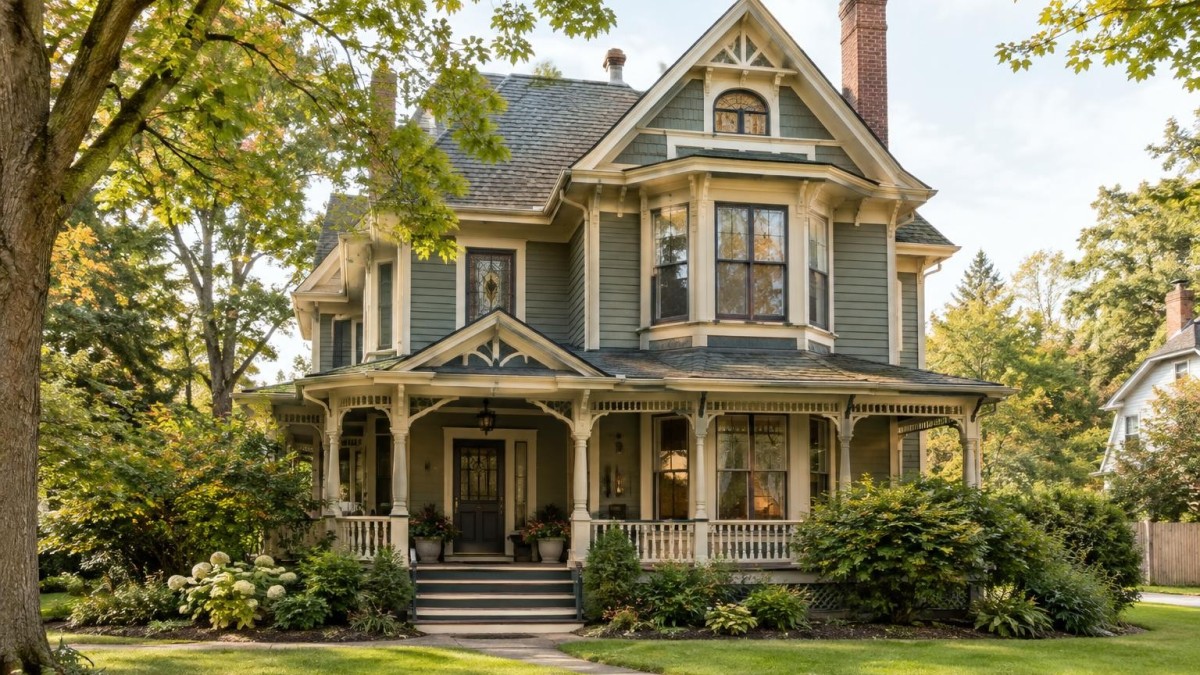
Owning an older home means preserving a unique blend of history, character, and architectural craftsmanship. These homes, rich with charm and detail, require a special approach when it comes to insurance, as their needs often differ from modern properties.
Know Your Home’s History and Condition
Before shopping for insurance, gather information about your home's past. Look into historical records, prior insurance claims, and any renovations that have occurred. Understanding its history helps insurers and you identify potential risks or vulnerabilities. Because older homes often have aging electrical systems, outdated plumbing, or structural issues, a professional inspection is typically necessary. Addressing problems like obsolete wiring or leaks ahead of time can reduce risks and sometimes lower your premiums.
Policy Choices: Replacement Cost and Specialized Coverage
Market value for older homes doesn’t always reflect the true cost of rebuilding. The unique materials—such as custom woodwork, plaster walls, and stained glass—can be expensive to replace. Opting for a replacement cost policy ensures coverage accounts for the real expense of restoring your home to its original state. Additionally, many insurers offer endorsements or riders that specifically protect historic features and antiques, which standard policies might not fully cover. Discuss these options with your insurer to safeguard all special elements.
Mitigating Risks and Understanding Local Regulations
Older homes often face elevated fire and water risks due to their age. Consider upgrading electrical wiring, plumbing, heating systems, and roofing, which can significantly improve safety and insurability. Installing modern fire alarms, water leak sensors, or sprinkler systems provides added protection and can influence premium costs positively. If your home is located in a historic district, be aware of preservation rules that govern repairs and renovations. These guidelines can impact costs and insurance claims, so it’s critical to keep your insurer informed.
Also, be mindful of supplemental policies for natural disasters that standard coverage might exclude, such as flood or earthquake insurance, depending on your home's location.
Choosing an insurer experienced with older and historic homes is essential. They understand the nuances of valuing and protecting these properties and can guide you through tailored coverage options. Proper coverage not only protects your investment but also helps ensure that the unique story and beauty of your home endure for generations.
Newsletter Station provides professionally written, ready-to-send newsletters customized for your market and brand.
EXPLORE NEWSLETTER OPTIONS