
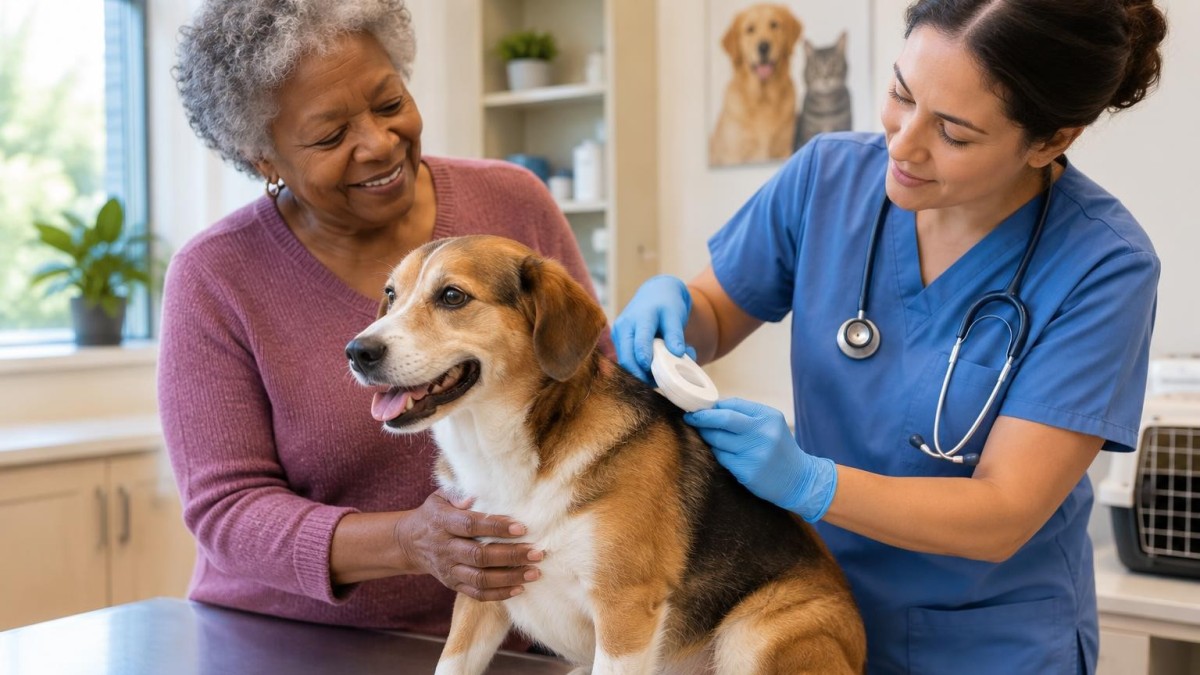
Why Microchipping Matters
Even the most careful pet owners face the risk of their furry friends slipping out of sight. While collars and tags offer visible identification, they can fall off or get damaged. Microchipping provides a permanent, internal form of ID that stays with your pet no matter what, significantly boosting the chances of a safe reunion if they go missing.
Understanding Microchips and Their Advantages
A microchip is a tiny implant, about the size of a grain of rice, placed under your pet’s skin—usually between the shoulder blades. Each chip carries a unique number that shelters, vets, and rescue workers can scan to access your contact information via a secure database. Unlike external tags, microchips don’t require batteries, regular replacement, or maintenance.
Microchips can occasionally shift position or be difficult to detect during scanning, so regular vet visits are recommended to ensure the chip is working properly. Keeping your contact details up to date in the registration database is essential to making the chip effective.
How Microchips Aid in Reuniting Lost Pets
If your pet is found and taken to a shelter or clinic, staff will scan for a microchip to quickly identify you as the owner. This is especially helpful if your pet is far from home or has been missing for some time. While microchipping greatly increases recovery chances, it’s still important to search promptly and notify local shelters if your pet is lost.
Microchipping and Travel Regulations
Different areas have varying rules about microchipping, especially when adopting pets, relocating, or traveling abroad. Some countries or regions require certain types of microchips for customs and health checks. Be sure to consult your vet before trips to meet local regulations and avoid delays.
Microchips Compared to GPS Trackers
Keep in mind, microchips do not track your pet in real time or send alerts if your pet roams. They provide identification only when scanned. For live monitoring, consider pairing microchipping with a GPS tracking collar, which can give you immediate location updates and peace of mind.
Getting Your Pet Microchipped and Registered
The implantation procedure is quick and usually painless, similar to a routine vaccination. Most pets don’t need sedation, and costs vary depending on your vet or adoption facility. Make sure registration is included or completed afterward since this links your contact info to the chip number.
If you adopted your pet, check if it’s already microchipped and ask to have the registration transferred to you. Keeping your information current is crucial, especially if you move or change phone numbers.
Microchipping for Indoor Pets and Extra Precautions
Indoor cats and dogs can slip out unexpectedly, so microchipping them is equally important. Combining microchips with ID tags on collars provides the best chance for a quick return: tags allow strangers to reach you immediately, while microchips act as a dependable backup if the collar is lost.
Maintaining Your Pet’s Microchip
If you’re unsure whether your pet already has a chip, your vet can easily perform a scan. Avoid implanting multiple chips, which can complicate identification. Regularly verify the chip’s function and update your contact details in the registration database to ensure reliable communication.
While microchipping doesn’t replace the need for supervision or secure fencing, it adds a critical layer of security and reassurance. By understanding and maintaining this simple technology, you enhance your chances of bringing your treasured companion home safe and sound.
Newsletter Station provides professionally written, ready-to-send newsletters customized for your market and brand.
EXPLORE NEWSLETTER OPTIONS