
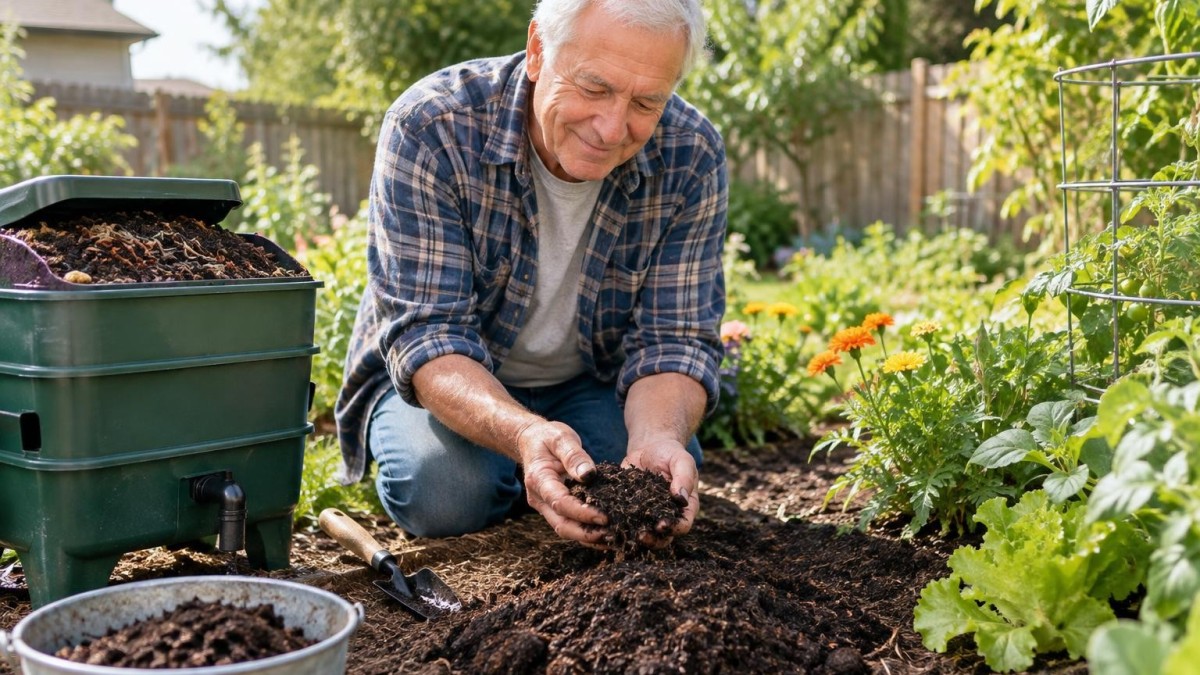
Discover What Worm Castings Are
Worm castings, also called vermicast or worm humus, are the nutrient-rich waste produced by earthworms digesting organic matter. Inside their digestive system, worms break down food scraps with help from enzymes and microbes, resulting in a dark, crumbly, and odorless substance that naturally boosts soil health.
Why Worm Castings Benefit Your Garden
Using worm castings in your landscape and garden can make a big difference. They’re packed with essential nutrients like nitrogen, phosphorus, potassium, calcium, and trace minerals that plants can absorb right away for steady growth. Castings also improve soil structure by loosening compacted areas, increasing aeration, and helping the soil retain moisture effectively.
Additionally, worm castings introduce beneficial microbes that enhance nutrient cycling and strengthen the overall soil ecosystem. They help balance soil pH, keeping it near neutral, which is ideal for most plants. Plus, the microbial diversity found in castings can boost your plants’ resistance to some soil-borne diseases, reducing reliance on chemical treatments.
How to Create Your Own Worm Castings
Starting a vermicomposting system is an eco-friendly way to produce your own “black gold.” Red Wiggler worms are ideal because they thrive in contained environments and efficiently process kitchen scraps. Set up a ventilated bin with drainage and add moist bedding such as shredded paper, cardboard, or coconut coir. Introduce the worms gently, then feed them small amounts of fruit and vegetable peelings, coffee grounds, and crushed eggshells—avoiding citrus, onion, meat, dairy, or oily foods.
Maintain your bin in a shaded spot with temperatures between 55 and 77 degrees Fahrenheit, keeping the bedding damp but not soggy. After two to four months, your worms will have transformed the bedding into rich castings. To harvest, push digested material to one side and add fresh bedding and food to the other—the worms will migrate, making collection easier.
Practical Ways to Use Worm Castings
Once harvested, you can incorporate worm castings in several ways to nurture your plants and soil. Mix 1 to 2 inches into garden beds to enrich the soil, or blend 10–20% with potting soil for container plants to promote robust root development. Brewing worm casting tea by soaking castings in water for a day creates a nutrient-packed liquid you can spray on leaves or pour around roots.
For seedlings, add a small amount to your seed-starting mix to support early growth. You can also use castings as a top-dressing by sprinkling them around established plants, providing a slow, steady nutrient supply throughout the season.
By integrating worm castings into your landscaping and gardening routine, you’re working with nature to build healthier soil and more vibrant plants sustainably. This natural approach helps you reduce chemical inputs while improving plant health and soil vitality—truly turning your garden into a flourishing ecosystem.
Newsletter Station provides professionally written, ready-to-send newsletters customized for your market and brand.
EXPLORE NEWSLETTER OPTIONS