
FEATURE ARTICLE
How Colors and Layout Influence Your Mood: Designing a Home for Emotional Well-Being
Nov 19, 2025
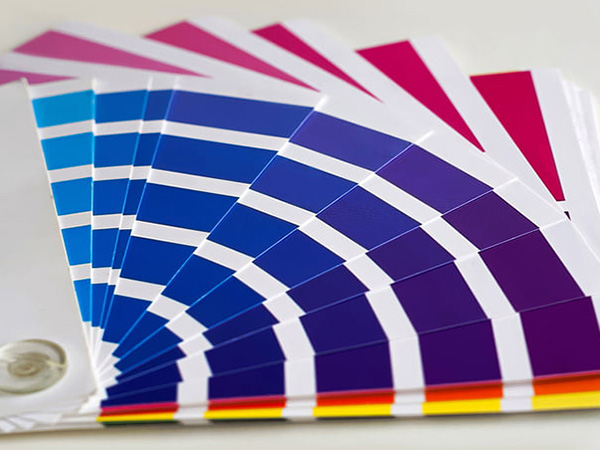
Have you ever entered a room and immediately felt calm, or perhaps energized and alive? The colors, arrangement, and flow of your home influence not just aesthetics, but also your emotions and overall mood. From serene blues in a bedroom to bright yellows in a kitchen, every hue and layout choice can affect how you feel within a space. Thoughtful design can transform your home into a sanctuary that promotes relaxation, energy, or focus, supporting emotional well-being in daily life.
The Psychology of Color
Color psychology examines how different hues impact human behavior and emotions. By strategically selecting colors, you can influence mood, productivity, and even interpersonal interactions. Here are key examples:
The arrangement of furniture andécoror significantly influences your experience in a space. Consider these elements:
To design a home that supports emotional well-being, consider these strategies:
The Psychology of Color
Color psychology examines how different hues impact human behavior and emotions. By strategically selecting colors, you can influence mood, productivity, and even interpersonal interactions. Here are key examples:
- Blue: Associated with calm, peace, and stability, blue is ideal for bedrooms and living areas. Lighter shades promote serenity, while deeper blues create a sense of security and depth.
- Yellow: Bright and cheerful, yellow inspires happiness, optimism, and energy. Perfect for kitchens, dining rooms, or creative spaces, it encourages socialization and positivity.
- Green: Symbolizing nature and renewal, green promotes balance, relaxation, and rejuvenation. Great for bedrooms, offices, or meditation spaces, it supports focus and tranquility.
- Red: A bold color tied to passion, energy, and intensity, red stimulates appetite, making it common in dining areas. Used sparingly, it energizes a space without overwhelming it.
- Neutral Tones: Beige, gray, white, and other neutrals provide a versatile, sophisticated backdrop. These colors foster calm and clarity and highlight other design elements.
The arrangement of furniture andécoror significantly influences your experience in a space. Consider these elements:
- Flow: An open, well-planned layout promotes freedom of movement and reduces stress. Cluttered or cramped areas can create tension and anxiety.
- Functionality: Practical spaces make daily tasks enjoyable. A well-organized kitchen, workspace, or living area encourages efficiency and satisfaction.
- Comfort: Cozy textiles, plush seating, and inviting furniture enhance relaxation, helping you linger in a space longer and feel nurtured.
- Natural Light: Sunlight improves mood by boosting serotonin levels. Maximize natural light by strategically placing furniture, using light-colored window treatments, and incorporating reflective surfaces.
To design a home that supports emotional well-being, consider these strategies:
- Choose colors that reflect the desired mood in each room.
- Plan layouts for comfort, functionality, and smooth flow.
- Add personal touches that bring joy, such as artworkdécoror, or reading nooks.
- Minimize clutter to maintain calm, order, and mental clarity.
- Incorporate natural elements such as plants, wood, and stone to foster a connection with the outdoors.