
Spotting a Chipped Tooth in Your Pet
Our pets can’t tell us when they’re hurt, so it’s important to watch for clues that something’s wrong. If you notice your pet drooling more than usual, pawing at their mouth, struggling to eat, showing bad breath, bleeding, or acting differently, a chipped tooth could be the culprit. These signs mean it’s time to act quickly to avoid further discomfort or infection.
Why You Shouldn’t Try to Fix It Yourself
It might be tempting to look inside your pet’s mouth or try home remedies, but this can do more harm than good. Only a veterinarian has the training and tools needed to assess the damage safely. Self-treatment risks upsetting your pet further or making the injury worse.
Getting Professional Help
Schedule a vet visit as soon as possible. The vet will examine your pet’s teeth and may use dental X-rays to understand the full extent of the injury — sometimes damage isn’t visible on the surface. Depending on how serious the chip is, treatments range from smoothing the tooth, applying dental bonding, or in more severe cases, performing root canals or extractions to prevent pain and infection.
While waiting for the appointment, feed your pet soft foods and avoid hard toys or treats that could aggravate the injury.
Keeping Your Pet’s Teeth Healthy Moving Forward
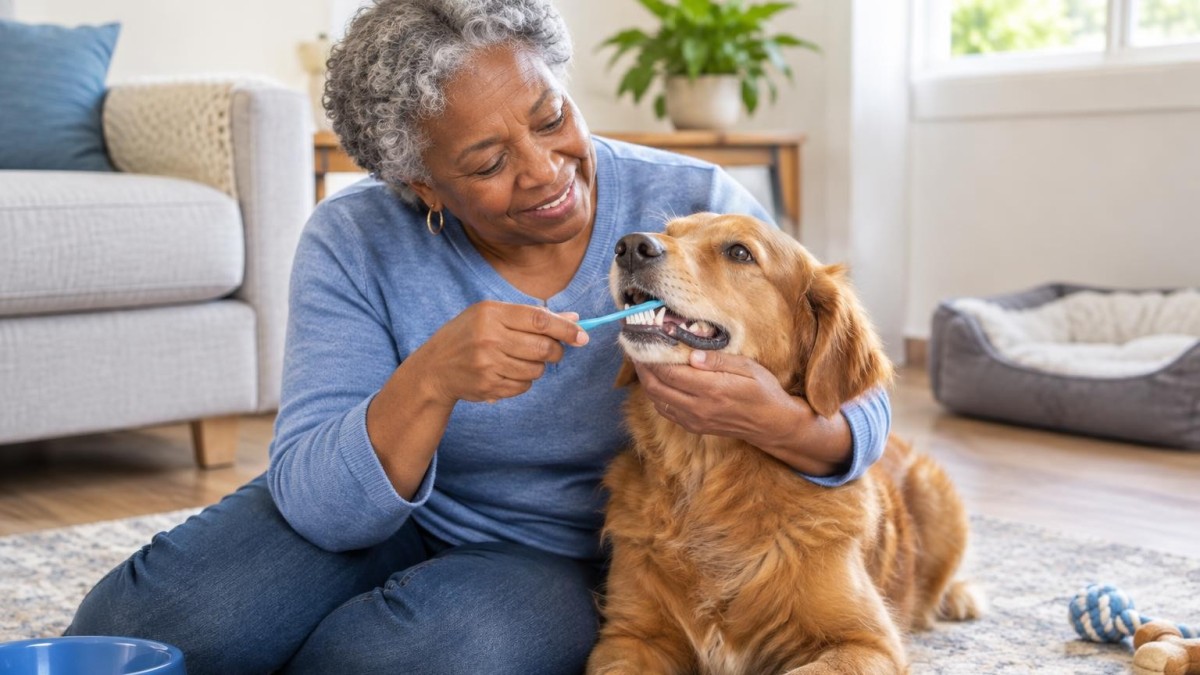
After treatment, maintaining good oral hygiene is crucial. Regular brushing with pet-safe toothpaste, dental checkups, and giving dental-friendly toys and treats help protect teeth and gums. These habits not only prevent future chips but also support your pet’s overall health and happiness.
Being attentive and responding promptly to dental issues keeps your furry friend comfortable and smiling. Remember, healthy teeth are an important part of your pet’s well-being.
Newsletter Station provides professionally written, ready-to-send newsletters customized for your market and brand.
EXPLORE NEWSLETTER OPTIONS