
Why Do We Bite Our Nails?
Nail biting, or onychophagia, is a widespread habit crossing all ages. It often surfaces during moments of stress, anxiety, boredom, or simply as an unconscious nervous tick. Recognizing what prompts this behavior is the first step to overcoming it. Becoming more aware of when and why you bite your nails can help you catch the habit before it happens.
The Hidden Costs of Nail Biting
While it might start as a harmless habit, nail biting carries consequences beyond just having unkempt nails:
- Infections: Constant biting can create tiny openings in your skin or nail beds, making it easier for bacteria and germs to cause infections.
- Nail and Cuticle Damage: This habit can lead to pain, irregular nail growth, and deformed cuticles.
- Dental Problems: Regular nail biting may chip, crack, or even misalign your teeth over time.
- Emotional Effects: Many find themselves embarrassed or self-conscious about their nails, which can dent confidence.
- Spread of Germs: Fingers often carry germs, and biting them increases the chances of introducing these directly into your mouth.
Practical Ways to Quit Nail Biting
Breaking this habit involves understanding triggers and adopting strategies that keep your nails safe and sound:
- Be Mindful: Pay close attention to what situations or feelings lead you to bite. Journaling or simply noting these moments can be helpful.
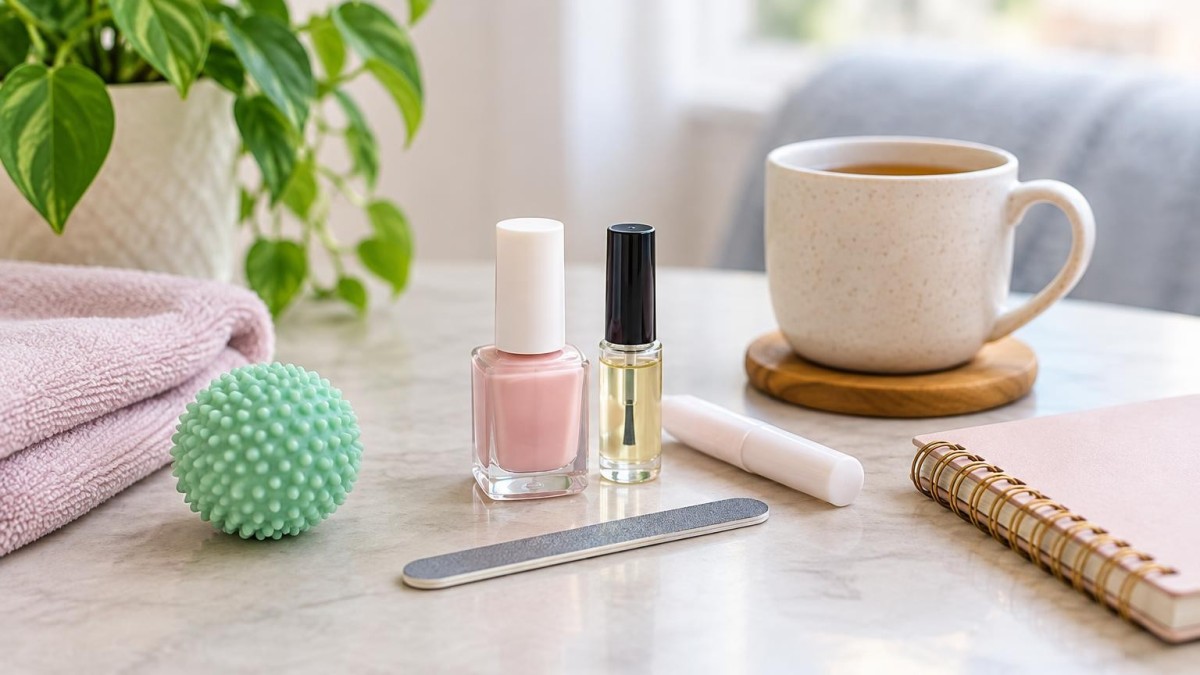
- Distract Your Hands: Use stress balls, fidget toys, or keep your hands busy with hobbies that keep your fingers engaged.
- Keep Nails Short: Trim your nails regularly to minimize temptation and make biting less satisfying.
- Manage Stress: Incorporate relaxing activities like meditation, yoga, or deep breathing to reduce anxiety-related biting.
- Reward Progress: Celebrate milestones by treating yourself for nail-biting-free days or weeks.
- Get Support: Tell friends or family about your goal—they can help keep you accountable.
- Wear Gloves When Possible: This simple barrier can stop unconscious biting especially during activities like watching TV.
- Adopt a Nail Care Routine: Regular moisturizing, applying nail polish, or using bitter-tasting nail products designed to deter biting can make a difference.
- Professional Help: If nail biting is deeply rooted in anxiety or becomes severe, consulting a mental health professional can provide targeted support.
Remember, quitting nail biting is a process that requires patience and persistence. It’s normal to slip up occasionally. Celebrate your progress, stay positive, and focus on the healthier, more confident nail care journey ahead.
Newsletter Station provides professionally written, ready-to-send newsletters customized for your market and brand.
EXPLORE NEWSLETTER OPTIONS