
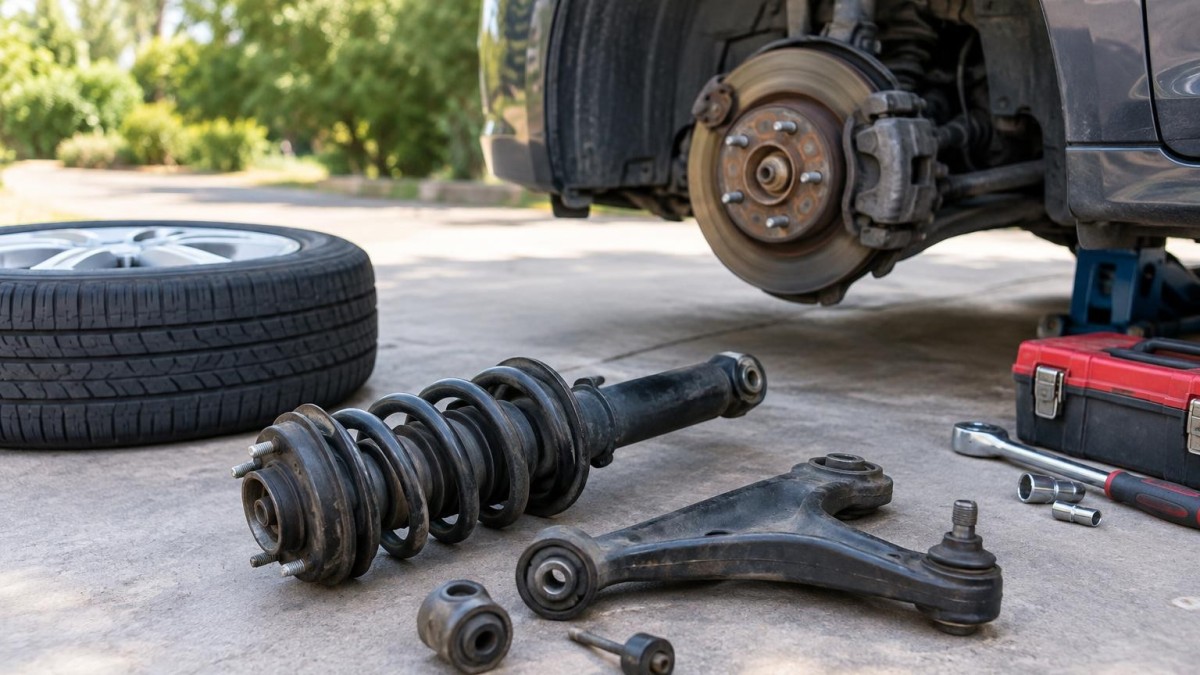
Why Your Suspension Matters
Your car’s suspension isn’t just about a smooth ride—it’s a vital part of your vehicle’s safety and performance. It keeps your tires firmly on the road, absorbs shocks from bumps, and helps maintain control, especially on rough or uneven surfaces. Over time, suspension parts wear out, which can affect both comfort and safety behind the wheel.
Key Signs of Suspension Wear
Uneven Tire Wear: If your tires are wearing unevenly, such as more on one side or the edges, it could mean suspension issues like worn shocks, misalignment, or damaged bushings. Regularly rotating your tires and getting your wheels aligned can catch these problems early and extend tire life.
Excessive Bouncing or Nose Dives: When you notice your car bouncing too much over bumps or dipping forward sharply under braking, worn shocks or struts are often the cause. These parts control your vehicle’s stability; if they fail, handling suffers significantly. A mechanic can perform a simple bounce test to identify trouble.
Pulling or Drifting When Turning: If your car seems to pull to one side on turns or drifts, suspension misalignment or worn components such as control arms or ball joints might be at fault. Steering system wear can also produce these symptoms. Ignoring this can lead to uneven tire wear and reduced control, so have it checked promptly.
Unusual Noises: Clunking, rattling, or squeaking sounds can signal suspension wear—loose bolts, failing bushings, or damaged joints often cause these noises. While lubrication may resolve minor squeaks, persistent sounds call for professional inspection to prevent bigger problems.
Visible Signs of Damage or Fluid Leaks: Look under your car for rust, cracked mounts, or fluid leaks near shocks or struts. Leaking fluid often means a shock seal has failed, reducing your vehicle’s damping ability. If you spot any visible damage or leaks, schedule a professional check immediately.
Maintenance Tips for a Healthy Suspension
Keeping your suspension in good shape improves safety, ride quality, and handling. Most experts suggest having your suspension inspected every 50,000 miles or sooner if you often drive on rough roads. Regular alignment checks, timely shock or strut replacements, and addressing any leaks or noises early can save you from costly repairs down the road.
Your suspension works hard on every drive to keep you comfortable and in control. Paying attention to warning signs like tire wear, bouncing, pulling, or strange sounds ensures a safer ride and helps you avoid unexpected breakdowns. Don’t wait for your vehicle to feel "off"—stay ahead of suspension problems with regular inspections and maintenance.
Newsletter Station provides professionally written, ready-to-send newsletters customized for your market and brand.
EXPLORE NEWSLETTER OPTIONS