
Essential Tools and Initial Setup
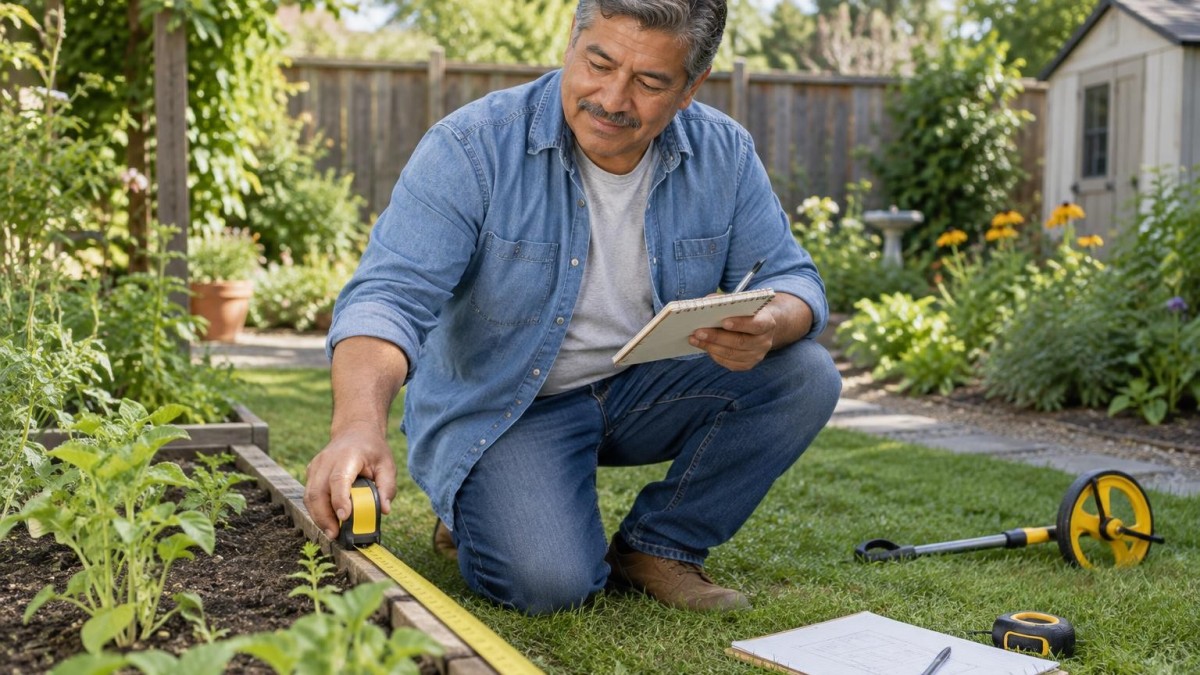
Before you dive into measuring your garden, gather the right equipment. A flexible tape measure works well for most settings, but a measuring wheel is handy for larger spaces. Keep a notepad and pen ready, along with graph paper for sketches. Digital enthusiasts may prefer garden design or mapping apps to assist with calculations and layouts.
Start by selecting a fixed baseline, such as a fence line, building edge, or a sturdy stake. This reference point is crucial to keep your measurements consistent and accurate. Use string or stakes to mark this line clearly.
Measuring Your Space Accurately
If your garden has a straightforward shape, like a rectangle or square, measure its length and width perpendicular to your baseline. For irregular or curved areas, break the space into smaller, simple shapes like rectangles, triangles, or circles. Calculate each area using standard formulas—for example, area of a triangle is half the base times height. For complex layouts, mapping tools like Google Earth can help trace and measure your garden efficiently.
When measuring planting beds, be sure to note length, width, and depth, which help determine soil or mulch requirements and plant spacing. Don’t forget to measure paths and walkways as well, noting their width and length to ensure they’re wide enough for foot traffic or equipment, usually between 2 and 3 feet.
Include any garden structures such as pergolas, gazebos, sheds, or fountains. Accurate measurements of these features, including their heights, are important for planning and understanding their impact on sunlight and shade.
Organizing and Updating Your Garden Plan
Draw a to-scale layout of your garden on graph paper or use digital tools to create a map. Label all sections — beds, paths, structures — along with their dimensions. This visual plan can guide your planting, renovations, or consultations with landscapers.
Technology can simplify your planning with apps like iScape or Planter, which let you experiment with designs and instantly calculate space requirements. These tools often include useful features like plant recommendations and sun exposure tracking.
Gardens change over time, so revisit your measurements annually or before major projects. Keeping your garden map current helps streamline maintenance and future improvements, ensuring you always have a clear, accurate picture of your outdoor space.
Accurate measuring isn’t just a one-time task — it’s the foundation for a well-planned, thriving garden that grows with you. Careful measurement and regular updates set you up for success whether you’re planting, building, or redesigning your landscape.
Newsletter Station provides professionally written, ready-to-send newsletters customized for your market and brand.
EXPLORE NEWSLETTER OPTIONS