
Spotting Drafts and Air Leaks
As outdoor temperatures swing with the seasons, a snug home feels better and costs less to run. Drafts and leaks can sneakily sap your comfort and boost energy bills by letting heated or cooled air slip out. The first step to weatherproofing is pinpointing where that unwanted air enters or escapes. Check typical trouble spots like windows, doors, attic hatches, and areas around plumbing and electrical outlets. On a breezy day, walk around feeling for cool spots or use a flickering candle or incense test to spot leaks.
Simple Sealing and Insulation Upgrades
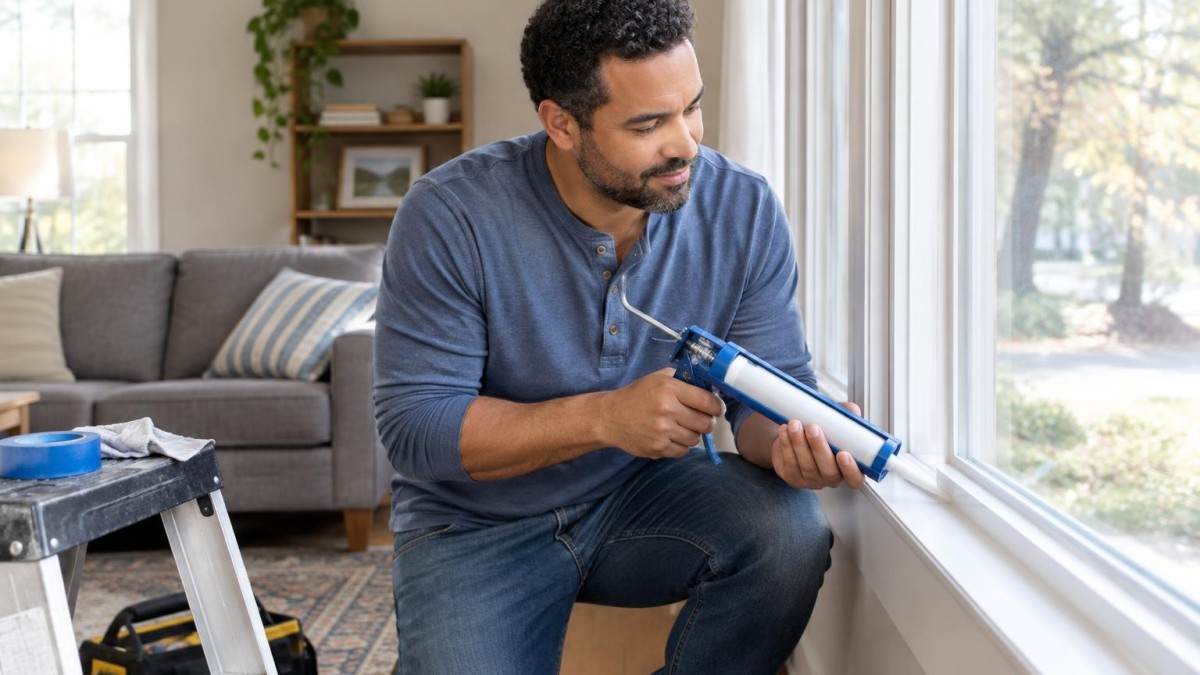
Windows and doors are common draft culprits. Adding weatherstripping around frames blocks small gaps, while caulk or silicone sealant plugs cracks to keep drafts at bay. For extra defense, consider storm windows or thermal curtains in colder months. Insulation also plays a key role, especially in attics where heat loss can be significant. Adding or enhancing insulation with materials like fiberglass or spray foam can smooth out temperature swings and trim your energy use.
Addressing Hidden Leaks and Professional Help
Don’t overlook leaks in less obvious places such as ductwork, electrical outlets, or gaps around pipes. Sealing ducts with mastic and insulating them can prevent up to 30% air loss, while foam gaskets behind outlet covers stop chill sneaking through walls. For persistent drafts or uneven room temperatures, a professional energy audit can identify hidden trouble spots using specialized tools, offering tailored fixes. Taking these steps helps you maintain year-round comfort, lower energy costs, and make your home more eco-friendly.
Newsletter Station provides professionally written, ready-to-send newsletters customized for your market and brand.
EXPLORE NEWSLETTER OPTIONS