
Why Older Homes Attract Pests
Older homes often captivate us with their unique charm, architectural details, and stories embedded in every corner. But these appealing qualities can also come with challenges, especially when it comes to pest infestations. While any home can face unwanted critters, those with age tend to be more vulnerable for several practical reasons.
Wear and Tear Creates Entry Points
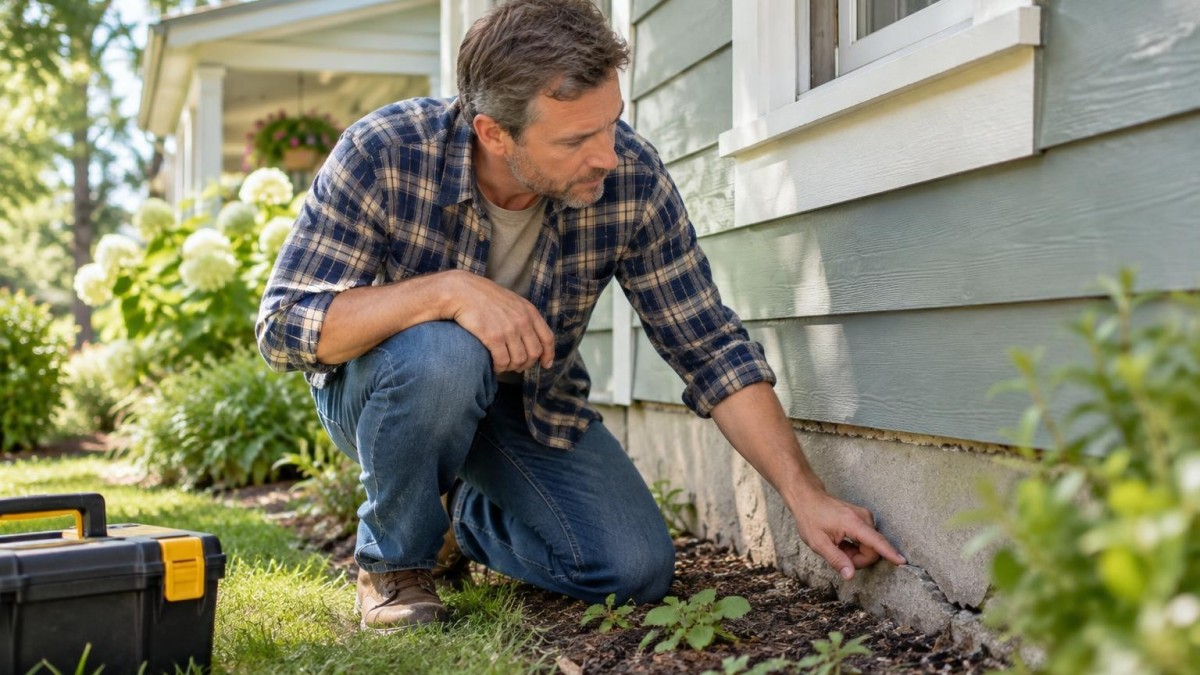
Over time, building materials naturally deteriorate. Foundations may settle and crack, exterior walls and window frames can develop gaps, and doors might no longer seal tightly. These small breaches—sometimes no bigger than a dime—serve as easy access for rodents, insects, and other pests. Sealing cracks and maintaining weatherproofing not only keeps pests out but also improves your home's energy efficiency.
Moisture Problems Invite More Pests
Damp environments are magnets for many pests including termites, cockroaches, and silverfish. Older homes often face moisture challenges due to aging plumbing, leaky roofs, or worn seals. Excess humidity can also lead to mold growth that attracts fungus-loving insects. Regularly checking for leaks, ensuring good ventilation, and using dehumidifiers in moist areas like basements can significantly reduce these risks.
Insulation Gaps and Nesting Spaces
Homes built before modern insulation standards frequently have gaps in attics, crawl spaces, and basements. These cavities not only reduce comfort and waste energy but create cozy nesting spots for rats, squirrels, and insects. Upgrading insulation using pest-deterring materials helps protect your home while enhancing warmth and efficiency.
Deteriorating Wood and Hidden Nooks
Wood elements characteristic of older homes can soften or rot from exposure to moisture and temperature changes — ideal conditions for wood-boring pests like termites or carpenter ants. Regular inspections for damaged wood and promptly repairing or sealing these areas can prevent infestations. Additionally, unique features such as built-in cabinetry, fireplaces, or intricate moldings provide secret hiding places where pests can thrive unnoticed.
Landscaping and Exterior Care Matter
The environment around your home plays a key role. Overgrown plants, clogged gutters, and tree limbs touching your roof offer pests shelter and easy access. Routine trimming, gutter cleaning, and checking for water pooling near foundations help keep these outdoor attractants in check.
Protecting Your Historic Home
While older homes have their vulnerabilities, simple, consistent upkeep makes a major difference. Seal cracks, fix leaks promptly, improve insulation, and schedule regular pest inspections with professionals. Maintaining both your home's exterior and interior helps prevent minor issues from turning into costly pest problems.
With mindful care and modern pest control approaches, you can preserve your home's distinctive character without compromising comfort or safety. Your historic home can remain a welcoming refuge for your family, not for pests.
Newsletter Station provides professionally written, ready-to-send newsletters customized for your market and brand.
EXPLORE NEWSLETTER OPTIONS