
What Are TMJ Disorders?
Your temporomandibular joint (TMJ) connects your jawbone to your skull and acts like a sliding hinge that allows you to chew, speak, and yawn. When this joint or the surrounding muscles and tissues become strained or misaligned, it can cause a set of issues known as TMJ disorders (TMD). Symptoms often include jaw pain, clicking sounds, limited movement, headaches, and even ear discomfort.
Common Causes of TMJ Problems
TMJ disorders arise from various factors, sometimes combining to create pain and dysfunction. Teeth grinding or clenching (bruxism) strains the joint and muscles, often happening during sleep or stress. Misaligned teeth (malocclusion) cause uneven pressure and overwork the joint. Emotional stress can increase muscle tension around the jaw. Arthritis may inflame or damage joint tissues. Trauma such as a jaw injury can also lead to chronic problems.
How Dental Care Supports TMJ Health
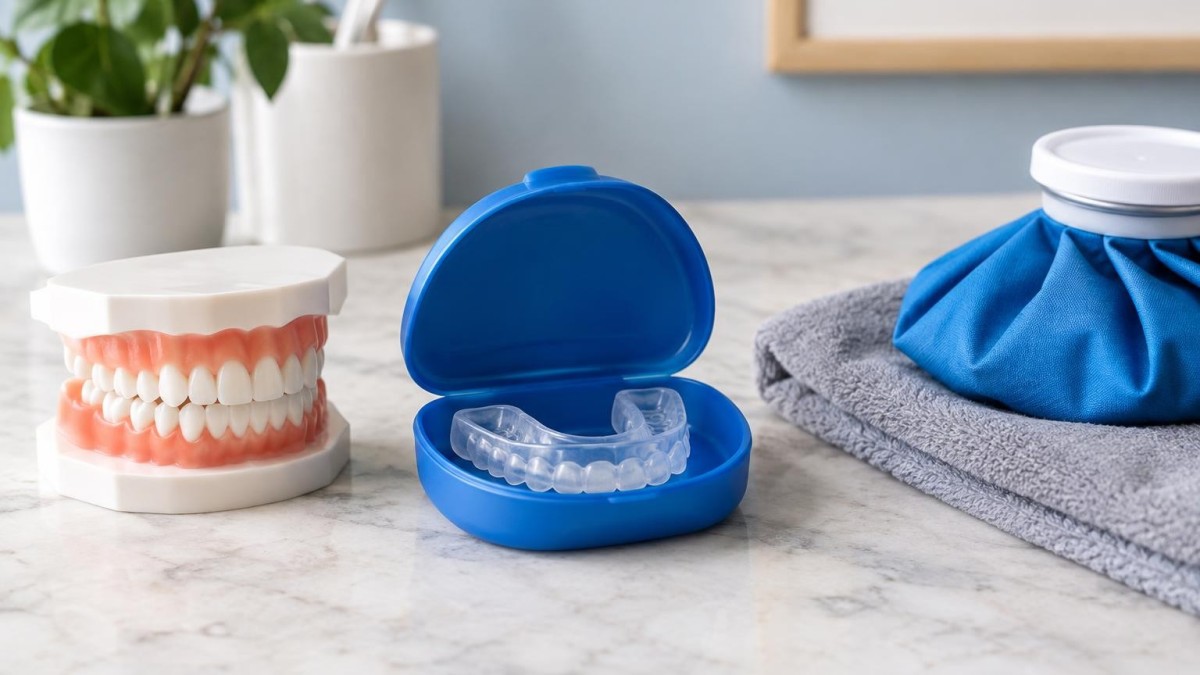
While dental care doesn’t always provide a complete cure for TMD, it plays an essential role in managing symptoms and preventing worsening issues. Regular dental checkups help spot early signs like tooth wear or bite problems that contribute to TMJ stress. Custom night guards can protect your teeth if you grind them and reduce jaw strain. Orthodontic treatments like braces or Invisalign® can correct misaligned bites, easing joint pressure over time.
Besides professional interventions, adopting stress management techniques such as deep breathing or meditation can ease jaw tension. Adjusting eating habits by avoiding tough or chewy foods gives your jaw a rest. Using warm or cold compresses helps soothe sore muscles. In more severe cases, dentists or specialists might recommend physical therapy, medications, or minimally invasive procedures to reduce inflammation and restore joint function.
Preventing TMJ Disorders Through Healthy Habits
Maintaining good posture, especially when working at desks or screens, prevents unnecessary jaw strain. Avoid resting your chin on your hand or clenching your jaw during stressful moments. Daily jaw stretches and relaxation exercises promote muscle flexibility. Staying hydrated and eating a balanced diet with nutrients that support muscle and joint health can also make a difference. Regular dental visits help monitor your oral health and catch potential TMJ concerns early.
Anyone experiencing persistent jaw pain, clicking, or limited movement should consult their dentist or TMJ specialist. Early diagnosis and tailored treatment plans provide the best chance for symptom relief and improved quality of life. With a combined approach of professional care and mindful habits, managing TMJ disorders effectively is within reach.
Newsletter Station provides professionally written, ready-to-send newsletters customized for your market and brand.
EXPLORE NEWSLETTER OPTIONS