
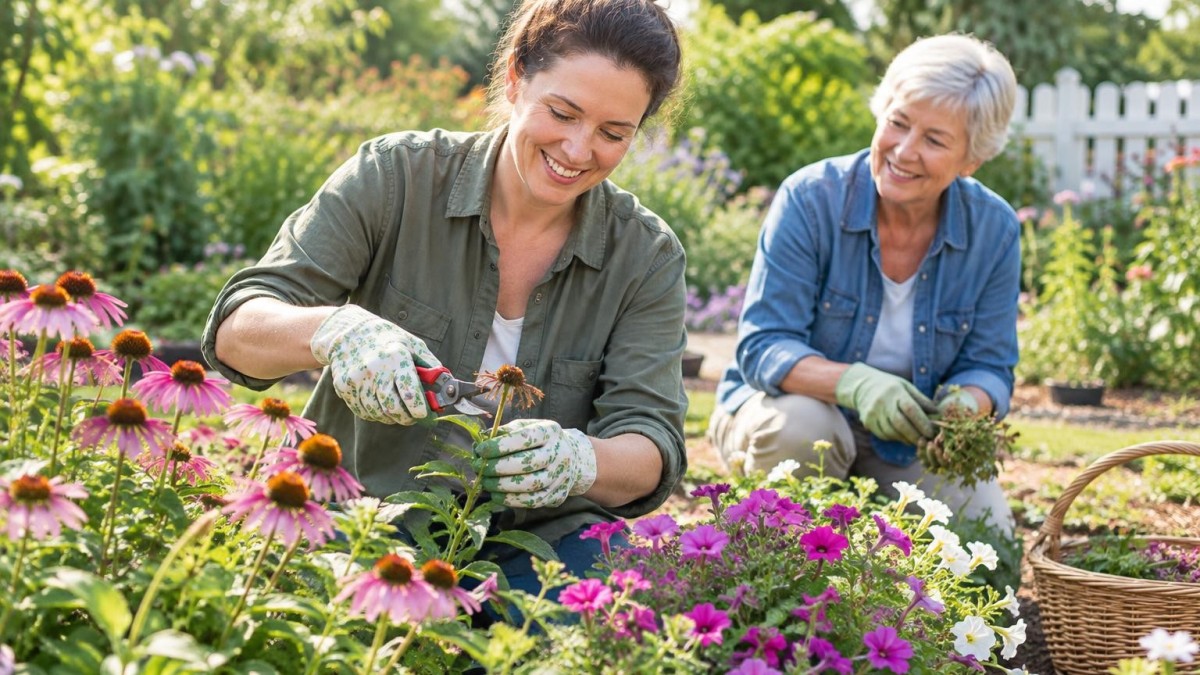
Why Deadheading Enhances Your Garden
Deadheading, the practice of snipping off spent blooms, is a simple yet powerful way to keep your garden vibrant. Removing faded flowers prevents plants from diverting energy into seed production, encouraging them to focus on creating fresh blooms instead. This helps your garden stay lush and colorful throughout the season.
Besides boosting flowering, deadheading tidies up your plants, improving air circulation. This reduces the chance of fungal diseases and keeps your garden looking neat and inviting.
Timing and Techniques for Best Results
For continuous bloomers like petunias, geraniums, and zinnias, check your plants weekly and promptly remove spent flowers. Perennials such as coneflowers and daisies benefit from deadheading after each bloom cycle to invite new blossoms. Roses require a bit more thought—while you’ll want to cut back faded blooms, leaving some to develop hips can add seasonal interest.
When it comes to the technique, lighter stems are best for pinching off faded flowers with your fingers just above a leaf node. For woody shrubs or roses, use sharp, clean pruning shears to make neat cuts near healthy buds. If you’re managing flower clusters like lilacs, selectively remove only wilted blooms to keep the display full. For plants like dahlias, disbudding—removing smaller side buds—can help main blooms grow larger and more striking.
Always clean your tools before and after pruning to keep your plants healthy.
Plant-Specific Deadheading Tips
Different plants respond best to slightly different approaches. For roses, cut back to outward-facing buds to promote balanced growth. Lavender benefits from trimming spent flower spikes along with some stem to encourage bushiness. With daffodils, snap off the faded flowers but keep the foliage intact so bulbs can gather energy for next year. Meanwhile, regular deadheading on geraniums and petunias keeps their color fresh all season.
Benefits That Go Beyond Beauty
Regular deadheading not only extends your plants’ bloom cycles; it reduces overcrowding and lowers pest and disease risks. This simple habit also fosters greater mindfulness as you observe and care for your plants more closely, strengthening your connection to your garden’s rhythms.
While deadheading might seem straightforward, its cumulative benefits are significant. The practice encourages vibrant growth, prolongs flowering, and helps maintain a tidy, thriving garden space that delights from spring through fall. Embrace the rhythm of deadheading to keep your garden blooming beautifully year after year.
Newsletter Station provides professionally written, ready-to-send newsletters customized for your market and brand.
EXPLORE NEWSLETTER OPTIONS