
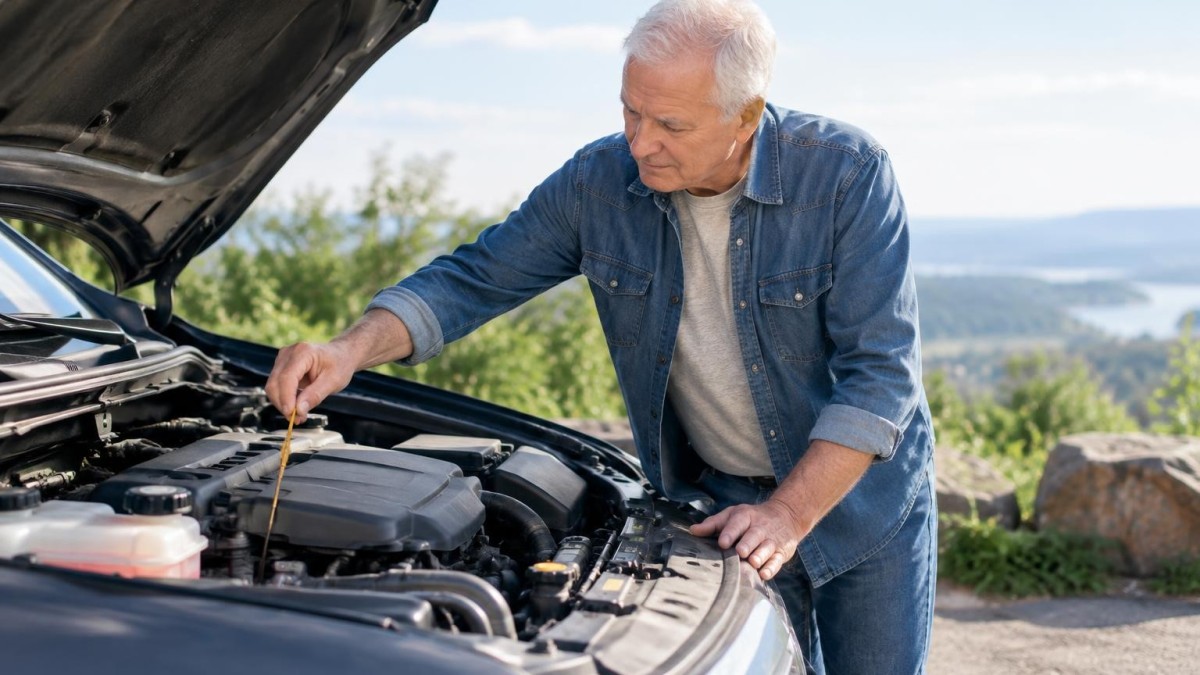
Keep Up with Routine Maintenance
An overheated engine can quickly become a costly problem, but regular maintenance is your best defense. Stick to your vehicle’s service schedule for oil changes, coolant flushes, and inspections. Over time, buildup in the cooling system can reduce its efficiency, making your engine more prone to overheating. Your mechanic can also check essential parts like the radiator, thermostat, and cooling fan during tune-ups to catch issues early.
Monitor Coolant and Cooling Components
Coolant plays a crucial role in keeping your engine temperature stable by absorbing and dispersing heat. Check the coolant level at least monthly or before long drives, topping it up if it falls below the recommended mark. Flushing the coolant every 30,000 to 50,000 miles helps prevent corrosion and blockages in the system. Additionally, inspect belts and hoses regularly for signs of wear, cracks, or leaks — worn parts can cause coolant loss or circulation problems, raising the risk of overheating.
Drive Smart and Watch Your Engine Temperature
Heavy loads and aggressive driving stress your engine and cooling system, especially in hot or hilly conditions. Avoid overloading your vehicle beyond its weight limits and minimize stop-and-go driving during hot weather. Use lower gears on steep inclines to reduce engine strain. Keep an eye on your dashboard's temperature gauge, and if you see it rising toward the red zone, pull over safely and let your engine cool before checking under the hood. Never remove the radiator cap when the engine is hot; wait until it's cool to prevent burns.
Also, make sure your vehicle's grille, radiator, and air vents are clear of debris to ensure proper airflow. A functioning radiator fan is vital—if it isn’t engaging when needed, have it checked promptly to avoid overheating, particularly in traffic or hot climates.
Recognize Early Warning Signs
Steam, unusual smells, or a rising temperature gauge are red flags your engine needs attention. If overheating occurs, turn off the air conditioner, switch on the heater to help disperse heat, and pull over safely. Calling roadside assistance may be necessary if the problem persists.
By staying proactive with maintenance, coolant care, and sensible driving habits, you’ll protect your engine from overheating. A few minutes of prevention can save hours of stress and substantial repair costs, keeping your car reliable and safe for all your journeys.
Newsletter Station provides professionally written, ready-to-send newsletters customized for your market and brand.
EXPLORE NEWSLETTER OPTIONS