
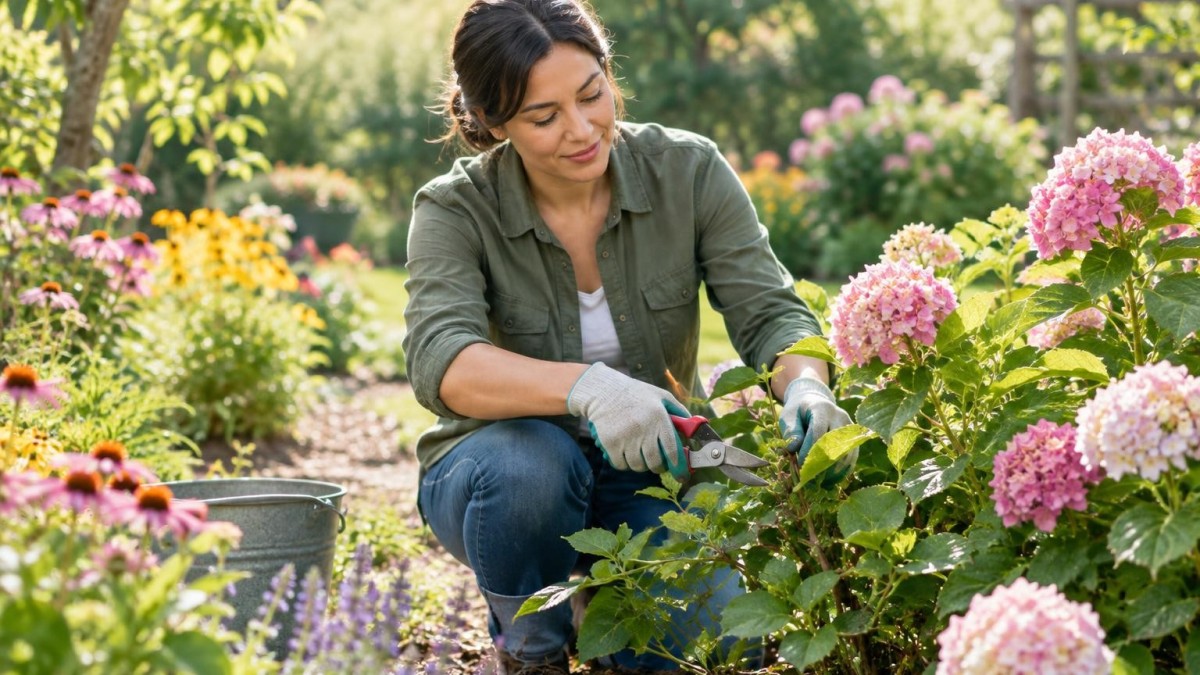
Why Timing Matters for Pruning Flowers
Pruning is an essential gardening skill that can boost your flowers’ health, encourage blooms, and keep plants looking their best. But pruning at the wrong time risks cutting off next season’s flowers or weakening your plants. The key is knowing when your flowers bloom and whether they produce buds on old or new growth.
Prune Spring Bloomers Right After They Flower
Plants that bloom in spring, like lilacs, forsythias, and many azaleas, usually flower on old wood. That means their flower buds formed last year. To avoid losing these buds, prune shortly after the spring flowers fade. Start by removing damaged or dead branches, then thin crowded areas and trim back any unwanted growth to keep a natural shape. Avoid heavy shaping or shearing unless you want a formal hedge.
Handle Summer Bloomers According to Their Type
Summer-flowering plants vary. Many, such as panicle hydrangeas and rose of Sharon, bloom on new growth and benefit from pruning in late winter or early spring before new growth begins. This helps control size and encourages strong stems.
However, some summer bloomers like bigleaf hydrangeas flower on old wood. Pruning these too early can reduce blooms. Roses also differ: repeat-blooming types usually do well with early spring pruning and throughout-season deadheading, while once-blooming climbing roses should be pruned right after flowering. Always check specific plant needs before pruning.
Encourage Fall Bloomers with Early Pinching
Fall-flowering perennials like chrysanthemums and asters can produce fuller plants with more flowers if you pinch back their growing tips in spring and early summer. Stop pinching by midsummer so flower buds have time to form before frost. After flowering, removing spent blooms is optional—leaving some stems can provide winter habitat for beneficial wildlife.
Use Proper Techniques for Healthier Plants
Always use sharp, clean tools to make smooth cuts just above a healthy bud or branch junction. Start by removing dead, diseased, or damaged growth. Avoid over-pruning or cutting during extreme weather, as this can stress plants. Remember, deadheading faded flowers on many annuals and perennials encourages more blooms, but not all plants respond the same.
Simple Seasonal Pruning Guidelines
Keeping a seasonal pruning routine helps: prune new-wood bloomers in late winter to early spring, trim spring bloomers soon after flowering, pinch fall bloomers through early summer, and do light cleanup in fall. Adjust timing based on your local climate and plant growth rather than the calendar.
With mindful pruning timed around when your flowers bloom and using clean cuts, you’ll enjoy healthier, more vibrant plants and an attractive, flourishing garden year-round.
Newsletter Station provides professionally written, ready-to-send newsletters customized for your market and brand.
EXPLORE NEWSLETTER OPTIONS