
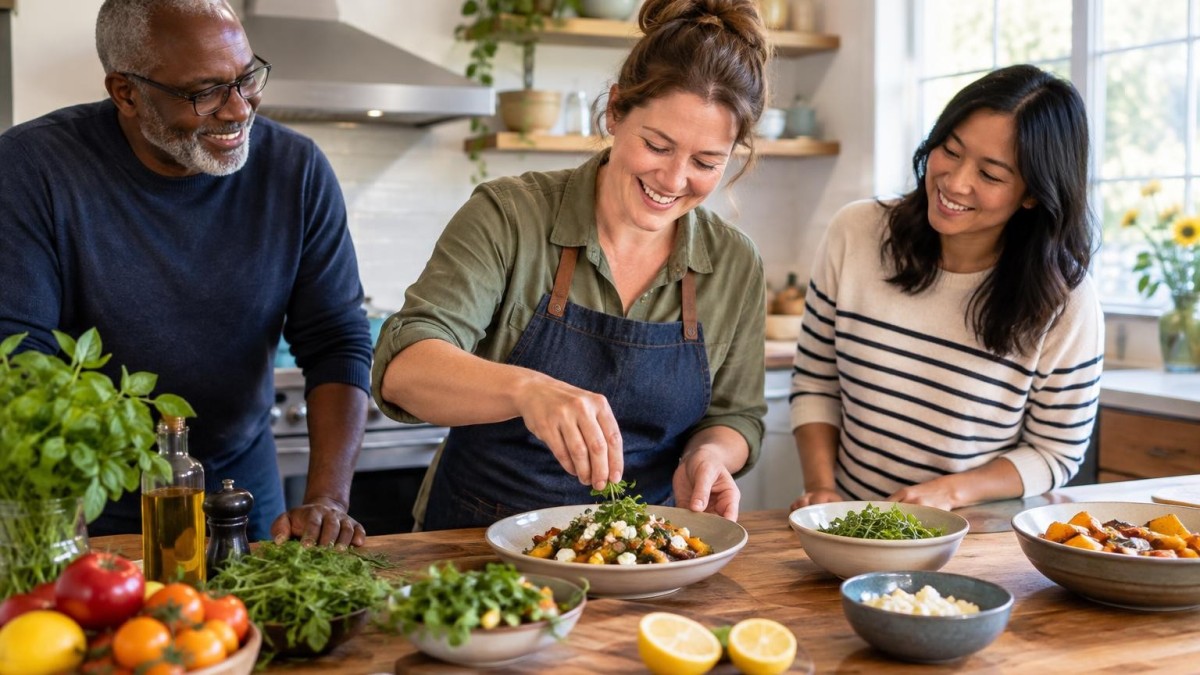
The Science Behind Flavor Pairing
Food isn't just fuel; it’s an experience that awakens all our senses. At the heart of this experience is how flavors come together on our palate, turning the ordinary into something truly special. Each ingredient carries its own flavor profile—be it sweet, savory, bitter, acidic, or umami. Interestingly, the aroma of ingredients significantly shapes our perception of taste, contributing up to 80% of the flavor experience. Understanding these elements lets you craft dishes where every flavor note complements each other seamlessly.
Mastering Complementary and Contrasting Combinations
There are two main ways to pair flavors: complementary and contrasting. Complementary pairings match similar tastes — like pairing honey with lemon or mushrooms with thyme — creating a smooth, unified flavor. Contrasting pairings bring together opposing qualities, such as salty prosciutto with sweet melon or creamy textures balanced by crisp, acidic elements. Both techniques have their place; the key is knowing when to create harmony and when to add exciting tension to keep your dishes interesting.
Beyond Flavor: Texture, Temperature, and Presentation
A great meal appeals to more than just taste buds. Texture and temperature play crucial roles in enhancing the eating experience. Imagine the satisfaction of creamy risotto topped with crunchy shallots or warm apple pie served alongside cold vanilla ice cream. These contrasts delight multiple senses and turn an everyday meal into a memorable event. Don’t forget the visual aspect either — the colors on your plate and the aroma that rises before the first bite both set expectations and elevate enjoyment.
Discovering Global Flavor Traditions
Flavors and pairings are also shaped by culture and geography. Mediterranean dishes often revolve around staples like tomatoes, basil, and olive oil, while Indian cuisine is famed for its rich use of spices like cumin, coriander, and turmeric. Exploring these traditional combinations can inspire your own cooking adventures, and many modern chefs create exciting new dishes by blending flavors from different culinary worlds—like Japanese miso with French butter or Mexican chili with dark chocolate.
Beverage and Nutritional Pairing Tips
Pairing the right beverage with your meal can amplify the flavors. While classic guides like red wine with red meat or white wine with seafood still work, today's dining experiences embrace a broader range — including craft beers, teas, and non-alcoholic infusions that either complement or contrast your dishes. On the nutritional side, some combinations enhance health benefits and flavor complexity; for example, pairing spinach with citrus or tomatoes with olive oil not only tastes great but also helps your body absorb more nutrients.
Embrace Experimentation and Creativity
Ultimately, food pairing blends science with art and creativity. Don’t hesitate to experiment with ingredients, textures, and temperatures. Pay attention to how flavors interact and trust your senses. Each new dish you create is an opportunity to learn and share joy at your table. Moving beyond strict recipes and embracing innovation, tradition, and curiosity lets you build meals that delight, surprise, and leave a lasting impression.
Newsletter Station provides professionally written, ready-to-send newsletters customized for your market and brand.
EXPLORE NEWSLETTER OPTIONS