
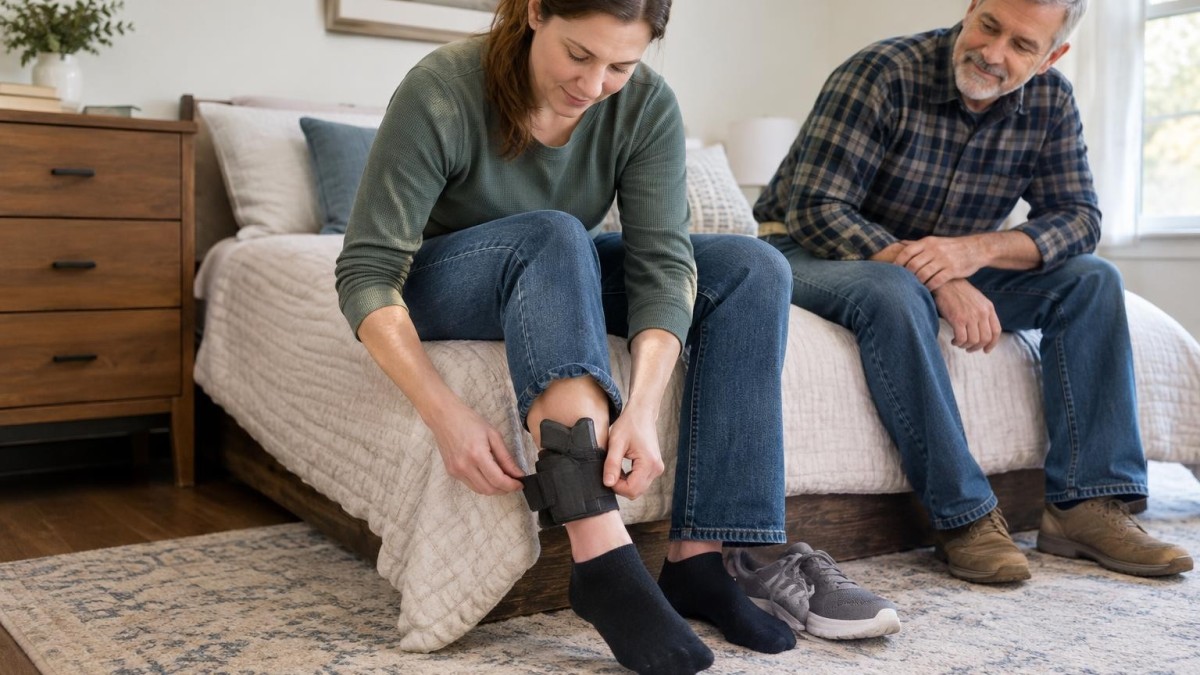
Benefits of Ankle Carry
Ankle carry offers excellent concealment, especially when wearing long pants. It allows the firearm to remain completely hidden, minimizing the chance of print and keeping your carry discreet in various environments such as professional or social settings.
This method is also popular as a backup carry option. Many firearms owners opt for a smaller pistol or revolver on their ankle as a secondary weapon, providing extra security when the primary firearm isn’t accessible.
Another plus is access while seated. Whether you’re driving, in a meeting, or at a desk, drawing from the ankle can be more ergonomic and less intrusive compared to waist carry. Furthermore, for those who wear dressier or lighter clothing, ankle carry offers a comfortable alternative that doesn’t compromise your style or mobility.
Considerations and Challenges
While there are clear advantages, ankle carry also has downsides. Drawing from this position generally takes more time than from the waist, which could be critical in emergencies. Frequent practice is essential to develop speed and confidence.
Firearm size plays a big role—it’s best suited for smaller, subcompact guns. Larger models can be awkward and may print under clothing, defeating the purpose of concealment. Additionally, because your leg is more exposed during physical encounters, retention can be a concern.
Comfort and balance shouldn’t be overlooked either. Carrying extra weight around your ankle might cause discomfort or affect walking and running, which may make it less practical for active individuals or long-term use.
Guidelines for Responsible Ankle Carry
If you choose ankle carry, invest in a quality holster designed for stability, comfort, and moisture resistance. A well-fitted holster ensures the firearm stays in place during movement and reduces wear on both the gun and yourself.
Consistent training is a must. Practice your draw and reholstering techniques regularly to build muscle memory. Starting slowly helps maintain safety while improving speed. Professional classes focusing on ankle carry can provide valuable insights and reinforce situational awareness.
Also, pay attention to equipment upkeep. Because ankle holsters are closer to dirt and moisture, clean your gear routinely and inspect it for damage to maintain safety and comfort.
Is Ankle Carry Right for You?
Ankle carry works best as a secondary carry method or for those who require deep concealment and frequent sitting. It’s not typically recommended as a primary carry due to slower access times. Evaluate your daily activities, attire, and comfort level before adopting it.
Ultimately, the choice of carry method should align with personal safety goals, training level, and lifestyle. Prioritize responsible carry by knowing your equipment, practicing regularly, and adhering to local laws and best safety practices.
Newsletter Station provides professionally written, ready-to-send newsletters customized for your market and brand.
EXPLORE NEWSLETTER OPTIONS