
FEATURE ARTICLE
Say Goodbye to Tooth Sensitivity: Causes, Prevention, and Relief Tips
Oct 29, 2025
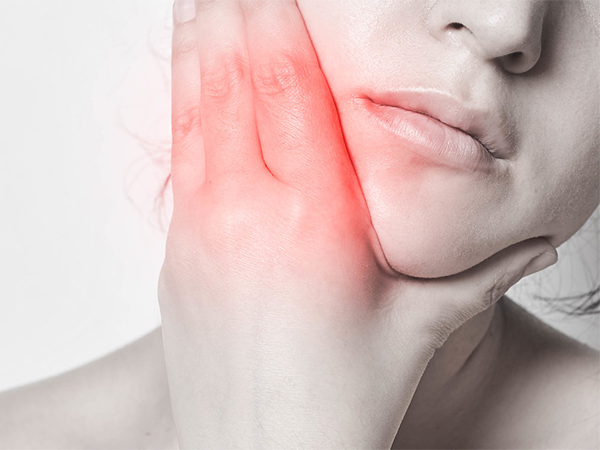
Tooth sensitivity is one of the most common dental concerns, affecting millions of people worldwide. If you’ve ever winced from a sharp pain while sipping a cold drink or enjoying a hot cup of coffee, you’re not alone. This discomfort occurs when the protective enamel on your teeth wears down or when your gums recede, exposing the dentin underneath.
Fortunately, with the right care and professional guidance, tooth sensitivity can be managed—and often prevented. Here’s how to protect your smile and enjoy your favorite foods without pain or worry.
Remember, prevention is key—so take proactive steps to protect your smile. With professional guidance and mindful habits, you can enjoy hot coffee, ice cream, and everything in between—pain-free and confidently.
Fortunately, with the right care and professional guidance, tooth sensitivity can be managed—and often prevented. Here’s how to protect your smile and enjoy your favorite foods without pain or worry.
-
Visit Your Dentist Regularly
Your first line of defense against tooth sensitivity is consistent dental care. Schedule checkups every six months (or as recommended) so your dentist can spot early signs of enamel erosion, gum recession, or cavities—all common causes of sensitivity.
Your dentist may recommend treatments such as:- Fluoride applications to strengthen enamel
- Bonding or sealants to protect exposed dentin
- Professional cleanings to remove plaque and tartar buildup
-
Switch to a Soft-Bristled Toothbrush
Brushing too hard—or using a hard-bristled toothbrush—can wear away enamel and irritate your gums. Choose a soft-bristled toothbrush or an electric toothbrush with pressure control to ensure gentle cleaning.
When brushing, use small circular motions and avoid aggressive scrubbing. Brushing harder doesn’t mean cleaning better—in fact, gentle brushing is more effective and much safer for your enamel and gums. -
Maintain Excellent Oral Hygiene
Daily oral hygiene plays a vital role in managing and preventing sensitivity. Brush at least twice daily using fluoride toothpaste, which helps remineralize and strengthen enamel.
Don’t skip flossing, as it removes food particles and plaque from between teeth and along the gumline—common areas where sensitivity develops. You can also consider adding an antimicrobial mouthwash to reduce bacteria and maintain fresher breath. -
Try a Desensitizing Toothpaste
Desensitizing toothpaste can make a noticeable difference in reducing discomfort. These formulas contain ingredients like potassium nitrate or stannous fluoride, which help block pain signals from the nerves inside your teeth.
Use it consistently—brushing with desensitizing toothpaste for several weeks often provides lasting relief. For faster results, apply a small dab directly to sensitive areas before bed and avoid rinsing immediately after brushing. -
Limit Acidic and Sugary Foods
Acidic foods and drinks—such as citrus fruits, soda, sports drinks, and vinegar-based dressings—can erode enamel over time. Likewise, sugary snacks fuel bacteria that produce acid, accelerating enamel wear.
To protect your teeth:- Enjoy acidic or sweet foods in moderation
- Rinse your mouth with water afterward
- Wait at least 30 minutes before brushing (brushing too soon can spread acid and increase damage)
-
Add a Fluoride Rinse or Gel
Fluoride helps rebuild weakened enamel and prevent cavities, both of which are key to managing sensitivity. Incorporate a fluoride rinse or gel into your nightly routine, or ask your dentist about in-office fluoride treatments for stronger, longer-lasting protection. -
Protect Against Teeth Grinding
If you grind your teeth (a condition called bruxism), you may be wearing away enamel without realizing it—especially during sleep. This pressure can expose the inner layers of your teeth, increasing sensitivity.
Your dentist can provide a custom-fitted mouthguard for nighttime use. It cushions your teeth, prevents grinding damage, and helps relieve jaw tension. -
Be Cautious with Whitening Products
Over-the-counter whitening strips, gels, and toothpastes can cause or worsen sensitivity due to abrasive ingredients. If you want a brighter smile, consult your dentist about professional whitening options designed for sensitive teeth. These treatments use controlled formulas that minimize irritation while delivering effective results. -
Stay Hydrated and Protect Saliva Flow
Saliva plays a crucial role in neutralizing acids and remineralizing enamel. Drink plenty of water throughout the day and avoid excessive caffeine or alcohol, which can dry out your mouth. Sugar-free gum can also help stimulate saliva production and maintain moisture levels.
Remember, prevention is key—so take proactive steps to protect your smile. With professional guidance and mindful habits, you can enjoy hot coffee, ice cream, and everything in between—pain-free and confidently.