
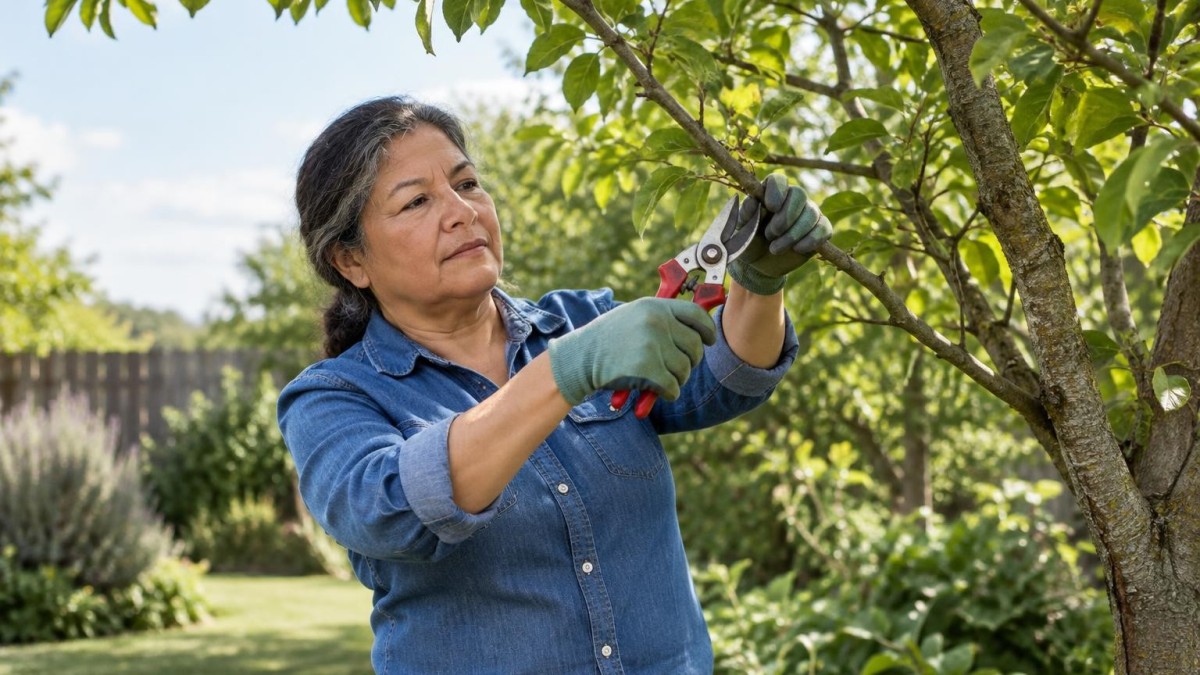
The Importance of Thoughtful Pruning
Trees are not just beautiful features in our yards; they are living organisms that contribute to our environment by providing shade, improving air quality, and supporting local ecosystems. Proper care, especially pruning, is essential for keeping them healthy and safe.
Pruning goes beyond aesthetics—it supports strong growth, reduces disease risk, and helps prevent hazards from falling or weak branches. Using the right techniques and timing will ensure your trees stay healthy and durable for years.
Effective Pruning Techniques
Removing Deadwood
Dead branches appear dry and brittle and can be dangerous if they fall. Removing these dead limbs not only improves safety but also prevents decay from spreading to healthy parts of the tree. When pruning, cut back to the branch collar, the area where the branch meets the trunk, to promote natural healing. Always use clean, sharp tools and sanitize them between cuts to avoid spreading disease.
Thinning the Canopy
Thinning involves selectively removing certain branches to allow more light and air flow through the tree’s canopy. This practice strengthens the tree against wind damage and reduces the chance of fungal infections. Focus on cutting out branches that cross or rub against each other and those growing inward. However, avoid removing too many branches at once, as this can cause stress or expose the tree to sun damage.
Crown Raising
Crown raising means removing the lower branches to lift the canopy, which is helpful for clearing space over paths, driveways, or lawn areas. When doing this, maintain a balanced shape and avoid taking off too many lower limbs at once to preserve stability, especially in younger trees.
Crown Reduction
If a tree becomes too large or starts interfering with structures or power lines, crown reduction can help. Rather than topping the tree (which is harmful), shorten the length of branches by cutting back to healthy side branches at least a third the diameter of the cut branch. This method decreases weight and maintains structural integrity.
Guiding Growth with Directional Pruning
For young trees, directional pruning helps promote strong structures by encouraging outward or upward growth. This early shaping prevents future problems like weak joints or overcrowded branches and sets the tree up for long-term health.
Advanced Techniques: Pollarding and Coppicing
Certain species like willow or linden benefit from specialized methods—the former involves cutting back to a fixed height to encourage new shoots, while the latter involves cutting near ground level to stimulate multiple stems. These should only be done on suitable species and at the right times, such as late winter or early spring, to ensure healthy regrowth.
Timing and Professional Guidance
The best time to prune most trees is during dormancy in late winter, reducing stress and minimizing pests. Avoid heavy pruning in spring or summer to prevent bark and leaf damage. When in doubt, consulting a certified arborist is wise—they have the expertise to evaluate tree health and perform safe pruning tailored to your trees.
Consistent, careful pruning is an investment in your landscape’s beauty and safety. By mastering these pruning techniques or working alongside professionals, you’ll help your trees flourish and provide enjoyment for years to come.
Newsletter Station provides professionally written, ready-to-send newsletters customized for your market and brand.
EXPLORE NEWSLETTER OPTIONS