
Why Oral Health Matters for Your Dog
When it comes to caring for our dogs, we often focus on nutrition, exercise, and vet checkups, but oral health can easily be overlooked. Just like people, dogs can develop dental diseases that don't just cause discomfort but may also affect their overall health.
Understanding Periodontal Disease
Periodontal disease is the most common dental issue in dogs, especially those over three years old. It starts when plaque and tartar build up on the teeth, leading to irritated gums (gingivitis) and potentially painful infections that can weaken the structures supporting the teeth. Left untreated, it can cause tooth loss and make eating difficult.
What's more concerning is that bacteria from infected gums can enter the bloodstream and affect vital organs like the heart, liver, and kidneys, increasing the risk of serious health problems. Keeping your dog's mouth clean is a key defense against these risks.
Spotting Pain and Behavioral Changes
Dental problems often cause significant pain, even if your dog doesn’t show it outright. Watch for signs such as reluctance to eat, dropping food, chewing only on one side, or unusual irritability. These behaviors may indicate discomfort in their mouth and should not be ignored. Addressing these issues early can improve their quality of life and prevent further complications.
The Link Between Breath and Health
Persistent bad breath in dogs is more than a nuisance; it’s often a sign of dental disease. Foul odors can signal gum infections or tooth decay that need veterinary attention. If your dog’s breath consistently smells unpleasant despite regular care, it’s time for a dental checkup.
Maintaining Dental Health for Overall Wellness
Research continues to show how oral health influences whole-body wellness in dogs. Poor dental hygiene contributes to inflammation and can exacerbate conditions like heart disease and diabetes. Keeping your dog's teeth and gums healthy helps boost their immune system and supports a longer, more active life.
Simple Tips for Preventive Care
Good dental care doesn’t have to be complicated. Here are some practical steps you can take:
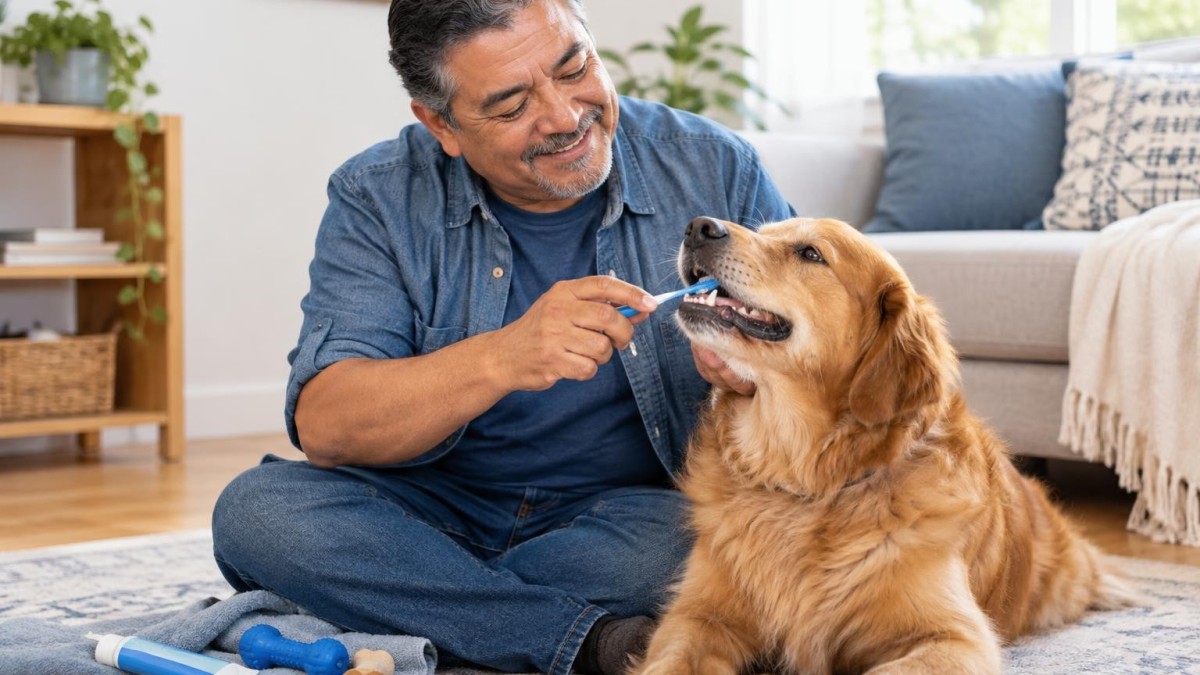
- Brush your dog’s teeth regularly with a dog-safe toothpaste and soft brush.
- Schedule professional dental cleanings through your veterinarian.
- Offer dental chews and toys designed to reduce plaque.
- Choose balanced diets or treats formulated for oral health.
- Check your dog’s mouth regularly for signs of redness, buildup, or discomfort.
By making dental care a routine part of your dog’s health regimen, you’re helping to prevent painful problems and serious diseases down the road.
Remember, a healthy mouth contributes to a happy, energetic dog. Taking the time today to care for their teeth means more joyful years and tail-wagging adventures ahead.
Newsletter Station provides professionally written, ready-to-send newsletters customized for your market and brand.
EXPLORE NEWSLETTER OPTIONS