
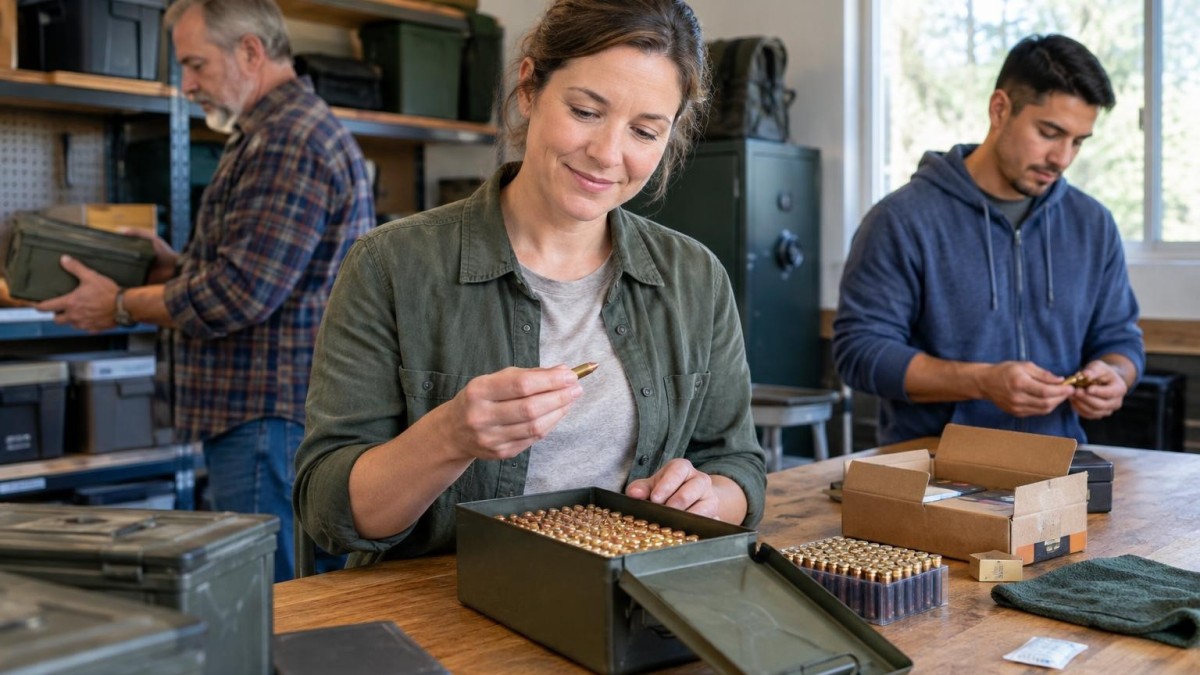
Understanding Ammunition Longevity
Ammunition, unlike perishable items, doesn't come with an expiration date. Its usability depends largely on how it was made and, importantly, how it's been stored over time. Properly stored ammo—kept cool, dry, and stable—can last decades, while exposure to moisture or fluctuating temperatures can significantly degrade it.
Key Factors Impacting Ammo Shelf Life
Moisture is a major threat to ammunition, promoting corrosion that can render it unsafe or unreliable. Temperature swings that lead to condensation also harm ammo components. Typically, storing ammunition indoors in a climate-controlled environment is ideal, avoiding garages, sheds, or vehicles where conditions vary more.
Quality manufacturing and packaging add an extra layer of protection, ensuring cartridges are assembled correctly and shielded from environmental exposure. Original boxes are helpful for maintaining vital information like caliber and manufacturer details. Loose or unknown ammo presents risk due to uncertain storage and quality.
Both rimfire and centerfire ammo can last well if stored properly; the primer type doesn't guarantee longer shelf life. Modern smokeless powders are stable but still susceptible to deterioration over long periods or poor storage conditions.
Common Misconceptions and Smart Practices
Ammunition doesn’t suddenly become unusable after a certain number of years. Age alone isn’t a reliable indicator of performance or safety. Old ammo that’s been well-stored can function just fine, while newer ammo exposed to moisture or damage may fail.
Storing ammunition near heat sources or exposing it to extreme temperatures should be avoided, but typical indoor conditions won't cause spontaneous ignition. If ammunition shows signs of corrosion, deformation, or other damage, it should not be used.
Good storage habits include keeping ammunition in a dry, temperature-stable place, preferably in original packaging. Using desiccants can help but shouldn’t be solely relied upon. Limit handling to avoid contamination, and use a rotation system to prevent ammo from sitting unused indefinitely.
Before use, visually inspect ammunition for any signs of deterioration. Don't attempt repairs; if unsure, consult professionals. For disposal, never toss live ammo in household trash. Contact local law enforcement, gun ranges, or hazardous waste programs for safe options.
Ammunition is durable, but storage conditions define its useful life more than age does. Regular inspection and prudent storage ensure safety and reliability, making your investment last and keeping you prepared whenever you need it.
Newsletter Station provides professionally written, ready-to-send newsletters customized for your market and brand.
EXPLORE NEWSLETTER OPTIONS