
Why Cleaning Your Firearm Is Crucial
Proper maintenance is a key part of responsible firearm ownership. Every time you fire, your gun accumulates carbon, lead, powder residue, and other fouling that can build up and cause feeding or firing issues. Additionally, exposure to moisture and salt can lead to rust and corrosion. Keeping your firearm clean and lightly lubricated helps it operate reliably, extends its life, and ensures it remains safe to use—especially important for carry or home-defense guns.
Signs Your Gun Needs a Cleaning
Regularly inspect your firearm to catch problems early. Clean it if you notice malfunctions like misfires or failures to feed and eject, feel stiffness when cycling the action, see visible residue or corrosion, detect unusual odors like burnt metal, or after exposure to harsh conditions such as rain, salt air, or prolonged storage in damp spaces.
Essential Tools and Supplies
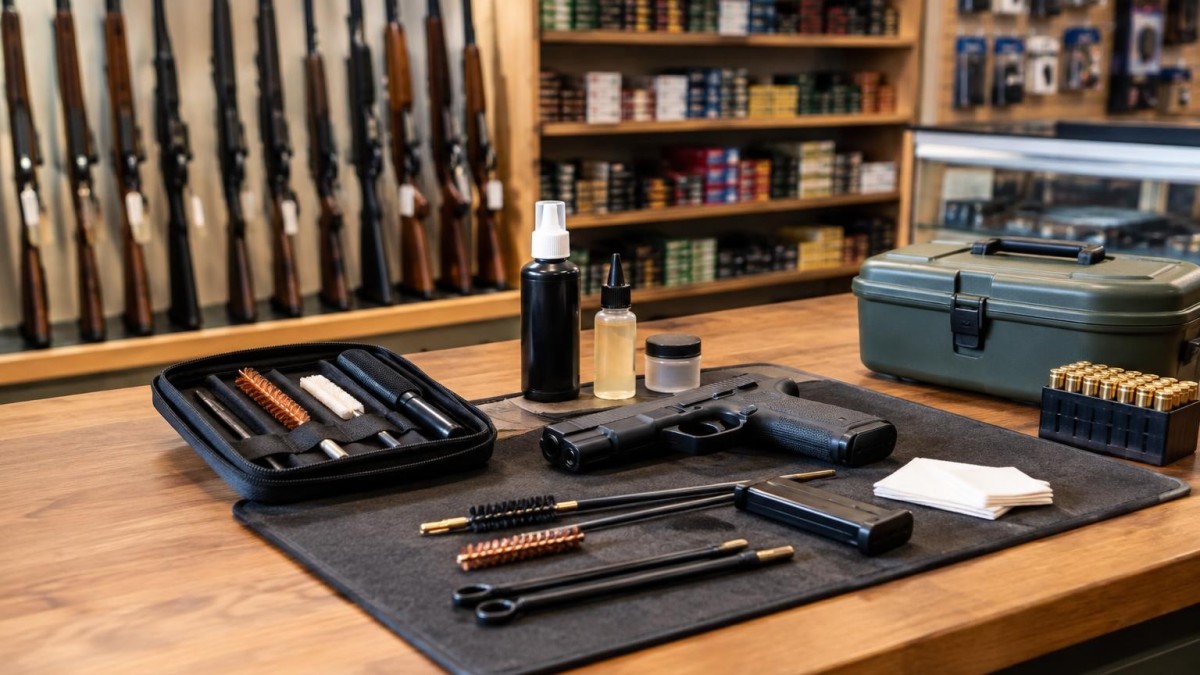
Gather manufacturer-approved cleaning solvent, a quality firearm lubricant, and tools matched to your gun's caliber—such as bore brushes, cleaning rods or bore snakes, cotton swabs, and soft-bristle brushes. Use microfiber or lint-free cloths and consider safety gear like goggles and gloves. Avoid household solvents, which can damage your firearm’s components.
A Step-by-Step Cleaning Guide
First, ensure safety: unload your firearm completely, remove magazines, and verify the chamber is empty. Work in a well-lit, ventilated area with no nearby ammunition.
Next, field-strip your gun following the owner's manual. Clean the bore using a solvent-soaked brush until patches come out clean, or use a bore snake for quick routine cleaning combined with occasional in-depth cleaning. Scrub action parts with solvent and brushes, using cotton swabs for tight spots, while avoiding saturating polymer parts.
Inspect components carefully for wear or damage, including springs and extractors, and replace any questionable parts promptly. Wipe off solvents and moisture, then apply a light coating of recommended lubricant to moving parts—excess oil can attract dirt and impede function. If you operate in humid or salty environments, add a thin rust inhibitor coat to metal surfaces.
Finally, reassemble your firearm and perform a dry function check without ammunition. If anything feels abnormal, disassemble and review again or consult a gunsmith.
Maintenance Frequency and Best Practices
Clean your firearm after each shooting session, after exposure to moisture or corrosive ammo, and periodically if stored for long periods. Always follow your manufacturer's guidance on disassembly, lubrication points, and torque settings.
Use appropriate brushes and patches sized for your firearm. Store guns unloaded in locked safes with ammo stored separately and use moisture control when needed. Keeping a maintenance log can help track cleaning dates and part replacements, making it easier to spot issues down the road.
Dispose of cleaning solvents and materials responsibly as many are hazardous. And remember, if you encounter cracks, broken parts, or persistent performance problems, seek professional gunsmith service to ensure safety.
Consistent, careful cleaning tailored to your firearm’s use and environment keeps it accurate, dependable, and safer for everyone involved. When uncertain, lean on your firearm’s manual or professional guidance—always prioritize safety first.
Newsletter Station provides professionally written, ready-to-send newsletters customized for your market and brand.
EXPLORE NEWSLETTER OPTIONS