
FEATURE ARTICLE
How and Why to Check the Ignition System on a Used Car
Oct 15, 2025
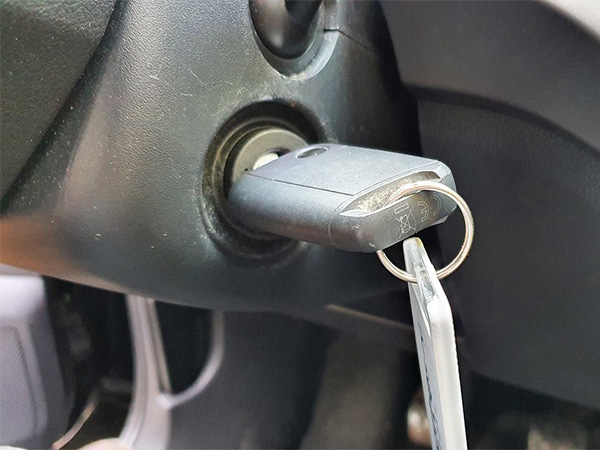
When buying a used car, it’s crucial to ensure every component is in good working condition — and one of the most critical systems to check is the ignition system. Often overlooked by buyers, the ignition system is responsible for starting the engine and keeping it running smoothly. A problem in this system can lead to poor performance, stalling, or costly repairs down the road.
In this article, we’ll explain why inspecting a used car’s ignition system matters and provide a simple, step-by-step guide to help you assess it confidently.
Why the Ignition System Matters
The ignition system is the heart of your car’s startup process. It generates the spark that ignites the air-fuel mixture in the engine, enabling combustion and powering your vehicle.
A properly functioning ignition system ensures:
Step-by-Step Guide to Checking the Ignition System
By following these steps — checking spark plugs, coils, wires, and related components — you’ll gain valuable insight into the car’s condition and reliability. If something doesn’t look right, don’t hesitate to ask questions or request a professional inspection before finalizing your purchase.
A few minutes of precaution now can lead to years of confident, trouble-free driving later.
In this article, we’ll explain why inspecting a used car’s ignition system matters and provide a simple, step-by-step guide to help you assess it confidently.
Why the Ignition System Matters
The ignition system is the heart of your car’s startup process. It generates the spark that ignites the air-fuel mixture in the engine, enabling combustion and powering your vehicle.
A properly functioning ignition system ensures:
- Reliable starts — Your car fires up quickly and consistently.
- Smooth performance — The engine runs efficiently with minimal misfires or hesitation.
- Better fuel economy — Efficient combustion helps maximize gas mileage.
- Lower emissions — A clean burn reduces pollutants and engine strain.
Step-by-Step Guide to Checking the Ignition System
-
Gather the Right Tools
Before you begin, prepare the necessary equipment:- Multimeter
- Spark plug socket
- Spark plug gap gauge
- Screwdriver or wrench set
- Service manual for your car’s make and model
-
Inspect the Spark Plugs
Locate the spark plugs, usually found in the engine block or cylinder head. Carefully remove one at a time and examine them for:- Wear or corrosion
- Carbon or oil buildup
- Cracked porcelain or burned electrodes
-
Check the Ignition Wires
Inspect each ignition wire for signs of cracks, fraying, or brittleness. Damaged wires can disrupt the spark and cause engine misfires. Replace any that appear worn or damaged. For newer vehicles with coil-on-plug ignition, inspect the coil boots and connectors instead. -
Test the Ignition Coil(s)
Locate the ignition coil or coil packs. Using a multimeter, test the primary and secondary windings to ensure they’re within the correct resistance range specified in your service manual. If the readings are outside the normal range, the coil may be faulty and should be replaced. A weak ignition coil can cause hard starts, rough idling, and reduced power. -
Examine the Distributor (for Older Cars)
If your vehicle has a distributor (common in older models), remove the cap and rotor. Check for corrosion, carbon tracking, or worn contacts. Replace these parts if they show excessive wear or buildup, as this can interrupt the spark flow and lead to misfires. -
Test the Battery
A healthy battery provides the voltage necessary to power the ignition system. Using a multimeter, check that the voltage reads around 12.6 volts when fully charged. Clean any corrosion from the terminals and ensure the connections are secure. A weak or corroded battery can prevent your ignition system from functioning properly. -
Consult a Professional if Needed
If you encounter issues or are unsure about your findings, consult a certified mechanic or automotive technician. They can perform advanced diagnostics, such as scanning the engine control module (ECM) for error codes, to pinpoint potential ignition system problems.
By following these steps — checking spark plugs, coils, wires, and related components — you’ll gain valuable insight into the car’s condition and reliability. If something doesn’t look right, don’t hesitate to ask questions or request a professional inspection before finalizing your purchase.
A few minutes of precaution now can lead to years of confident, trouble-free driving later.