
FEATURE ARTICLE
What to Do If Your Pet Is Choking: A Step-by-Step Guide
Oct 15, 2025
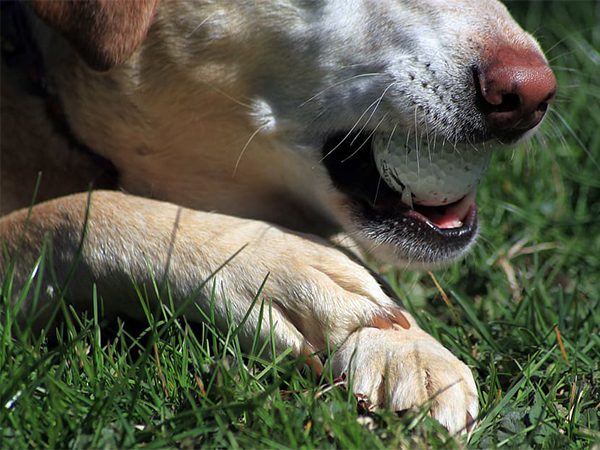
As pet owners, we all want to keep our furry friends healthy, safe, and happy. But even the most attentive owner can face an emergency — and one of the most frightening is choking. Pets can choke on food, toys, bones, or everyday household items, and knowing what to do in those first critical moments can save their life.
In this guide, we’ll walk you through how to recognize, respond to, and help prevent choking incidents in pets, giving you the knowledge and confidence to act quickly when it matters most.
Preparation is key — keep your veterinarian’s contact information handy, consider taking a pet first aid course, and create a small emergency kit with essentials like tweezers, gloves, and a flashlight.
Your quick action and awareness can help your beloved companion breathe easier — literally.
In this guide, we’ll walk you through how to recognize, respond to, and help prevent choking incidents in pets, giving you the knowledge and confidence to act quickly when it matters most.
-
Recognize the Signs of Choking
The first step is learning how to spot the signs. Common symptoms include:- Pawing at the mouth or face
- Difficulty breathing or wheezing
- Coughing, gagging, or retching
- Panicked or frantic behavior
- Blue or pale gums (indicating lack of oxygen)
- Collapse or loss of consciousness in severe cases
-
Assess the Severity
Determine whether your pet’s airway is partially or completely blocked:- Partial blockage: Your pet may still be coughing or gagging. Please encourage them to continue coughing to expel the object naturally.
- Complete blockage: If your pet cannot breathe, bark, or meow — or has collapsed — you’ll need to act immediately with first aid techniques.
-
Stay Calm and Reassure Your Pet
Your pet will sense your emotions, so staying calm is critical. Speak in a soothing voice and move gently. Avoid sudden movements or shouting, which can heighten their panic. This calm approach helps you think clearly and allows your pet to cooperate better. -
Perform the Heimlich Maneuver for Pets
If your pet is still choking, you can use a modified Heimlich maneuver based on their size:
For Small Dogs or Cats- Gently hold your pet with their back against your chest.
- Place your hands just below the rib cage.
- Apply firm, quick upward pressure toward their head to expel the object.
- Stand behind your dog, wrapping your arms around their belly.
- Make a fist with one hand and place it just below their ribs.
- Use the other hand to press sharply inward and upward several times.
-
Check and Clear the Airway
After performing the maneuver, open your pet’s mouth carefully and look for any objects blocking the throat. Use your fingers, a cloth, or blunt-ended tweezers to remove visible items — but only if you can do so safely. Avoid pushing the object further down the throat, as this could make the situation worse.
If you cannot see or reach the object, get to a veterinarian immediately for professional assistance. -
Seek Veterinary Care Promptly
Even if your pet seems fine afterward, schedule an urgent veterinary check-up. Internal injuries, bruising, or airway swelling can occur after choking. Your vet may perform X-rays or an exam to ensure no further complications remain.
Never assume the danger has passed until a professional confirms your pet is fully stable. -
Prevention: Reduce Future Choking Risks
While accidents can’t always be avoided, you can greatly reduce choking hazards by taking simple preventive measures:- Choose toys appropriate for your pet’s size and strength.
- Avoid giving cooked bones, rawhide, or small treats that can splinter or break.
- Keep small objects (buttons, coins, hair ties) out of reach.
- Supervise playtime, especially with new toys.
- Feed dry kibble sized correctly for your pet’s breed and age.
- Regularly inspect toys for wear and replace damaged ones to prevent accidental ingestion.
Preparation is key — keep your veterinarian’s contact information handy, consider taking a pet first aid course, and create a small emergency kit with essentials like tweezers, gloves, and a flashlight.
Your quick action and awareness can help your beloved companion breathe easier — literally.