
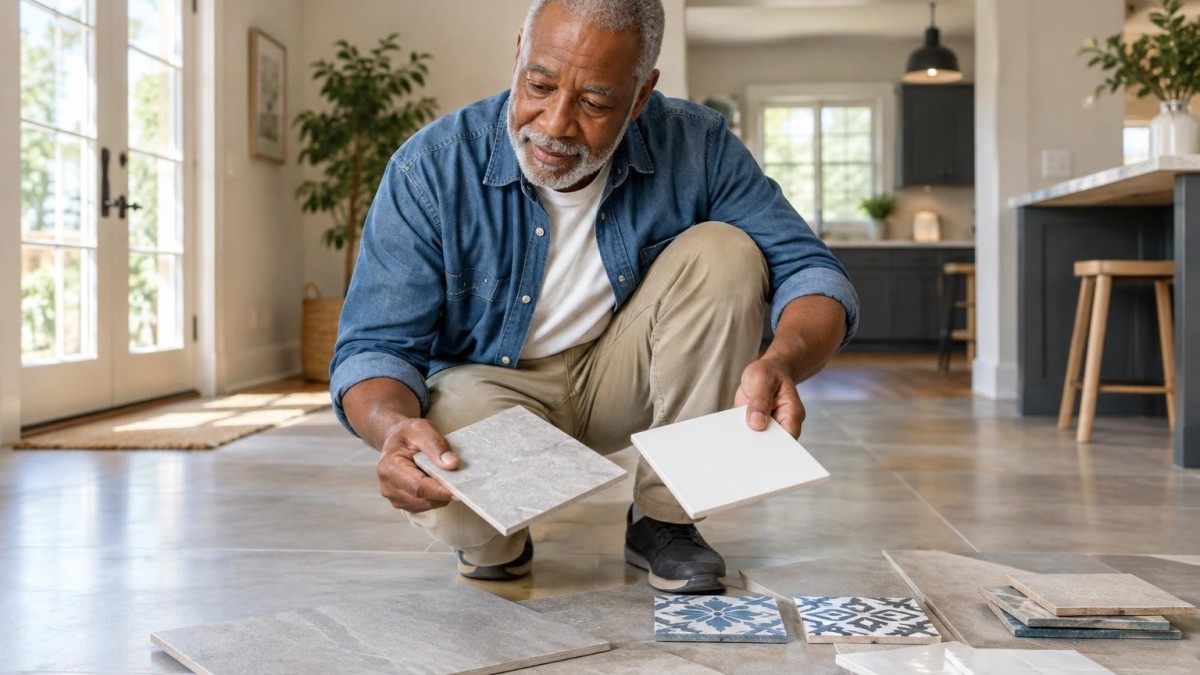
Understanding Tile Basics
Tiles are a popular choice for home upgrades because they combine style with durability. Among the top choices are porcelain and ceramic tiles. Although they might look alike initially, they differ significantly in how they’re made, how they hold up over time, and how much they cost. Knowing these differences helps you pick the best tile for your home’s specific needs.
Material and Durability: What Sets Them Apart
Porcelain tiles are made from a dense mixture of refined clay and minerals, baked at very high temperatures. This creates a strong, water-resistant tile that performs well even in busy areas or outdoor spaces. It’s tough enough to resist chips, stains, and scratches—perfect for homes with pets, kids, or lots of activity.
Ceramic tiles come from natural clay and minerals, fired at a lower temperature. This makes them lighter and a bit more porous than porcelain, though still sturdy enough for most indoor spaces. Their lighter composition also makes them simpler to cut and install, often making ceramic a go-to for DIY projects or budgets.
Design and Maintenance: Style Meets Practicality
When it comes to appearance, porcelain tiles often have a sleek look with consistent colors throughout. Advances in manufacturing allow porcelain to imitate the look of natural materials like stone or wood, offering a premium feel with easy upkeep. Porcelain’s durability means it can come in larger sizes, creating stylish, modern floors with fewer grout lines.
Ceramic tiles stand out for their variety. They come in numerous shapes, colors, and textures—from bright backsplashes to personalized patterns—making them ideal for homeowners who want a creative touch in their décor. Though slightly more porous, ceramic tiles are still relatively easy to care for, especially when sealed properly to prevent stains.
Cost Considerations and Choosing What’s Best
Generally, porcelain tiles are pricier due to their strength and production process but offer excellent long-term value, especially in high-use areas or outside. Ceramic tiles are more affordable upfront and straightforward to install, fitting well with tighter budgets or simple household projects.
To decide which tile fits your home, think about where you’ll use it, how much traffic the area gets, and what style you want. Porcelain suits spots where durability and moisture resistance matter most, like bathrooms, entryways, or patios. Ceramic shines indoors, bringing versatility and vibrant designs to kitchens, laundry rooms, and decorative walls.
Both tile types can provide beautiful, lasting results when properly installed and cared for. The key is balancing your design goals, lifestyle needs, and maintenance preferences to find the tile that works best for you.
Newsletter Station provides professionally written, ready-to-send newsletters customized for your market and brand.
EXPLORE NEWSLETTER OPTIONS