
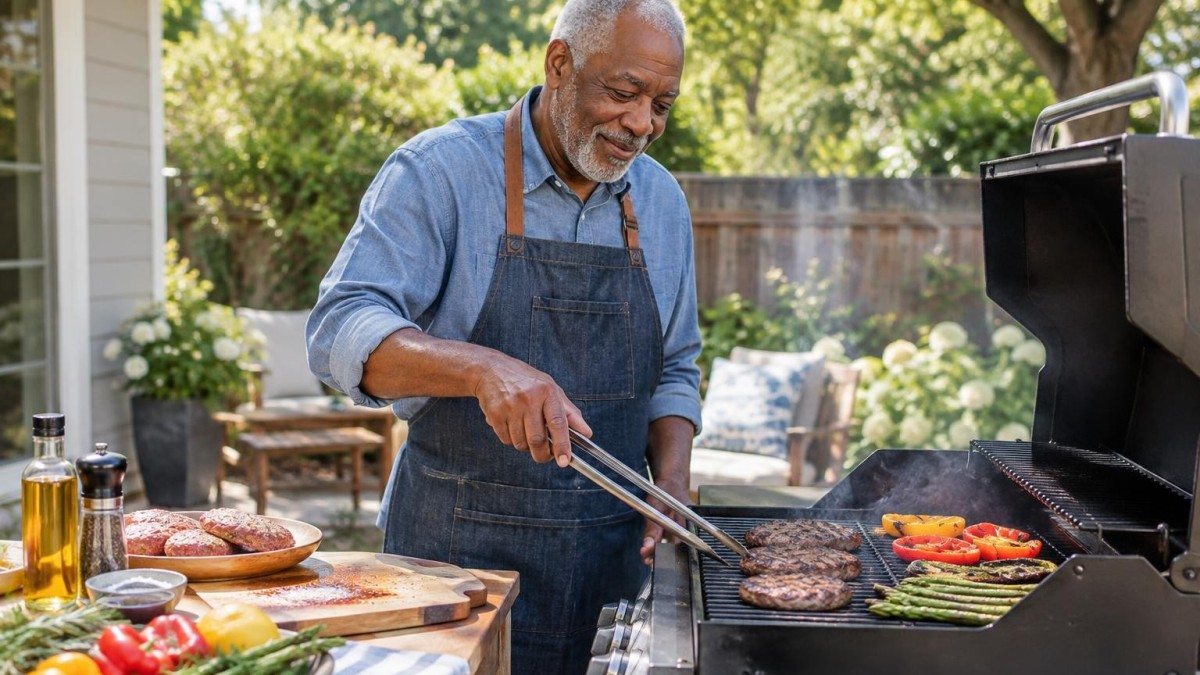
Clean and Prepare Your Grill
Start your barbecue with a clean grill to ensure the best flavor and safe cooking. Old food scraps and grease can lead to flare-ups and uneven heat, which may spoil the taste. Use a sturdy wire brush to clean the grates thoroughly before each use. For tougher residue, a natural solution of vinegar and baking soda works well to break down grease. Cleaning while the grill is still warm makes the process easier and helps maintain even cooking temperatures.
Preheat Properly and Oil the Grates
Preheating your grill is key to locking in moisture and achieving that sought-after caramelized crust. For gas grills, close the lid and heat for 10–15 minutes; charcoal grills should reach a light gray ash on the coals before cooking; electric grills need about 10 minutes to heat evenly. Before placing food on the grill, lightly oil the grates using a paper towel dipped in vegetable oil held with tongs. This prevents food from sticking and promotes attractive sear marks.
Manage Heat Zones and Timing
Controlling the heat makes all the difference. Set up direct high heat (450°F–550°F) for searing meats like steaks and burgers, medium heat (350°F–450°F) for poultry and vegetables, and low heat (250°F–350°F) for slow-cooking ribs or delicate seafood. On gas grills, adjust burners accordingly; on charcoal grills, arrange coals to create hot and cooler zones. Patience is crucial—flip your food only once halfway through cooking to develop a flavorful crust and retain juices. Using a meat thermometer helps you cook safely and to your preferred doneness, with guidelines like 125°F for rare beef, 145°F for medium pork, and 165°F for poultry.
Rest and Flavor Your Food
Once cooked, let your meat rest for 5–10 minutes covered loosely with foil. This step allows juices to redistribute, making your food tender and juicy rather than dry. To enhance flavor, try marinating meats and vegetables a few hours before grilling. Citrus blends, soy and garlic mixes, or olive oil with herbs add depth and moisture. Dry rubs made with spices like paprika, brown sugar, and pepper create delicious caramelized crusts.
Keep Safety and Maintenance in Mind
Always have a spray bottle of water handy to control flare-ups safely, and use a reliable thermometer to ensure food is cooked through. After grilling, clean your grill once it's cooled slightly to prolong its life and maintain performance. Cover the grill when not in use to protect it from weather damage.
Mastering grilling is about combining good technique with patience and practice. These simple tips will help you consistently serve juicy, flavorful food and enjoy memorable outdoor gatherings with family and friends.
Newsletter Station provides professionally written, ready-to-send newsletters customized for your market and brand.
EXPLORE NEWSLETTER OPTIONS