
FEATURE ARTICLE
Garden Soil vs. Potting Soil: What's the Difference?
Oct 15, 2025
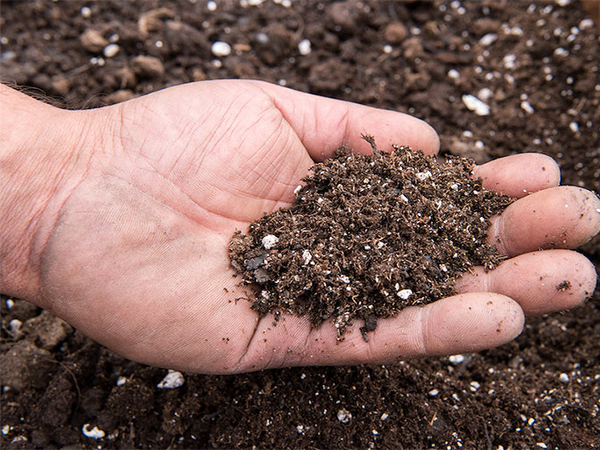
When it comes to successful gardening, the soil you choose plays a significant role in the health, growth, and productivity of your plants. Two of the most common soil types gardeners use are garden soil and potting soil. Though they may appear similar, each serves a distinct purpose and is formulated differently to meet specific growing needs.
In this guide, we’ll explore the characteristics, benefits, and best uses for garden soil and potting soil — helping you make the right choice for your garden’s success.
Garden Soil: A Natural Foundation
Garden soil, often referred to as topsoil, is the natural soil found in your yard or outdoor planting areas. It’s a mixture of mineral particles, organic matter, microorganisms, air, and water that develops naturally over time. Garden soil forms the foundation for most landscape and in-ground planting projects.
Key Characteristics of Garden Soil
Potting soil — also known as potting mix or container mix — is a specially formulated growing medium designed for plants grown in pots, containers, and raised beds. Unlike garden soil, potting soil is typically soilless, offering superior drainage and aeration ideal for confined spaces.
Key Characteristics of Potting Soil
Choosing the right soil depends on where and how you’re planting:
By choosing the right soil for your gardening project and maintaining it properly, you’ll promote stronger root growth, healthier plants, and more vibrant blooms or harvests.
In this guide, we’ll explore the characteristics, benefits, and best uses for garden soil and potting soil — helping you make the right choice for your garden’s success.
Garden Soil: A Natural Foundation
Garden soil, often referred to as topsoil, is the natural soil found in your yard or outdoor planting areas. It’s a mixture of mineral particles, organic matter, microorganisms, air, and water that develops naturally over time. Garden soil forms the foundation for most landscape and in-ground planting projects.
Key Characteristics of Garden Soil
-
Composition
Garden soil contains a combination of sand, silt, and clay — known as the soil’s texture. The balance between these particles affects how well your soil retains moisture and allows for drainage. It also includes organic matter such as decomposed leaves, plant debris, and compost. -
Nutrient Content
Nutrient levels in garden soil can vary widely depending on location, rainfall, and soil management. While some garden soils are naturally rich in nutrients, others may be depleted and require regular amendments with compost or organic fertilizer. -
Drainage and Aeration
Garden soil’s drainage ability depends on its composition. Clay-heavy soil tends to retain water and compact easily, while sandy soil drains too quickly, making it difficult for roots to access moisture. Loamy soil, a balanced mix of clay, silt, and sand, is ideal for most plants. -
pH Levels
The pH of garden soil can range from acidic to alkaline, depending on your region’s geology. Testing your soil’s pH helps you determine which plants will thrive or whether you need to adjust it using lime (to raise pH) or sulfur (to lower pH).
Potting soil — also known as potting mix or container mix — is a specially formulated growing medium designed for plants grown in pots, containers, and raised beds. Unlike garden soil, potting soil is typically soilless, offering superior drainage and aeration ideal for confined spaces.
Key Characteristics of Potting Soil
-
Soilless and Lightweight
Potting soil is a blend of materials such as peat moss, perlite, vermiculite, and coconut coir. These components create a lightweight structure that retains moisture without becoming waterlogged, making it perfect for container roots. -
Controlled Nutrients
Most potting mixes are enriched with slow-release fertilizers, providing consistent nutrition for several months. This helps maintain balanced plant growth and reduces the need for frequent fertilizing. -
Consistent Texture
Potting soil is uniform and easy to handle, ensuring even root development and oxygen flow. Its consistency also prevents compaction — a common problem with garden soil used in containers. -
Pest- and Disease-Free
Potting soil is typically sterilized during manufacturing, eliminating weed seeds, bacteria, and pests. This makes it a cleaner, safer option for indoor and container gardening.
Choosing the right soil depends on where and how you’re planting:
-
For Containers and Raised Beds
Potting soil is the best choice for container plants because of its excellent drainage, aeration, and nutrient balance. Garden soil is too heavy and compact for pots, which can suffocate roots and lead to rot. -
For In-Ground Planting
Garden soil is ideal for outdoor garden beds, shrubs, trees, and landscapes. However, improving it with compost or organic matter enhances its structure, drainage, and fertility. -
For Mixing and Amending
You can combine garden soil and potting mix for large planters or raised beds, blending the nutrient richness of garden soil with the lightweight structure of potting soil.
- Test your soil regularly to monitor nutrient levels and pH.
- Rotate crops and replenish with compost each season.
- Avoid reusing old potting soil without refreshing it — it can lose nutrients and harbor pests over time.
By choosing the right soil for your gardening project and maintaining it properly, you’ll promote stronger root growth, healthier plants, and more vibrant blooms or harvests.