
How Speed and Smooth Driving Extend Tire Life
Your driving style significantly influences how quickly your tires wear out. Speeding generates extra heat due to increased friction between the tires and road surface, which breaks down the rubber faster and can lead to blowouts, especially on hot days. Instead, keeping to speed limits and avoiding sudden lane changes or rapid acceleration not only prolongs your tires' life but also improves fuel efficiency and overall safety.
Hard acceleration and abrupt braking can also prematurely wear out your tires. Quick starts stress the tread, while sudden stops can cause flat spots, leading to uneven wear and reduced grip — a concern in slippery conditions. Adopting gradual acceleration and smooth braking helps evenly distribute force across your tires, maintaining their balance and strength for longer.
Maintaining Tire Pressure and Navigating Road Hazards
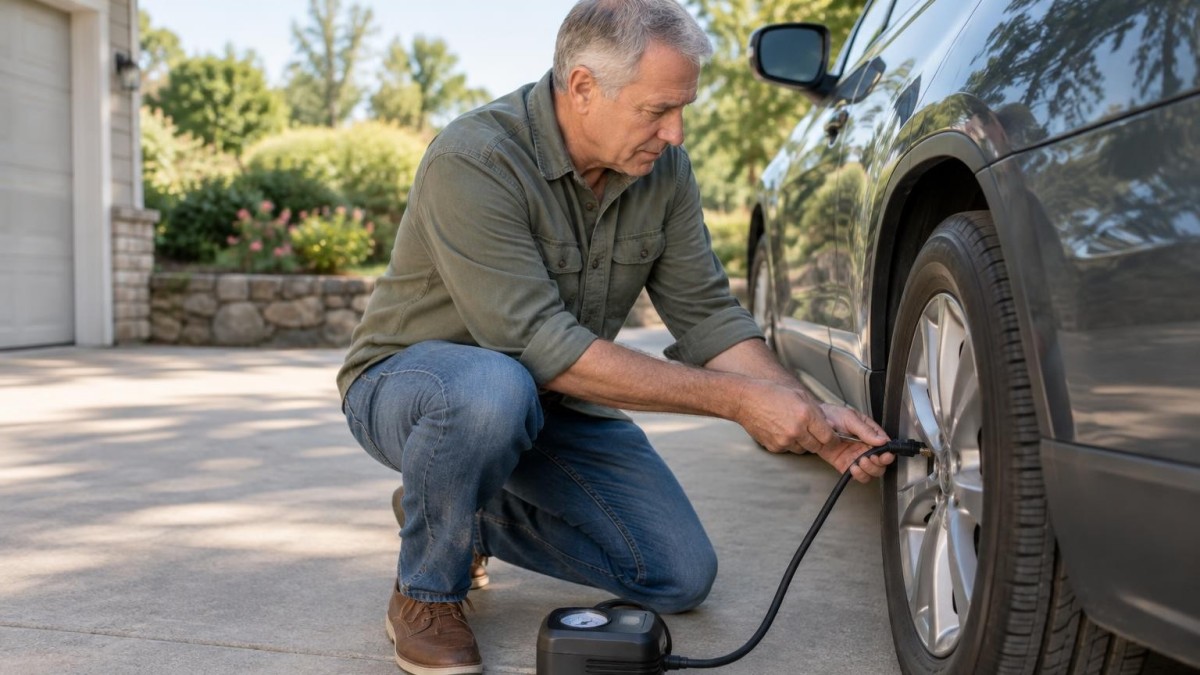
Improper tire pressure is a common, often overlooked factor speeding up tire wear. Underinflated tires cause the sidewalls to flex excessively, wearing out faster and increasing rolling resistance, which lowers fuel economy. Overinflated tires wear unevenly in the center and can reduce traction. Make it a habit to check your tire pressure monthly and before long drives, using the manufacturer’s recommended PSI, usually found in your owner’s manual or on your car door frame.
Although you can't avoid every pothole or rough patch, slowing down on uneven roads and steering clear of debris whenever possible minimizes damage. Rough terrain can cause sidewall bulges, misalignments, and internal issues like belt separation. For those frequently driving on rugged roads, investing in all-terrain tires designed to handle tougher conditions is a wise choice.
The Importance of Tire Rotation and Wheel Alignment
Because front tires bear more weight and handle steering, they naturally wear out faster than rear tires. Skipping tire rotations leads to uneven tread wear and can negatively affect vehicle handling. Similarly, poor wheel alignment causes tires to pull and wear irregularly. Experts suggest rotating your tires every 6,000 to 8,000 miles and checking wheel alignment at least once a year or if you notice your car drifting to one side. These maintenance steps promote even tire wear and optimize performance.
Ultimately, mindful driving habits combined with regular tire maintenance can save you money, improve fuel efficiency, and keep you safer on the road. Remember, your tires are your vehicle’s only contact points with the road—taking care of them benefits every mile you drive.
Newsletter Station provides professionally written, ready-to-send newsletters customized for your market and brand.
EXPLORE NEWSLETTER OPTIONS