
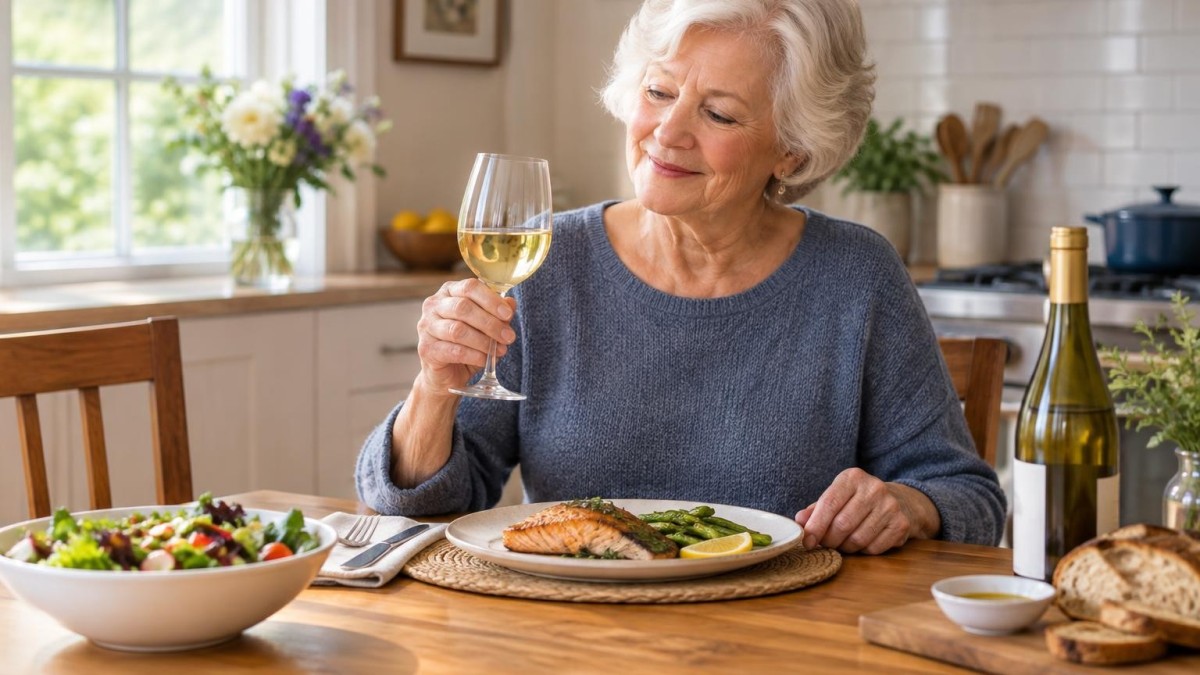
Unlocking the Basics of Wine Pairing
Wine has long added a special touch to meals, enhancing both the taste of the food and the overall dining experience. Whether you're savoring a meal at home or enjoying dinner out, choosing the right wine can elevate flavors and create a memorable occasion. The key to successful pairing is finding balance—making sure the wine and food complement each other rather than compete.
Finding Harmony: Matching Flavor and Intensity
Start by considering the weight and dominant flavors of your dish. Lighter meals, like salads, seafood, or grilled chicken, generally pair well with lighter-bodied wines such as Sauvignon Blanc, Pinot Grigio, or Rosé. For heartier dishes like steak, lamb, or roasted duck, full-bodied reds like Cabernet Sauvignon, Syrah, or Malbec are better suited. It's important to match the intensity so the wine neither overpowers nor gets lost alongside the food.
Focus on the main flavor components of your dish. Creamy sauces often do well with oaked Chardonnay, while spicy foods like Thai curry or Cajun seafood benefit from a slightly sweet Riesling or Gewürztraminer to balance the heat. Earthy dishes, like mushroom risotto, pair nicely with wines featuring similar notes, such as Pinot Noir or Merlot.
The Role of Acidity and Texture
Acidity is a crucial factor. Foods with high acidity, like tomato-based sauces or citrus-forward meals, should be matched with wines that have comparable acidity like Chianti or Sauvignon Blanc. Rich, fatty foods benefit from crisp, acidic wines such as Champagne or Prosecco because they refresh the palate and prevent heaviness.
Texture also matters. Creamy dishes align well with smooth, rounded wines like Viognier or oaked Chardonnay. On the other hand, crisp, zesty wines provide a pleasing contrast to rich, fried, or cheesy foods. Paying attention to these elements enhances the overall dining experience and balance.
Trust Your Taste and Explore
Traditional regional pairings offer a great starting point—think Italian wines with Italian dishes or French wines with French cuisine—because these combinations have been perfected over time. However, personal preferences are paramount. Don’t hesitate to experiment by trying unexpected pairings and discovering what works best for you.
If you're unsure, seek guidance from experts such as sommeliers, wine shop staff, or restaurant servers. Attending wine tastings and pairing events can be a fun way to expand your knowledge and palate.
Mastering wine pairing is less about hard rules and more about understanding how flavors, textures, and acidity interact. With a little practice and an open mind, you can confidently select wines that enhance your meals and create delightful harmony on your plate and in your glass.
Newsletter Station provides professionally written, ready-to-send newsletters customized for your market and brand.
EXPLORE NEWSLETTER OPTIONS