
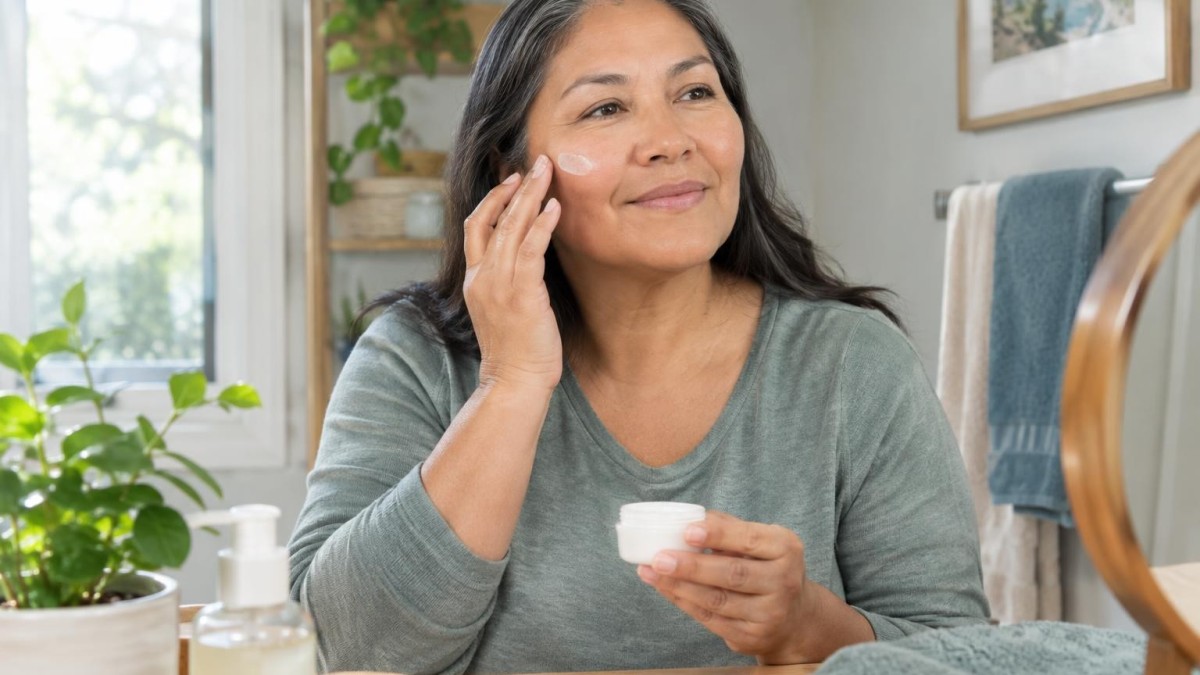
Spotting Early Aging Signs in Your Skin
Skin aging varies for everyone—some notice wrinkles, uneven tone, or sagging sooner than others. While your genes set a baseline, daily habits like sun exposure, smoking, and sleep quality play large roles in how quickly these signs appear.
Key Signs and How to Address Them
1. Fine Lines and Wrinkles Showing Up Early
Usually forming around the eyes, forehead, and mouth, these lines result from repeated facial movements and less collagen. Excessive sun and smoking can speed this process.
To help: wear broad-spectrum sunscreen with at least SPF 30 every day, consider introducing retinol products slowly to encourage skin renewal, keep skin hydrated with moisturizers containing hyaluronic acid, and avoid smoking or tanning beds. Check with your healthcare provider if you’re pregnant before using retinol.
2. Uneven Skin Tone and Dark Spots
Sun damage, hormonal changes, and inflammation can cause pigmentation irregularities, especially on skin frequently exposed to UV rays.
Try protecting your skin daily with sunscreen, use serums or creams containing vitamin C, niacinamide, or azelaic acid for gradual improvement, and consult a dermatologist if you notice any new or changing spots.
3. Reduced Skin Firmness and Elasticity
As collagen and elastin decrease with age, skin loses some of its bounce and firmness. Sun exposure worsens this natural decline.
Support your skin with retinoids, try products that include peptides, maintain a balanced diet for skin health, and if you notice significant sagging, a skincare professional can suggest treatments like radiofrequency procedures.
4. Persistent Dryness and Lackluster Skin
Aging skin can become drier and appear dull, due both to natural changes and external factors like harsh cleansers and environmental conditions.
Use gentle, hydrating cleansers, moisturize right after washing, avoid long hot showers, and use gentle exfoliants cautiously. If dryness is accompanied by irritation, seek medical advice.
5. Under-Eye Puffiness and Dark Circles
This delicate area often shows signs of aging with bags or discoloration caused by tissue changes, allergies, or genetics.
Maintain good sleep hygiene, manage allergies, apply cool compresses, and use hydrating eye creams. If symptoms worsen or become painful, professional evaluation is important.
6. Sagging Along the Jawline and Neck
Loss of firmness and changes in facial fat can impact contours, often influenced by sun damage and weight fluctuations.
Protect skin with daily sunscreen, aim to keep weight stable, keep your skincare simple, and consult a dermatologist about advanced treatments if sagging concerns grow. Facial exercises lack solid evidence for tightening effects.
Daily Habits That Support Healthier Aging Skin
A consistent routine emphasizing sun protection, avoiding smoking, gentle skincare, adequate sleep, and nutritious eating creates a strong foundation for aging skin gently. Introduce new products one at a time to minimize irritation risks.
When to See a Dermatologist
Minor changes are part of natural aging, but persistent pigmentation irregularities, irritation, sudden skin changes, or unusual spots warrant a professional checkup to ensure safe and effective care.
Focus on Care, Not Perfection
While aging cannot be stopped, nurturing and protecting your skin enhances its comfort and appearance. Aim for a realistic routine that helps your skin feel its best rather than chasing unrealistic ideals.
Newsletter Station provides professionally written, ready-to-send newsletters customized for your market and brand.
EXPLORE NEWSLETTER OPTIONS